Is an Arctic wolf a carnivore, herbivore, or omnivore?
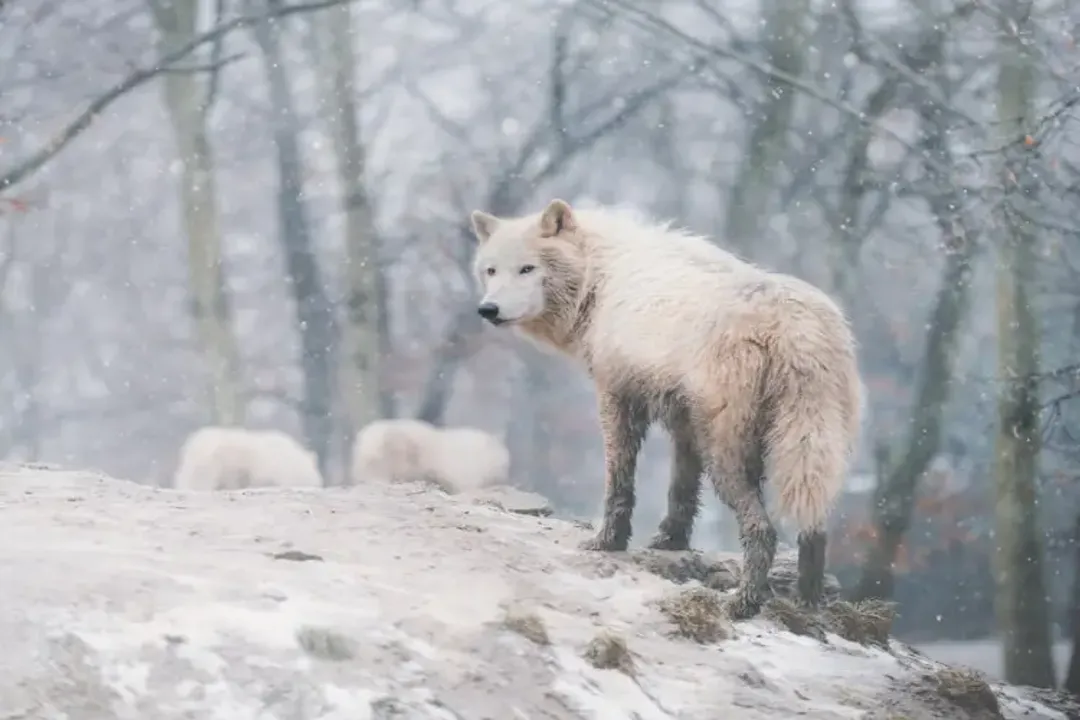
The diet of the Arctic wolf (Canis lupus arctos), a subspecies of the grey wolf, places it firmly in one specific trophic category. When examining its teeth, digestive system, and feeding habits across the vast, unforgiving tundra, the classification is clear: the Arctic wolf is an obligate carnivore. [4][9] Unlike omnivores, which readily consume both plants and animals, or herbivores, which sustain themselves primarily on vegetation, the Arctic wolf's biological design is centered entirely around the capture, consumption, and digestion of meat. [9]
This specialization is not a choice but a necessity dictated by the extreme environment they inhabit, where true plant resources are scarce for much of the year. [8] While other animals might adapt to browse on the meager lichen or berries that occasionally appear during the brief summer melt, the energy density and nutritional requirements of a large, active predator like the Arctic wolf demand a protein and fat-rich diet that only animal prey can reliably provide. [9]
# Dietary Classification
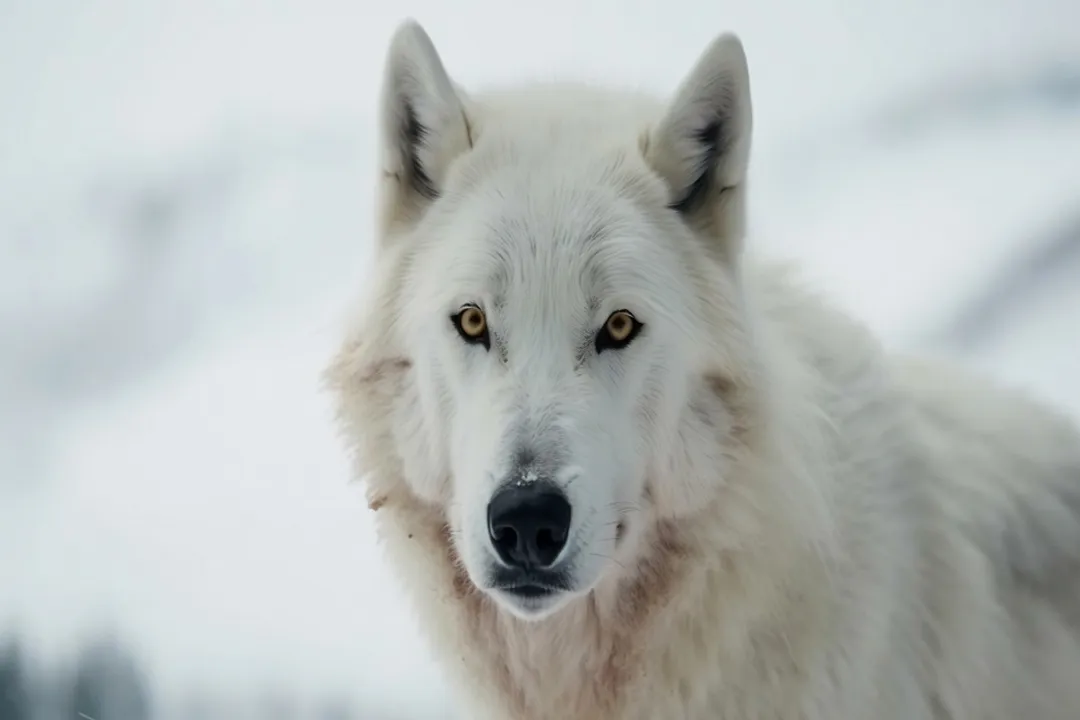
The scientific community universally recognizes wolves as belonging to the order Carnivora, and within that, they function as hypercarnivores, meaning their diet is composed of 70% or more meat by mass. [9] This places them at a high level in the Arctic food web, often near the apex. [6]
Their physical attributes strongly support this carnivorous lifestyle. Arctic wolves possess long muzzles housing powerful jaws capable of exerting immense pressure, necessary for crushing bone and tearing through tough hides. [4] Their teeth are sharp and specialized; the prominent canines are used for grasping and killing, while the carnassial teeth act like shears to slice through muscle and tendon. [9] Plant matter would simply pass through their digestive system largely undigested, offering insufficient calories to sustain their large bodies and high energy expenditure, particularly in sub-zero temperatures. [9]
In comparison, an herbivore like a muskox, their primary prey, has a multi-chambered stomach adapted to ferment and break down cellulose found in grasses and sedges. [4] An omnivore, such as a bear, possesses teeth that are flatter and more generalized for crushing both fibrous material and meat. The Arctic wolf’s anatomy is lean, mean, and perfectly tuned for predation. [9]
# Core Prey Species
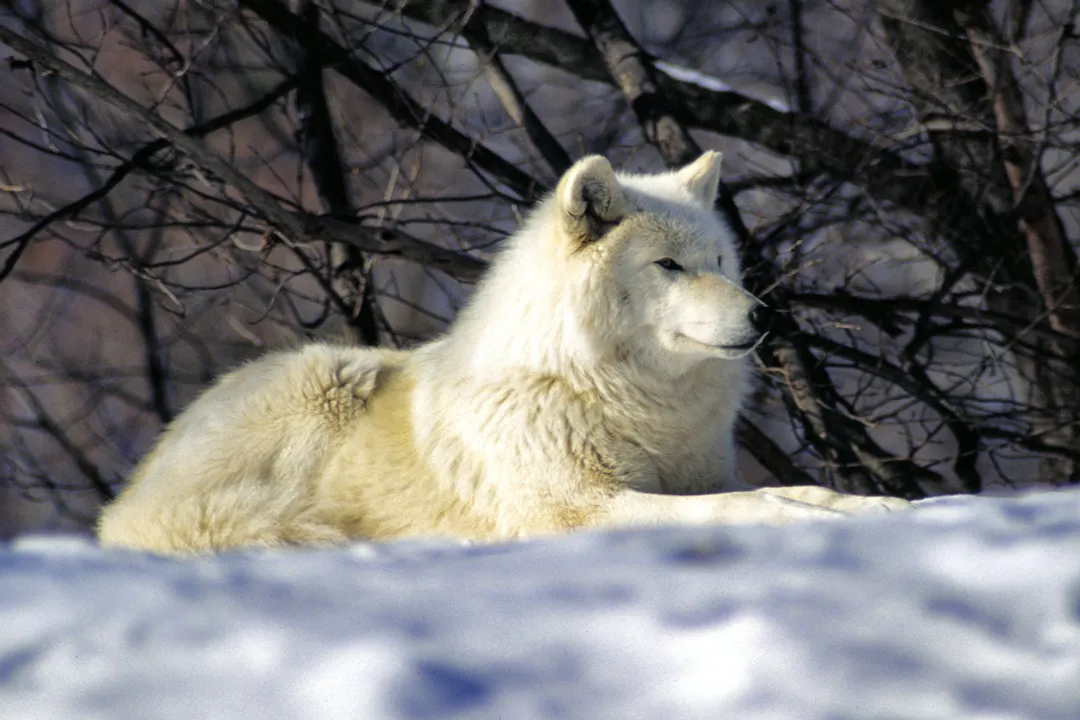
The menu for an Arctic wolf is dictated by what survives—and what they can successfully overpower—in the desolate, snow-covered landscapes of the High Arctic. [2][8] Their existence is a constant pursuit of high-calorie meals that can sustain them through long periods between successful hunts. [1]
Their primary targets are the large herbivores that have themselves adapted to graze on the sparse vegetation. [1]
- Muskoxen (Ovibos moschatus): These are often considered the cornerstone of the Arctic wolf’s diet where they overlap. [1][8] A successful hunt of a muskox can yield enough sustenance to last a pack for many days, though taking down an adult is a massive undertaking requiring significant pack coordination. [8]
- Arctic Hares (Lepus arcticus): These smaller mammals are a more manageable, frequent target when larger prey is scarce. [5][8]
- Lemmings and Voles: During the short summer or when populations are high, these smaller rodents become an important part of the diet, especially for pups. [1][5]
- Caribou/Reindeer: Depending on the specific territory, migratory caribou can be crucial prey sources, although their movements can sometimes pull the wolves into less traditional ranges. [8]
It is worth noting that the success of a pack often hinges on its ability to track and ambush muskoxen. Because of the sheer size difference, a single wolf rarely attempts to take down a healthy adult muskox alone; this highlights the necessity of their social structure for securing high-value calories. [8]
# Hunting Tactics
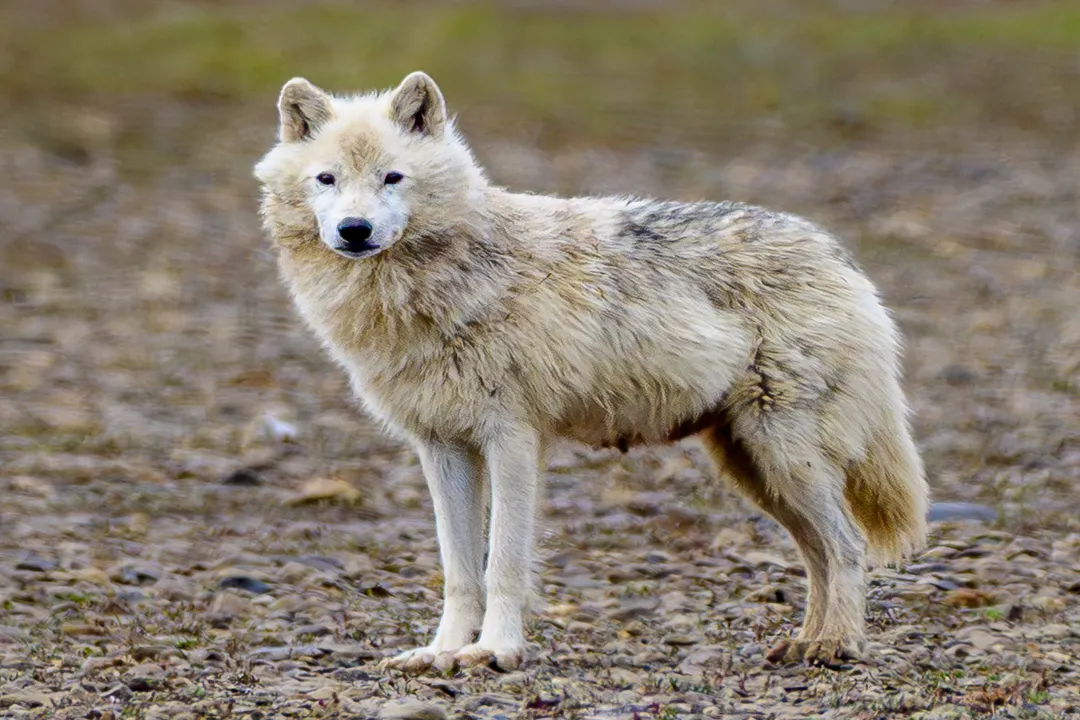
The Arctic wolf’s success as a carnivore is inextricably linked to its social structure. Hunting in a pack allows these animals to target prey far too large or dangerous for a lone individual to confront. [9] They are known to engage in long pursuits, patiently wearing down their targets over distances that would exhaust lesser predators. [1]
Wolves use complex communication and coordinated maneuvers during a hunt, often cycling individuals through the chase to maintain the energy of the primary pursuers. [9] This calculated approach is a key difference between the Arctic wolf and solitary hunters in warmer climes; survival here is a collective effort against a challenging environment. [8]
The kill itself is precise, often focusing on the weakest, oldest, or youngest members of the herd, which reduces the risk of injury to the hunting wolves—a critical consideration in an environment where a broken leg can mean certain starvation. [9]
# Ecological Niche and Energetics
The Arctic wolf occupies a specific and vital ecological niche within the tundra biome. [6] As a tertiary consumer, it helps regulate herbivore populations, which, in turn, affects the health and composition of the low-growing vegetation. [6]
Consider the immense caloric demand placed on a predator existing where ambient temperatures frequently drop far below freezing. A wolf expends massive energy simply maintaining its core body temperature. [1] This necessity explains their highly carnivorous nature. They are built to exploit the periodic abundance of meat from large mammals.
Here is an observation regarding their energetic strategy: While wolves can consume large amounts of meat in one sitting—sometimes eating up to 20 pounds at a time—their true adaptation is the ability to survive extreme fasting periods. [9] A successful muskox kill can effectively become an energy bank, allowing the pack to go without food for days or even weeks while they digest the high-fat meal and conserve energy until the next opportunity arises. This "feast or famine" cycle is characteristic of apex predators in food-scarce environments, a strategy wholly incompatible with an herbivorous or even a standard omnivorous diet that requires daily foraging. [6]

# Scavenging and Opportunism
While their primary designation is carnivore, it is important to examine the full spectrum of what they might ingest. In the Arctic, resources are so limited that wastefulness is not an option for survival.
Arctic wolves will readily scavenge kills made by other predators, provided they can safely drive off the original claimant, or if the kill has been abandoned. [9] They will also consume the carcasses of animals that have died from natural causes, such as starvation or injury, which is still a form of consuming animal matter.
However, there is a key distinction to make regarding plant matter. While a wolf might ingest trace amounts of plant material—perhaps stuck in the stomach contents of its prey or incidentally consumed while tearing at a carcass—this consumption is neither intentional nor nutritionally significant. [4] The wolf does not seek out plants to fill gaps in its diet; its entire system is geared toward meat. [9]
The second unique aspect of their consumption pattern revolves around seasonality. During the brief Arctic summer, when prey animals might be scattered or when small rodents are highly active, the caloric intake shifts to smaller, easier targets. [1] A sharp increase in lemming populations, for example, allows the wolves to subsist on far smaller meals for weeks, reducing the immediate pressure to hunt large, difficult prey like muskoxen. This dietary flexibility within the carnivorous spectrum—shifting from large ungulate meat to small mammal meat—is a survival trait, not a move toward omnivory. The fundamental reliance on animal protein remains absolute. [6]
# Wolf Subspecies Comparison
It is useful to briefly contrast the Arctic wolf's diet with that of its more temperate cousins, such as the Northwestern wolf or the Eastern wolf, to underscore the specialization. Temperate wolves have a much broader prey base available year-round, including deer, elk, and moose, and may opportunistically consume fruits or insects more frequently than their High Arctic counterparts. [8]
The Arctic subspecies lives further north, often above the tree line, where the availability of prey is severely restricted to species that can withstand the extreme cold and long dark winters. [2][8] This isolation and resource scarcity have, perhaps, sharpened their focus on the few available large animals, making them highly efficient hunters of those specific species. Their reliance on the predictable migration or habitat of muskoxen illustrates a profound co-evolutionary relationship shaped by the pure carnivorous imperative. [1]
The clear, unambiguous answer, supported by biology, behavior, and environmental pressure, is that the Arctic wolf is an exclusive carnivore.
Related Questions
#Citations
Arctic Wolf | Bearizona
Arctic Wolves: Diet, Habitat, Threats & Other Facts | IFAW
Arctic Wolf - Animals - Toronto Zoo
Is the Arctic wolf a carnivore, herbivore or omnivore?
Arctic Wolf | The Animal Kingdom Wiki - Fandom
Ecological Niche - Endangered Species: Arctic Wolf - WordPress.com
Ecosystem Food Web - The Arctic Wolf
Arctic wolf - Wikipedia
Hungry as a Wolf: What Wolves Eat