Is a beetle a carnivore or herbivore?
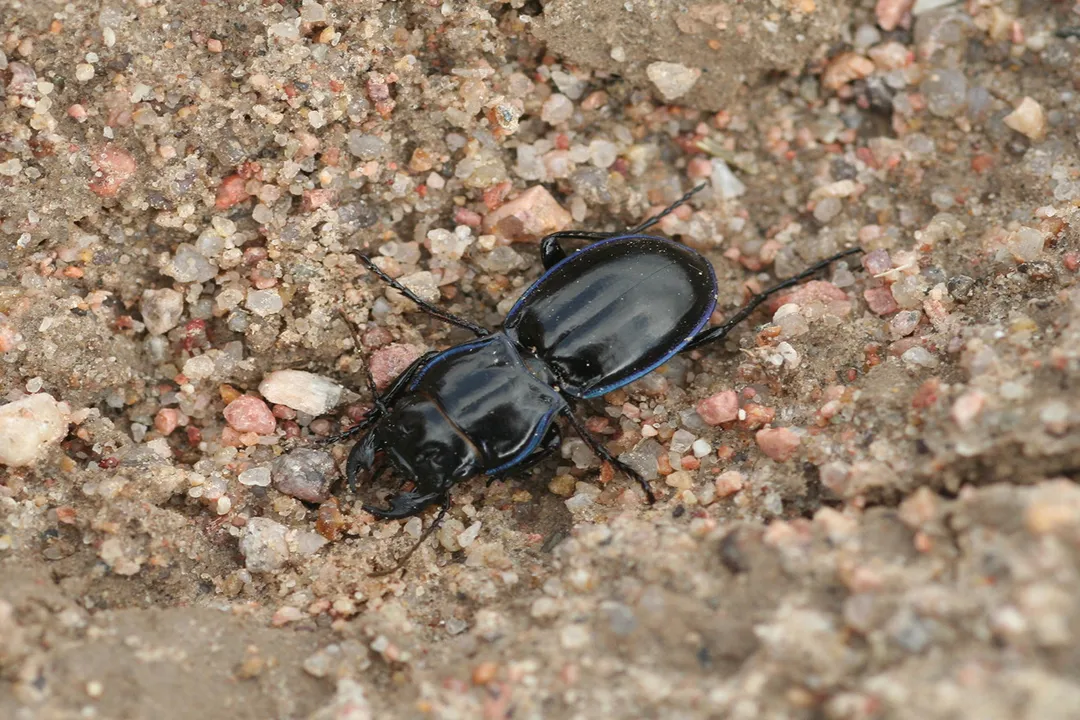
The sheer variety within the insect world is staggering, and when focusing on the order Coleoptera—the beetles—one finds that placing them neatly into the categories of carnivore or herbivore is like trying to fit a million different keys into a single lock. The reality is far more intricate: beetles are dietarily diverse, occupying nearly every trophic level available to an invertebrate, from being strict plant-eaters to specialized predators and consumers of decay. Therefore, the simple answer is that a beetle can be a carnivore, an herbivore, or an omnivore, depending entirely on the specific species we are observing.
# Trophic Spectrum
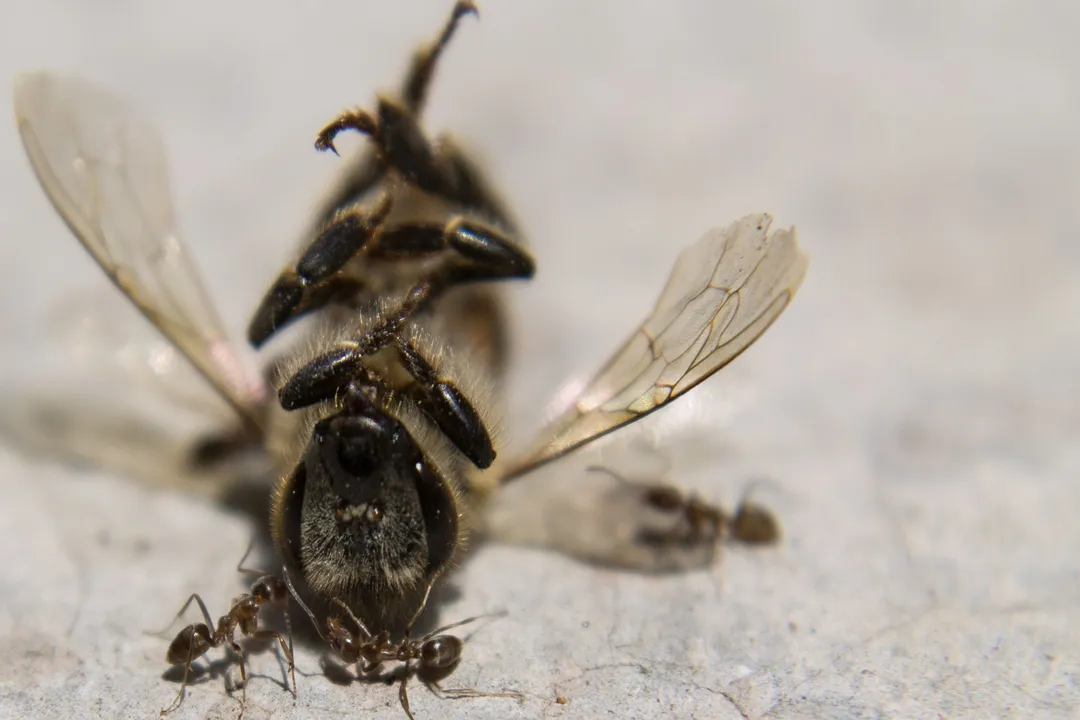
The immense diversity across the 400,000 known species of beetles reflects an expansive evolutionary history that has allowed them to exploit countless food niches over at least 270 million years. Rather than a single diet, the general feeding strategy encompasses plant matter, animal proteins, fungi, and even waste products like feces. While many people might assume a generalized diet for an entire order, many beetle species exhibit extremely selective dietary limitations.
For instance, the digestive system of beetles is often adapted for a herbivorous diet, with digestion typically occurring in the anterior midgut, though predatory groups like the ground beetles show most digestion happening in the crop. This points to the deep evolutionary roots of plant-feeding within the lineage.
# Plant Eaters

A significant portion of the beetle population is dedicated to consuming plant life, often classifying them as herbivores in both their adult and larval stages. This phytophagous lifestyle manifests in diverse ways:
- Foliage and Fruit: Many species, including certain leaf beetles, longhorn beetles, and weevils, are highly specialized, sometimes feeding exclusively on just one plant species. Tortoise beetles, for example, consume common weeds such as thistle, horse nettle, and bindweed, though they can also damage crops like tomato and sweet potato.
- Wood Structure: Some families are dedicated wood-eaters, known as xylophagous insects. Wood-boring species, such as powder post beetles and longhorn beetles, feed on the cellulose in structural wood, which can cause significant—though usually solitary—damage to furniture, timbers, and living trees. Even the earliest known beetle fossils from the Permian period are thought to have been wood-eaters.
- Seeds and Nectar: Other plant-feeding habits involve consuming seeds or drawing sustenance from nectar. The larvae of the thistle-head weevil Rhinocyllus conicus specialize in consuming the developing seeds within musk thistle flower buds.
- Algae: Within the small suborder Myxophaga, species are often noted as being algae-feeders.
When surveying a garden, noticing the sheer number of plant-eating beetles—like the destructive Colorado potato beetle on nightshades or the weevils on cotton—makes it clear that the herbivorous category is enormous.

# Predatory Roles
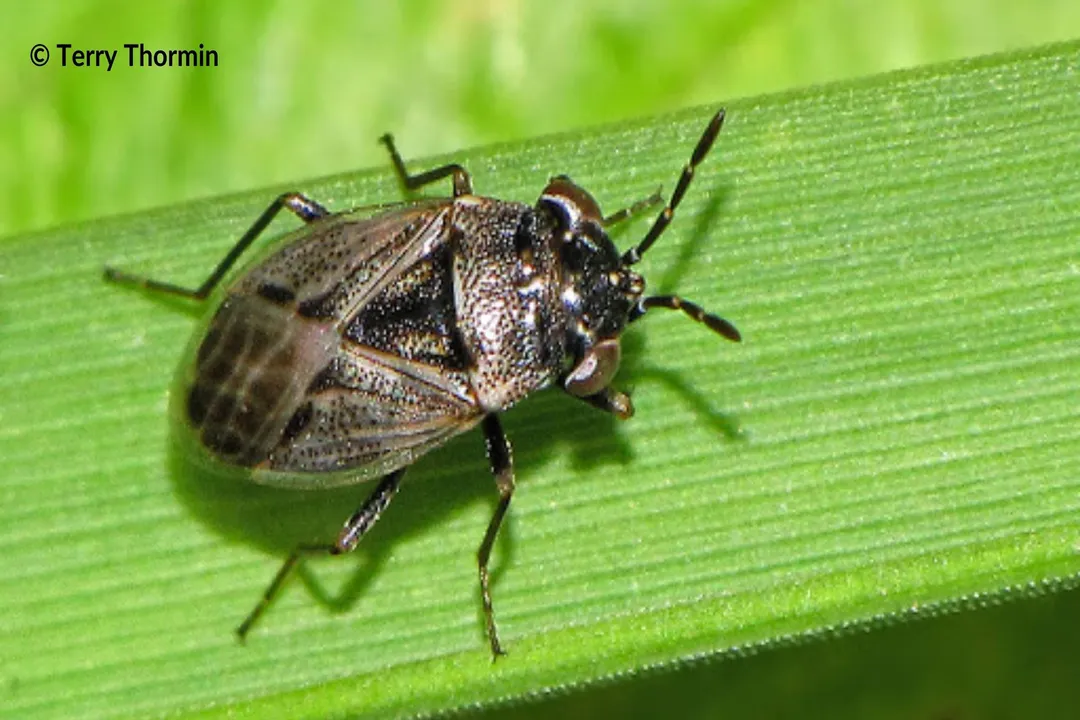
While plants feed many, a substantial number of beetles have evolved powerful adaptations for capturing and consuming other animals, making them carnivores. This predatory guild includes some of the most recognizable beneficial insects in agriculture and gardening.
- Ground Hunters: Ground beetles (Carabidae) are perhaps the most well-known terrestrial predators among beetles. Both their adults and larvae are keen hunters, consuming many soft-bodied creatures, including caterpillars, root maggots, small worms, and snails. Their powerful, often enlarged mandibles are used for grasping prey.
- Swift Attackers: Tiger beetles (Cicindelidae) are famous for their speed and daytime hunting. They use their swift movements to chase down prey, securing it with sharp, sickle-like mandibles. Their larvae are equally predatory, digging vertical burrows in the soil and waiting for prey to stumble in.
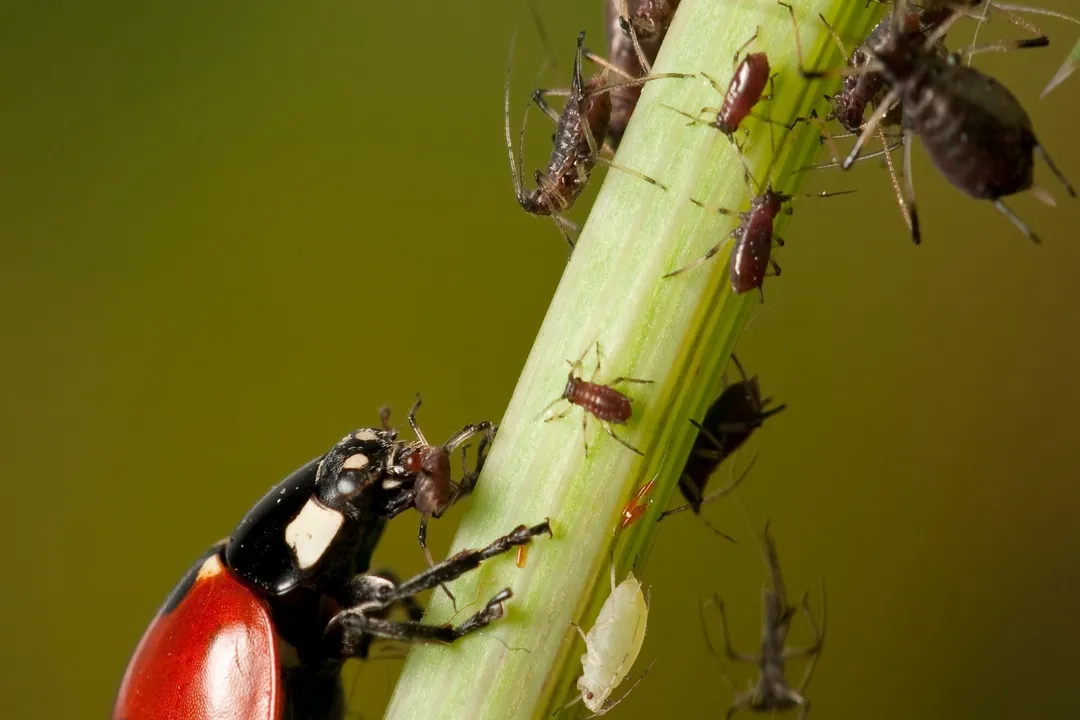
- Aphid Control: Lady beetles (or ladybugs, Coccinellidae) are celebrated for their appetite for pests. Both the adult and larval stages of many lady beetles feed voraciously on aphids, scale insects, and thrips. If primary food sources are lean, they may supplement their diet with small caterpillars or even nectar.
- Specialized Predation: Predation exists across different environments. Aquatic species like the predaceous diving beetle (Dytiscidae) hunt other water bugs, small amphibians, and even small snakes, using sharp jaws that can secrete digestive chemicals. Furthermore, some members of families known for scavenging, like the carrion beetles (Silphidae) and clown beetles (Histeridae), are actually predators that target the larvae of other insects feeding on the carcass or dung.
# Decay and Waste Consumers
A third massive group falls into the category of detritivores, meaning they feed on dead or decaying organic matter, which includes both plant and animal material. Their role is vital for nutrient cycling and decomposition within any healthy ecosystem.
- Scavengers: Necrophagous species, such as carrion beetles, feed on dead animals. Hide beetles are noted for scavenging carrion and burying their eggs within the decaying flesh to feed their larvae.
- Dung Feeders: Coprophagous beetles, primarily certain scarab beetles, consume animal feces. Dung beetles use their strong sense of smell to locate fresh dung, sometimes rolling it away or burying it, where the females lay eggs to provision their larvae. This activity saves the cattle industry significant money annually in the United States by recycling waste and improving soil health.
- Fungi and Household Items: Some species are fungivores, consuming mold and fungi, often found in damp areas. Others, like carpet beetle larvae, feed on non-living organic materials around human dwellings, such as wool fibers from carpets, linens, and clothing.
# Life Stage Diet Shifts
One often overlooked element when classifying a beetle's diet is the difference between the larva and the adult. While many groups maintain a consistent diet across life stages, it is common for the larval stage to be the primary feeder, and sometimes their tastes diverge significantly from the adults.
For example, the blister beetle family (Meloidae) exemplifies this shift: the larvae are considered beneficial because they often consume grasshopper eggs, whereas the adults are known for feeding on plant petals. Another compelling instance is the saltcedar leaf beetle (Diorhabda elongata), introduced for biological control: both adults and larvae feed on saltcedar vegetation. In contrast, while many ground beetles are predators as adults, their larvae share that same carnivorous habit.
It is incredibly useful to observe where an immature beetle is found to deduce its feeding type. If you find a larva boring deep into old timber, you can be highly confident you are looking at a wood-destroying herbivore, regardless of what the adult form might eat to sustain itself for reproduction. Conversely, finding a larva actively preying on aphids on a leaf suggests a carnivorous lineage, even if the adult beetle lands on a flower to drink nectar later in the day. If you are trying to manage pests in your own yard, distinguishing a beneficial predator like a ground beetle from a destructive herbivore like a weevil often comes down to correctly identifying what the developing young are eating, as the larval stage is typically the most voracious feeder in the life cycle.
# Special Cases and Symbiosis
Beyond the basic categories, some beetles engage in complex symbiotic relationships that define their nutrition. The ambrosia beetle, for instance, cannot digest wood directly due to toxins but partners with specific fungi. The beetle excavates tunnels in dead trees and cultivates these fungal gardens, which digest the wood and concentrate nutrients for the beetle larvae—a true mutualistic dining arrangement.
In summary, no single answer applies to the entire Order Coleoptera. If you encounter a beetle, remember that you are dealing with one of the most evolutionarily successful groups on the planet, and its classification as a carnivore, herbivore, or something in between depends on millions of years of specific adaptation to the resources immediately available to it.
Related Questions
#Citations
Beetle - Wikipedia
are bugs considered omnivores? herbivroes? or carnivores? - Reddit
Beneficial Insects: Beetles - Utah State University Extension
Is Your Beetle a Pet or a Pest? What Does It Eat and How to Identify It?
What Does a Beetle Eat? | EcoGuard Pest Management