Where have *Triops* been documented to resurface after heavy rains following long periods of desiccation?
Answer
Deserts of Fort Hancock, Texas
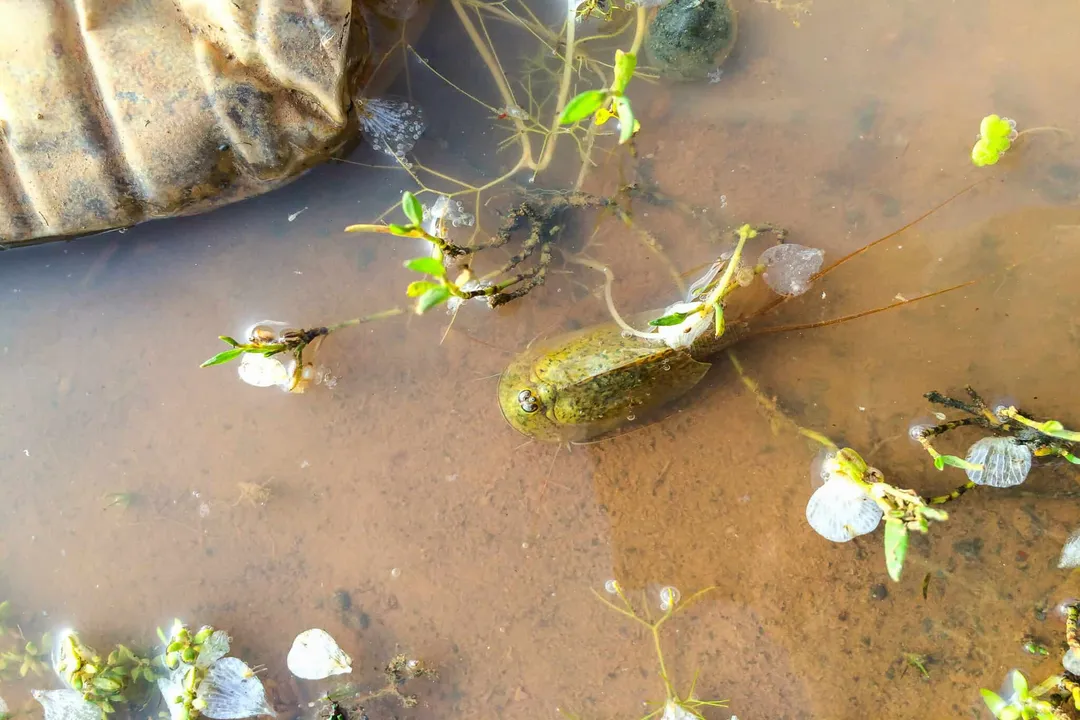
The phenomenon of *Triops* 'resurrection' provides dramatic evidence of their cyst stage's remarkable endurance in arid regions. In specific locales characterized by intermittent rainfall, these creatures can seemingly vanish for years or decades only to reappear suddenly when conditions permit. The text points to the deserts of Fort Hancock, Texas, as a documented area where heavy rains following extended dry spells have successfully activated dormant cysts, leading to the reappearance of these ancient crustaceans. This real-world observation confirms their programming to wait out catastrophic environmental shifts, sometimes for nearly three decades.
Related Questions
What is the maximum reported duration for which *Triops* eggs can remain viable in dormancy?How long does the active, swimming lifespan of an adult *Triops* typically last in its natural, ephemeral habitat?What observation time was recorded for *Triops australiensis* individuals in controlled environments?What is the specialized form of suspended development that *Triops* cysts enter to survive dehydration and cold?Which specific geological event did the *Triops* crustaceans survive, remaining largely unchanged?What characteristic of the water environment dictates the entire life cycle strategy of the *Triops*?What critical prerequisite must environmental triggers meet to initiate the hatching of *Triops* cysts?Where have *Triops* been documented to resurface after heavy rains following long periods of desiccation?What potential duration can the active life of a *Triops* be extended to when managed under optimal captive care?In terms of long-term success for hobbyists, what activity with *Triops* cysts is prioritized over forcing extreme active lifespan extension?