How long does Asian arowana live?
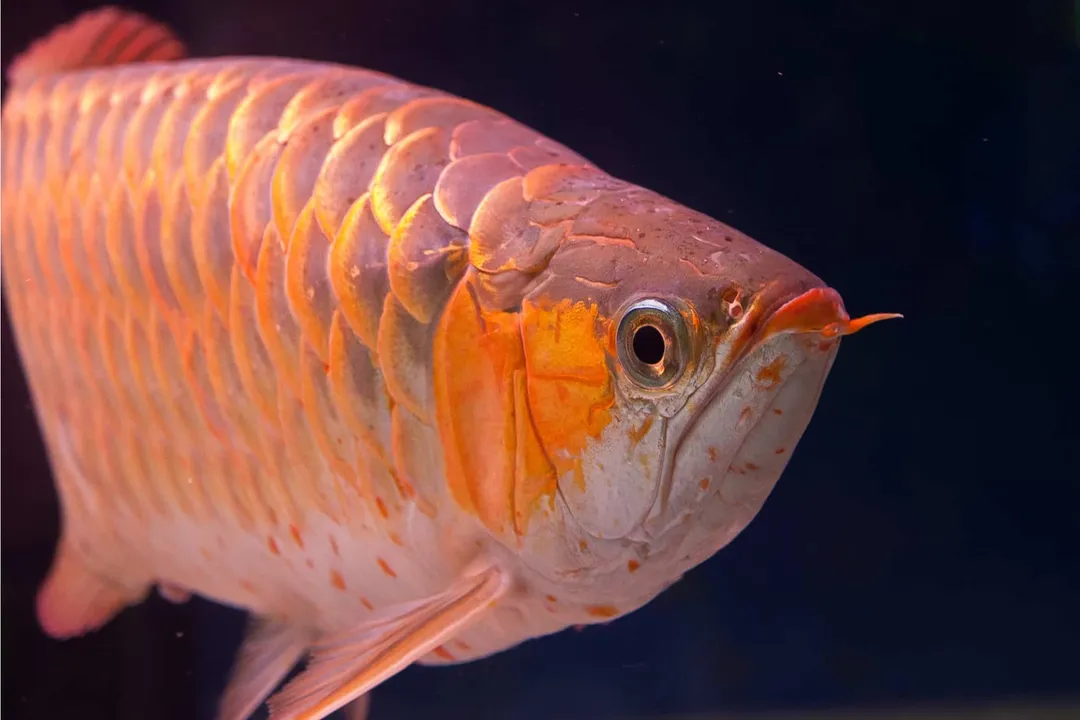
The Asian Arowana, often called the Dragon Fish due to its distinctive, armor-plated scales and upward-facing mouth, carries a reputation that extends far beyond its striking appearance; it is a fish known for its incredible potential longevity in captivity. [2][5] While many common aquarium fish measure their lives in just a few years, an Arowana kept under optimal conditions can easily surpass two decades, making its ownership a truly long-term commitment. [2][9] This extended lifespan is one of the primary factors contributing to their high value and revered status among dedicated aquarists. [7]
# Aquarium Ages
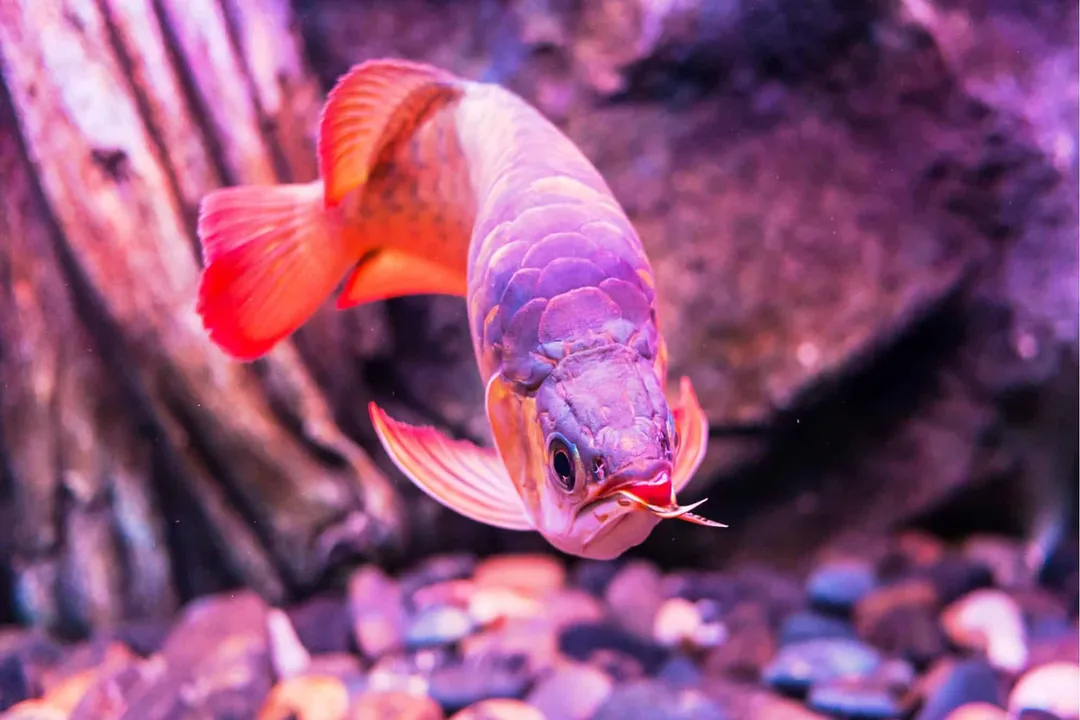
In the home aquarium setting, the expected lifespan for a well-cared-for Asian Arowana generally falls within the range of 10 to 20 years. [2][8] However, this is often cited as a conservative baseline, as dedicated keepers report their fish surviving well past the two-decade mark. [1][9] Certain conditions and genetic luck can push this figure even further, with anecdotal reports suggesting lifespans reaching 30 years or more. [1][9] The ability of this species to thrive for so long under human care is quite remarkable, especially when considering the often-challenging requirements needed to meet their needs as they mature. [5]
When compared to other popular, long-lived freshwater aquarium fish, such as large Cichlids or certain Plecos, the Arowana sits near the top tier of longevity. For instance, while many large South American cichlids might hit 15 years, the Arowana consistently shows potential to enter its third decade of life. [1] This duration necessitates a level of planning rarely required for typical pets; acquiring an Arowana is not a short-term hobby decision but one that spans potentially thirty years, meaning the fish could easily outlive the initial owner’s desire for the hobby or even the owner themselves. [1][9]
# Wild Time
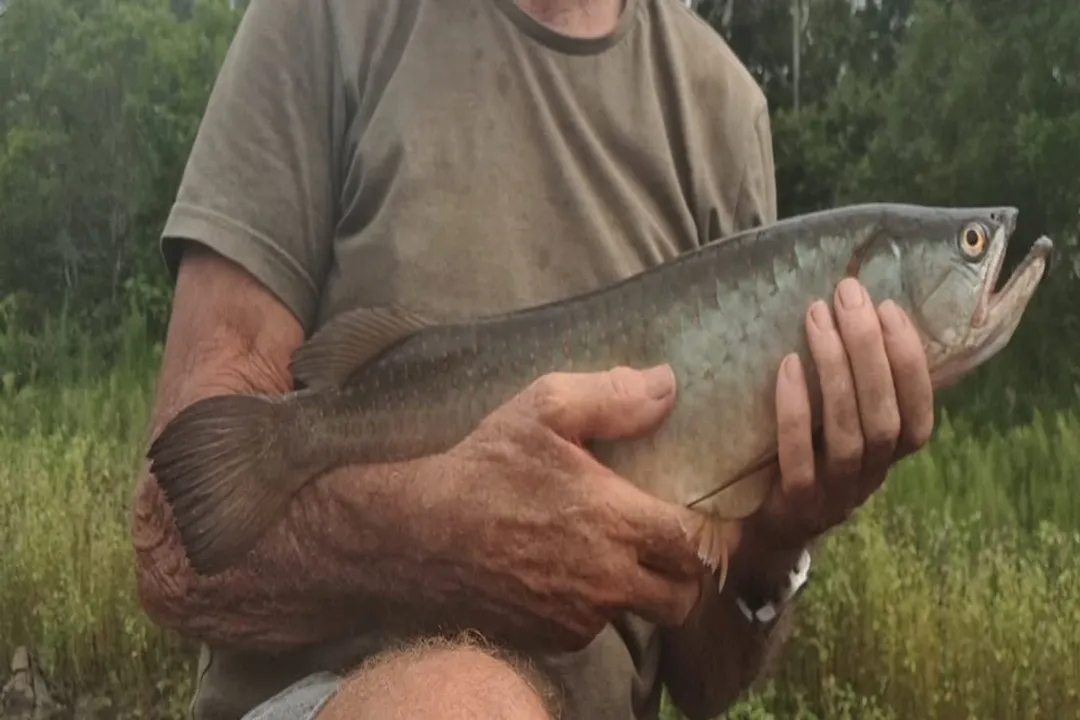
Determining the precise lifespan of an Asian Arowana in its natural habitat is significantly more difficult than tracking captive specimens, primarily due to conservation status and access. [5] The Asian Arowana species is highly vulnerable and listed under CITES Appendix I, severely restricting international trade, which means observing wild populations for their full life cycle is rare. [5] While specific data on wild longevity is scarce, it is generally understood that fish in the wild face numerous challenges—predation, environmental shifts, food scarcity, and disease—that often result in shorter lifespans compared to those in controlled, pristine aquarium environments. [5]
The environments where these fish naturally occur, such as slow-moving rivers and floodplains across Southeast Asia, present constant variables. [5] Therefore, while the genetic potential might be the same as a captive fish, the practical reality of life in the wild likely restricts their existence to shorter durations than what is achievable in a purpose-built tank. [2]

# Care Requirements
Reaching the upper limits of the Arowana's lifespan—those impressive twenty-five or thirty years—is entirely dependent on the owner’s dedication to mimicking their natural environment as closely as possible. [9] This fish grows quite large, often exceeding 3 feet in length, which immediately dictates the need for massive tank setups. [2] A small or inadequately sized tank is perhaps the single fastest way to compromise the fish's long-term health, regardless of feeding or filtration. [1]
Water quality maintenance is non-negotiable for achieving maximum longevity. Asian Arowanas are sensitive to fluctuating parameters. [9] Parameters like pH, temperature, and hardness must be kept stable and within the preferred range for the specific subspecies being kept. [2] Consistent, large-volume water changes are essential; a neglectful schedule leads to the buildup of nitrates and other metabolic wastes that, while not immediately fatal, act as chronic stressors. [9] A fish living for decades under poor water conditions might only survive 10 or 12 years, whereas a counterpart in pristine water could achieve 25. [1] This difference highlights that longevity isn't just about avoiding death but about avoiding chronic decline.
Diet also plays a critical role in long-term vitality. A varied diet is crucial, moving beyond simple reliance on one type of food. [2] While they readily accept prepared pellets as they mature, a routine that includes high-quality whole foods, like feeder fish (when appropriate for size), shrimp, or insects, helps ensure a full spectrum of necessary nutrients over many years. [2][7] Poor nutrition over a decade leads to organ stress, reduced immune response, and ultimately, a shortened life relative to their potential. [9]
# Aged Specimens
Enthusiasts often share stories of their veteran Arowanas, serving as real-world proof of the species' potential. [1][4] These success stories are not just about survival but about maintaining activity and appetite late into life. [4] For example, discussions among keepers frequently mention Arowanas that have been in the same family for over two decades, becoming established, sometimes massive, centerpieces of a specialized aquarium. [1][6]
One interesting observation noted among hobbyists is how environmental changes can affect older fish. A change in tank location, a sudden temperature fluctuation, or the introduction of a new tank mate might stress a young, adaptable Arowana, but the same event can severely destabilize an older fish whose body systems have adapted to a long-standing equilibrium. [4] Managing these transitions becomes far more delicate as the fish approaches its twentieth year. [1]

# Commitment Metric
The lifespan of the Asian Arowana acts as a severe vetting mechanism for potential owners. The fish’s 20+ year potential means that potential keepers must have a concrete plan for its care across decades, a situation unique among many fish species. [7] Consider this: If someone acquires a juvenile Arowana at age 25, that fish could still be thriving when the owner reaches 45 or 50, potentially coinciding with major life shifts like career changes, relocation, or starting a family, all of which complicate the maintenance of a multi-hundred-gallon tank. [1] This inherent, multi-decade commitment requirement is arguably a more significant barrier to ownership than the initial purchase price. [7] True expertise, in this context, is demonstrated less by the initial successful acclimation and more by the sustained, decade-after-decade maintenance required to see the fish realize its full potential age. [5]
# Specialized Care
As the Arowana ages, its needs subtly shift, a factor that must be planned for to ensure continued longevity. While younger fish might tolerate minor imperfections in filtration or diet, the older specimen demands near-perfection. [9] The aging process itself can lead to diminished immune function, making them susceptible to secondary infections if water quality dips even slightly below their established norm. [1]
For instance, ensuring the tank lid is absolutely secure throughout the fish’s entire life is paramount. Arowanas are famous for their powerful jumping ability, and while a young fish might only injure itself on a poorly fitting lid, a very large, older specimen jumping against a solid obstruction risks catastrophic physical damage that it may not recover from due to reduced physiological reserves. [2] This preventative measure, simple in concept, becomes a permanent, critical element of daily husbandry that directly impacts their ability to survive those later years. [9] If an owner successfully manages the complex requirements of massive tank size, pristine water chemistry, and a complete diet for twenty years, the fish has proven that its lifespan is a direct reflection of the keeper’s expertise and dedication to quality long-term care. [5]
#Videos
The Complete Life Cycle of Arowana Fish | The Silent Superman
Related Questions
#Citations
how long do arowana live? | MonsterFishKeepers.com
Asian arowana - The Dallas World Aquarium
The Complete Life Cycle of Arowana Fish | The Silent Superman
So I just saw an arowana for the first time... How can someone ...
Rare Experience with an Asian Arowana | Tropical Fish Hobbyist ...
Arowana Fish Characteristics and Handling Recommendations
Asian Arowana for Aquarium Collectors: Rarity, Value, and Myths
Asian Arowana Fish Facts - Scleropages formosus - A-Z Animals
lifespan of aro... - Arowanaclub Canada