What critical prerequisite must environmental triggers meet to initiate the hatching of *Triops* cysts?
Answer
Specific temperature and moisture levels
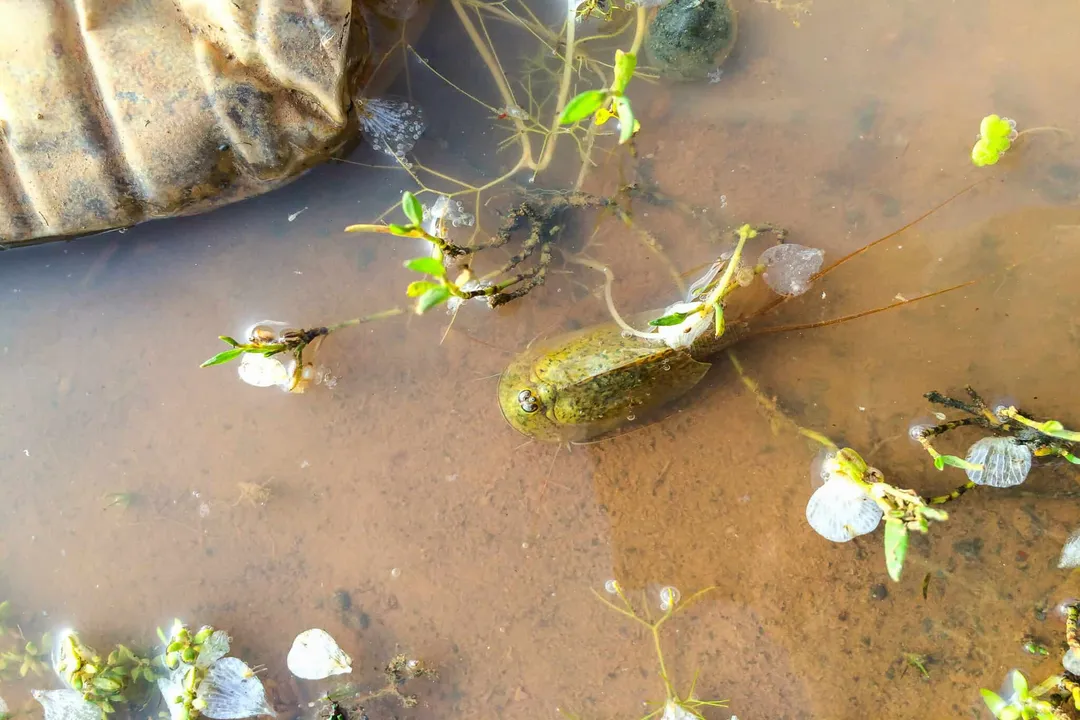
The hatching process for *Triops* cysts is not random; it is governed by highly tuned biological sensors designed to detect precise external cues to ensure survival. The eggs require a specific combination of both temperature and moisture to trigger the transition from diapause back into active development. If the initial rainfall event is too brief or the temperature is inadequate, the eggs will conserve their energy stores and refuse to hatch, waiting instead for the next, more substantial deluge. This selectivity demonstrates a risk-averse programming that prioritizes waiting for conditions guaranteeing pool permanence over hatching prematurely into a doomed environment.
Related Questions
What is the maximum reported duration for which *Triops* eggs can remain viable in dormancy?How long does the active, swimming lifespan of an adult *Triops* typically last in its natural, ephemeral habitat?What observation time was recorded for *Triops australiensis* individuals in controlled environments?What is the specialized form of suspended development that *Triops* cysts enter to survive dehydration and cold?Which specific geological event did the *Triops* crustaceans survive, remaining largely unchanged?What characteristic of the water environment dictates the entire life cycle strategy of the *Triops*?What critical prerequisite must environmental triggers meet to initiate the hatching of *Triops* cysts?Where have *Triops* been documented to resurface after heavy rains following long periods of desiccation?What potential duration can the active life of a *Triops* be extended to when managed under optimal captive care?In terms of long-term success for hobbyists, what activity with *Triops* cysts is prioritized over forcing extreme active lifespan extension?