How big are dinosaur shrimp?
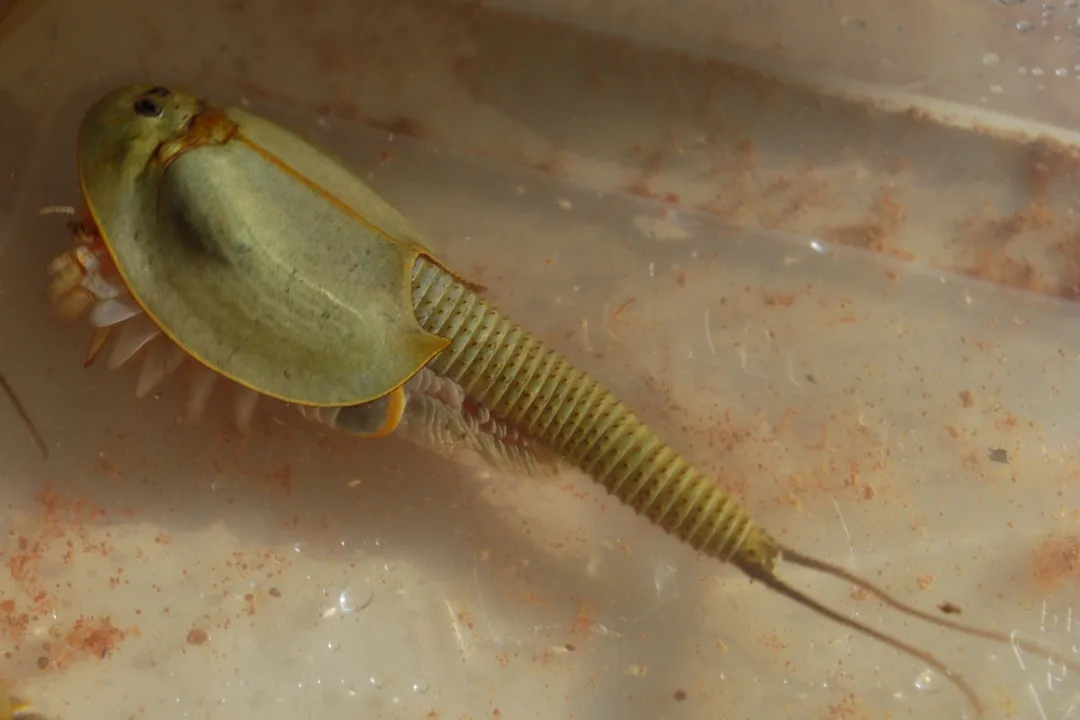
The idea of a "dinosaur shrimp" conjures images of something monstrously large, perhaps lurking in deep ocean trenches, but the reality is much more charmingly miniature. These ancient arthropods, known scientifically as Triops, are living fossils whose history spans hundreds of millions of years, yet their current size rarely makes them seem like rulers of a bygone era. [1] They are freshwater crustaceans belonging to the order Notostraca, often resembling tiny, armored versions of horseshoe crabs rather than the common shrimp we find on dinner plates. [3][1]
# Actual Dimensions
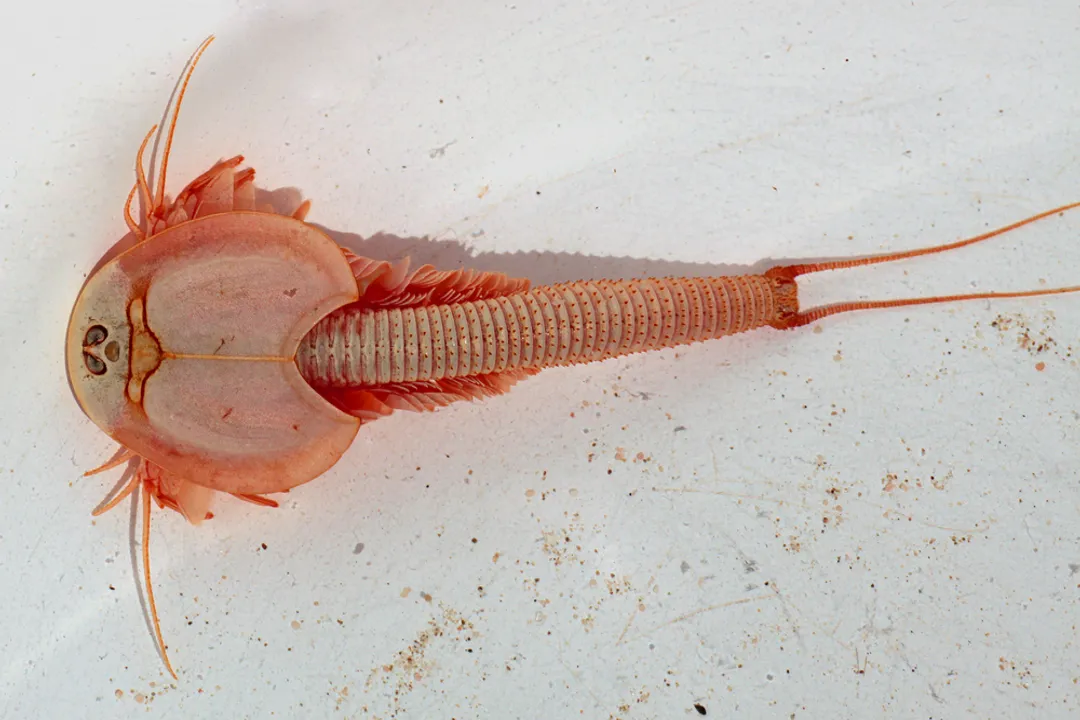
When we address the question of size, it is essential to specify which species we are discussing, though Triops longicaudatus, the American tadpole shrimp, is the most commonly referenced and studied example. [3][1] For this particular species, the common measurements place their adult length somewhere between 1 and 3 inches, which translates roughly to 2.5 to 7.6 centimeters. [1] This range gives enthusiasts a good idea of what to expect when raising them in a home setup, often sold as "aquasaurs". [3][1]
However, precise measurements can vary based on environmental factors and how the measurement is taken. Some sources offer a more detailed breakdown for T. longicaudatus, noting a length between 10 and 40 millimeters (or 1.0 to 1.6 inches) and a breadth of only 3 to 8 millimeters. [4] These smaller figures likely represent the body length excluding the distinct tail structures. When the entire animal is accounted for, including those long filaments on the abdomen, the total body length of T. longicaudatus can stretch up to 75 mm, or 3.0 inches. [3] Anecdotal reports from the wild, such as the hundreds that emerged after heavy rains in Arizona, observed specimens that were only about one and a half inches long.
To put this into a more relatable scale, a three-inch adult Triops is about the length of an average paperclip end-to-end, or perhaps the length of a standard house key from the bow (handle) to the tip of the blade. [3][1] Considering their ancestors walked the Earth before the dinosaurs truly dominated, this compact size is a fascinating example of evolutionary specialization rather than sheer gigantism.
# Species Variation
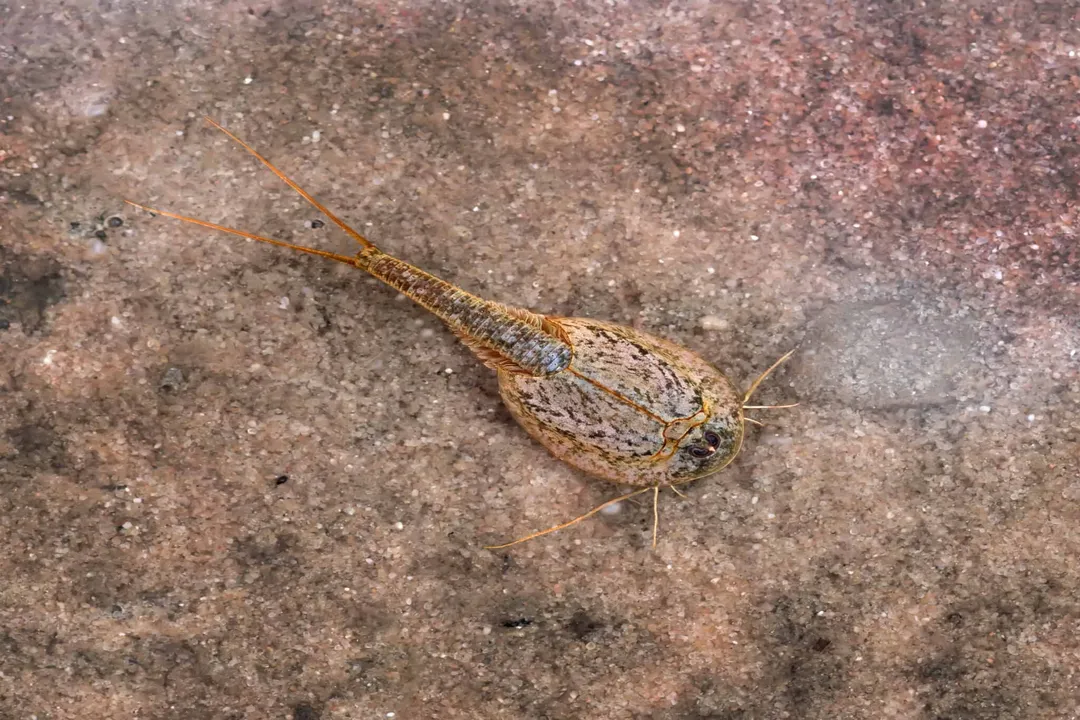
While T. longicaudatus is widely distributed across North America and other regions, [3][1] size differences likely exist between the various genera and species within the Triopsidae family. For instance, Wikipedia notes a visual comparison between T. longicaudatus and Triops cancriformis, though it focuses more on carapace color differences rather than providing definitive size variation data between them. [3]
The environment they emerge into dictates much of their final size. In their natural ephemeral ponds, where food sources might be scarce or the water is poised to dry up quickly, growth might be stunted, resulting in smaller adults that manage to reproduce before doom strikes. [4] Conversely, captive-raised Triops, especially those maintained under ideal conditions with readily available food like vegetable matter, fish flakes, or specialized pellets, might consistently reach the upper end of the 3-inch potential. [3] It is worth noting that their diet is crucial; they graze on algae and detritus, but they are also known to eat small insects, tadpoles, and even their own siblings. [3][1] A well-fed Triops has the resources to build that hard, protective carapace and extend its body to its maximum genetic potential.
# Rapid Growth Phase
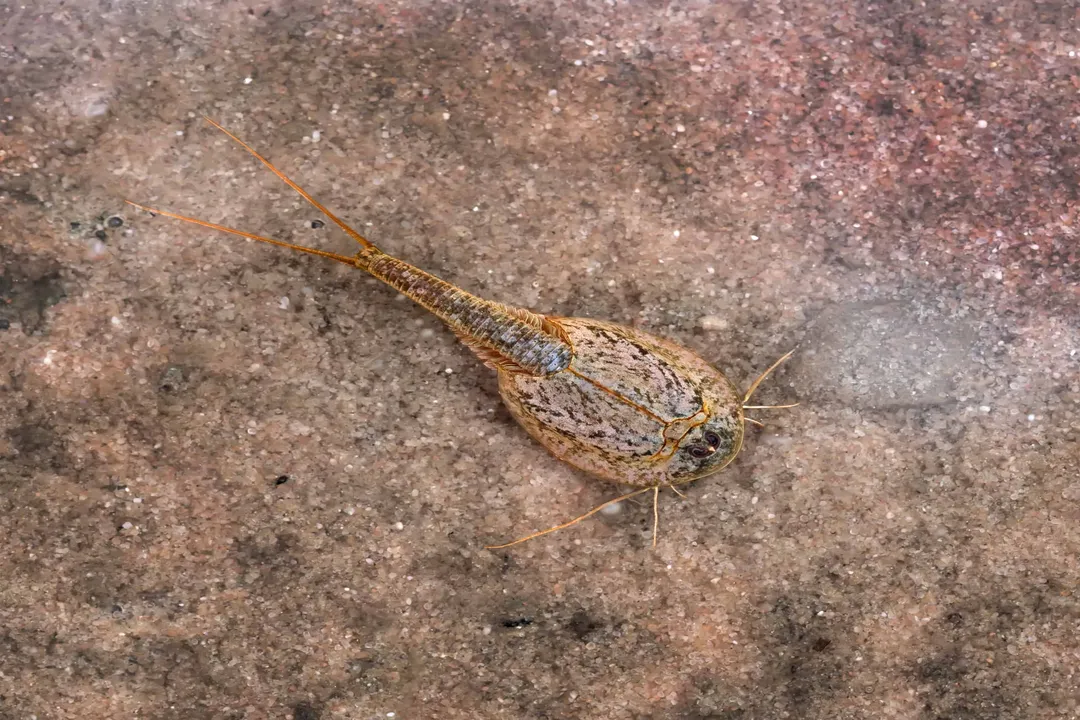
The size question is intrinsically linked to the extreme speed at which these creatures live their lives. They are masters of the ephemeral habitat, thriving only when temporary freshwater pools form after rainfall. [4][3] This time constraint means they must grow quickly to pass on their genes before the water evaporates. [4]
A newly hatched Triops starts as an orange larva called a metanauplius, possessing just a single eye and three pairs of limbs. [4] Within approximately eight days, they can reach maturity and begin laying eggs. [3] This swift transition from microscopic hatchling to egg-laying adult in less than two weeks is an incredible metabolic feat. To achieve that rapid size gain, they must molt frequently, increasing their segments and appendages with each instar. [3] They often live for only about 20 to 90 days in total if the pool doesn't dry up. [3][1] This intense, rapid growth cycle, followed by a potentially very short adult life, suggests that maximizing size quickly is secondary to achieving reproductive maturity quickly. If they spend too long growing to their absolute maximum size, they risk running out of time to lay the stress-resistant eggs that are the key to their species' survival across decades. [4]
# Context in Deep Time
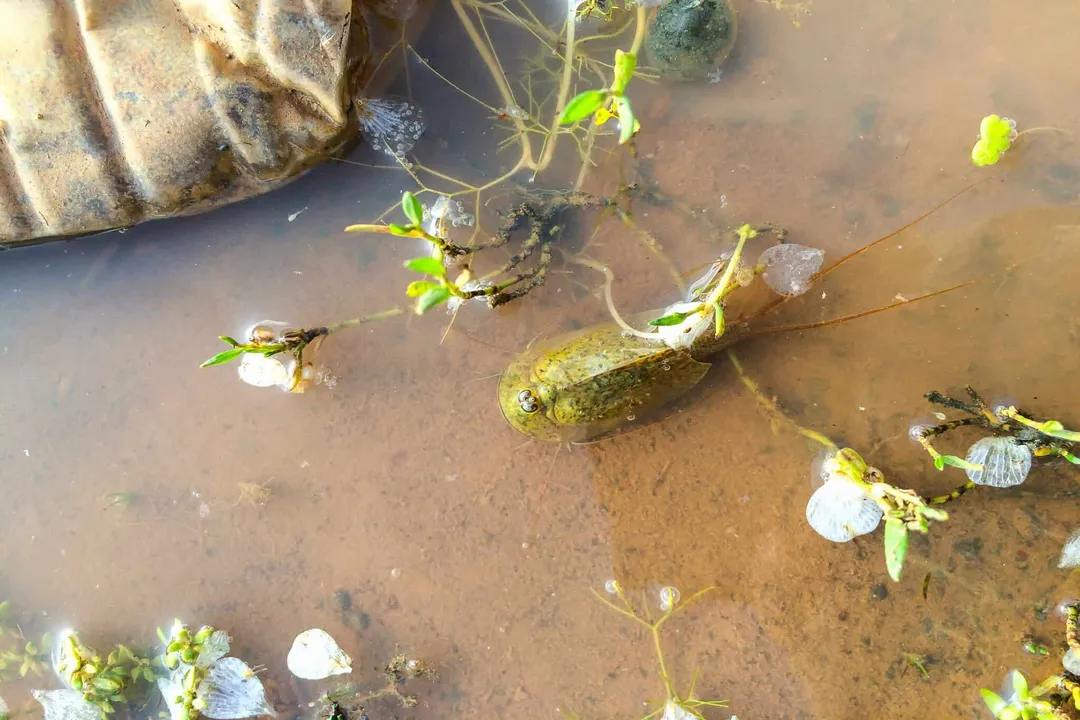
The term "dinosaur shrimp" is a popular moniker, not a strict scientific grouping, but it draws attention to their incredible age. [1] Their ancestors date back perhaps as far as 400 million years to the Devonian period, long before the great reptiles ruled the land. While they are often called "living fossils," the Triops genus itself has evolved over time.
Their small size today, maxing out around 3 inches, contrasts sharply with the gigantic scale often associated with the Mesozoic Era. However, this comparison is perhaps misleading. Just as giant insects existed in the Carboniferous period, the smaller forms like Triops were likely already thriving in temporary aquatic niches millions of years ago. Their current size isn't a reduction from a massive ancestral form; rather, it represents a successful, highly adapted niche where being small allows for greater portability—the eggs are easier to distribute and their larvae require less immediate water volume to develop than a larger creature would. [4] Their survival mechanism is built around minimizing footprint and maximizing long-term survival via the egg, not maximizing body mass. [3]
# Breadth Versus Length
While the length gets the most attention—especially the long tail—the breadth of the creature contributes significantly to its apparent size and protective quality. The main body is protected by a flattened, shield-like carapace. [3][1] Source data shows the breadth averages between 3 to 8 mm for T. longicaudatus. [4] This indicates that the body is relatively flat, which makes sense for an animal that spends its time scraping the bottom sediment of shallow pools. [3][1] If they were bulky, their movement in soft mud might be impeded, or they might struggle to efficiently process sediment for food using their many specialized legs. [3] The carapace acts like a miniature helmet, a durable shell that protects the vulnerable internal organs as they dig and forage. [1]
# Egg Size Comparison
To fully appreciate the scale of the adult Triops, it can be insightful to compare it to the vessel of its own future: the egg. While the adult measures up to 3 inches, the eggs are minuscule, measuring less than 0.5 mm in diameter. [4] This vast difference in scale between the creature and its offspring perfectly encapsulates its life strategy. A 3-inch animal lays eggs small enough to be carried by the wind or stuck to the feet of a bird when the mud dries, ensuring dispersal over huge distances until the next favorable rain event occurs. [4]
Thinking about the logistics of raising these creatures, an enthusiast setting up a small tank should understand that their 3-inch maximum is an important boundary. While they are often kept in relatively small, purpose-built tanks, knowing that they can hit 3 inches total length helps prevent overcrowding, which could lead to stress, cannibalism, or stunted growth in the entire cohort. [3] A 1-gallon tank might seem adequate for a few tiny hatchlings, but once they reach 2-3 inches, they require significantly more space to maintain water quality and exhibit natural behaviors like digging and swimming without constantly bumping into the tank walls. [3]

# Extreme Dormancy and Size Implications
The relationship between the small adult size and the extreme durability of the eggs is fascinating. The eggs possess a structure, an alveolar layer, which allows them to fully dehydrate and wait, potentially for up to 20 years, [3] with some estimates suggesting survival for over 27 years. [4] In contrast, the vibrant, swimming adult lives a comparatively frantic, brief life of mere weeks or months. [1]
This biological division of labor—the tiny, vulnerable, short-lived "worker" stage versus the near-immortal, microscopic "survival" stage—is extremely successful. The constraints of this system dictate the adult size. If the adult Triops were significantly larger—say, 12 inches—the energetic cost of producing the massive volume of desiccation-resistant eggs required for multi-decade survival would likely be unsustainable, especially in unpredictable, temporary environments where resources are fleeting. [4] The current 1 to 3-inch size strikes a perfect evolutionary balance, allowing for enough mass to sustain the complex three-eyed structure and powerful feeding apparatuses, while keeping the energy requirements low enough to allow for rapid maturation and prolific egg-laying when the rains finally arrive. [3][1]
Related Questions
#Citations
Triops longicaudatus
Discover the Incredible 3-Eyed Dinosaur Shrimp That Can ...
Freaky Three-Eyed Dinosaur Shrimp Emerge from Arizona ...
Dinosaur Shrimp Facts & Photos