What widespread chemical application in the Laramie Valley poses a direct bioaccumulation risk to the Wyoming Toad via its food source?
Answer
Pesticides deployed for mosquito control
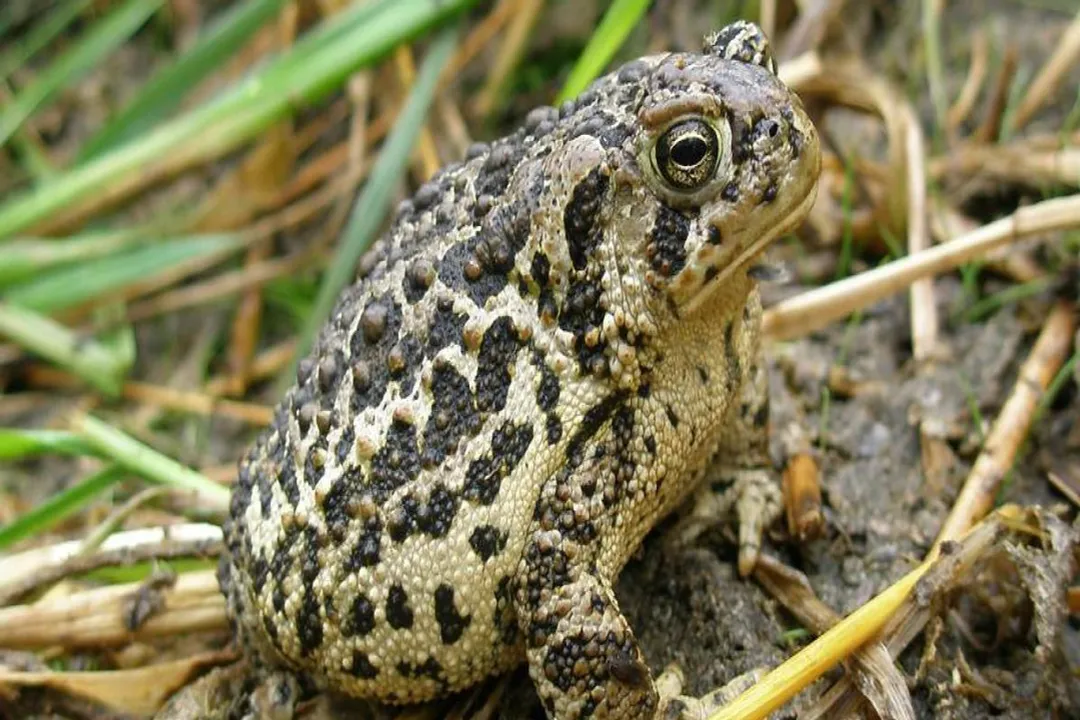
A significant ecological threat facing the Wyoming Toad is linked directly to agricultural and environmental management practices in the Laramie Valley, specifically the use of insecticides intended to control mosquito populations. Because the toads instinctively consume the prey items available to them, if an insect carries insecticide residues from these sprays, the toad ingests the poison directly. This process leads to bioaccumulation, creating a potentially fatal pathway for toxicants to enter the food web without the toad having any direct contact with the sprayed chemical itself.
Related Questions
What constitutes the primary sustenance for the aquatic larval stage of *Anaxyrus baxteri*?How many insects can an adult Wyoming Toad consume over a single night's foraging, according to consumption rate observations?Which non-visual senses does the Wyoming Toad rely upon to successfully locate its meals in the dark?Which two prey items are identified as staples of the wild diet for the adult Wyoming Toad based on consistent documentation?What widespread chemical application in the Laramie Valley poses a direct bioaccumulation risk to the Wyoming Toad via its food source?What massive weekly input of crickets was noted at one conservation facility maintaining captive Wyoming Toads?What specific vegetation mosaic, created by tools like prescribed fire, is hoped to restore the necessary invertebrate food supply?What biological class forms the firm root of the adult and juvenile Wyoming Toad's carnivorous menu?What is the documented slight difference in average lifespan between female and male Wyoming Toads observed in the wild?Why are soil moisture levels considered an invisible but critical component of the toad's feeding apparatus?