What type of aquatic setting, often found in Chesapeake Bay tributaries, challenges specialized feeders but allows the white catfish to thrive due to its dietary flexibility?
Answer
Areas where salinity can fluctuate
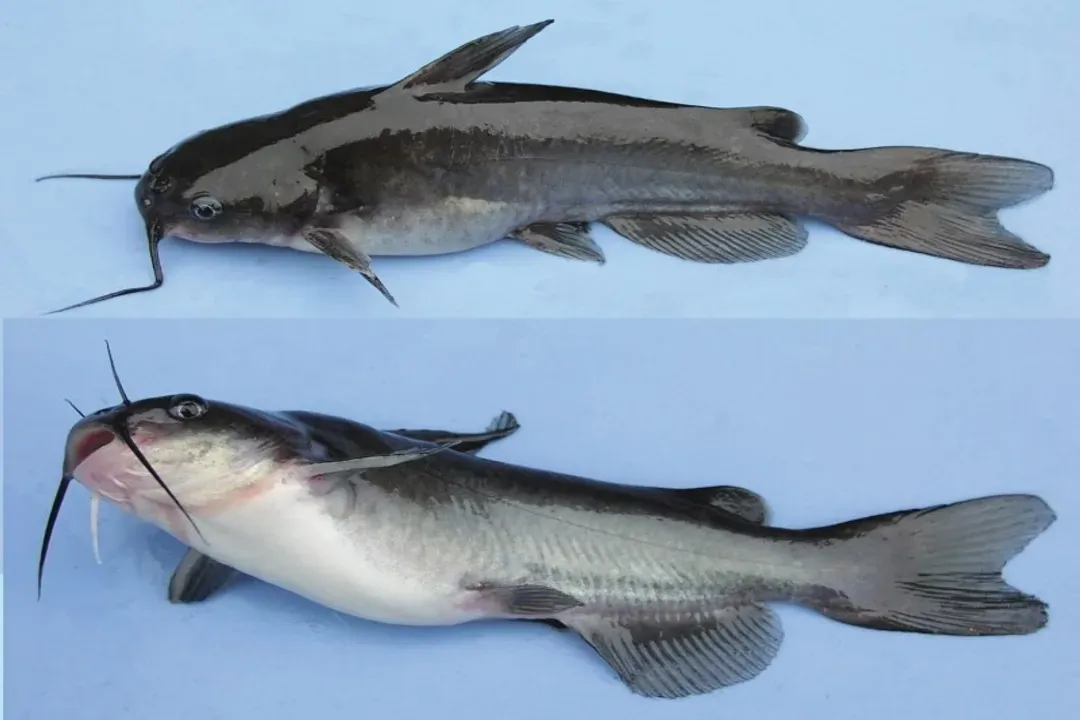
In brackish water environments, such as the tidal rivers associated with the Chesapeake Bay watershed, white catfish demonstrate their adaptability where salinity levels frequently change. These fluctuating salinity ranges create stressful conditions that can easily overwhelm fish species that require highly specific, stable freshwater or saltwater conditions. The white catfish endures because its diet is not tied to species sensitive to salinity shifts; instead, it relies on the adaptable invertebrates and persistent organic matter available even in these variable zones, securing its ecological success there.
Related Questions
What classification firmly describes the feeding habits of the white catfish, Ameiurus catus?What characteristic defines where white catfish locate and consume food in their benthic environment?Which highly developed sensory structures equipped with taste buds do white catfish use to locate food on the substrate?Besides aquatic insects, what specific type of crustacean is frequently cited as a major component of the white catfish diet?What dietary flexibility does consuming plant material offer the white catfish during periods of low invertebrate activity?What specific type of organic matter do white catfish readily consume, serving an ecological function by cleaning the waterway?What type of bait strategy often proves effective for catching white catfish due to their preference for mimicking decaying organic matter or worms?What type of aquatic setting, often found in Chesapeake Bay tributaries, challenges specialized feeders but allows the white catfish to thrive due to its dietary flexibility?Where does the bulk of the caloric intake for the white catfish generally originate from, according to dietary analysis?Which food items do larger adult white catfish typically capitalize on to support their considerable growth, sometimes exceeding 15 inches?