Can Kiko goats tolerate cold weather?

The Kiko goat breed is often touted for its rugged nature, making the question of how they fare when the temperature drops a frequent topic among homesteaders. These goats, originally developed in New Zealand, appear inherently equipped to handle conditions that might challenge other breeds. Owners frequently report that Kikos, even young ones, display a remarkable indifference to cold snaps, provided their basic needs for shelter and nutrition are met. This innate resilience is a major selling point for those raising them for meat or as hardy additions to a mixed herd.
# Kiko Hardiness
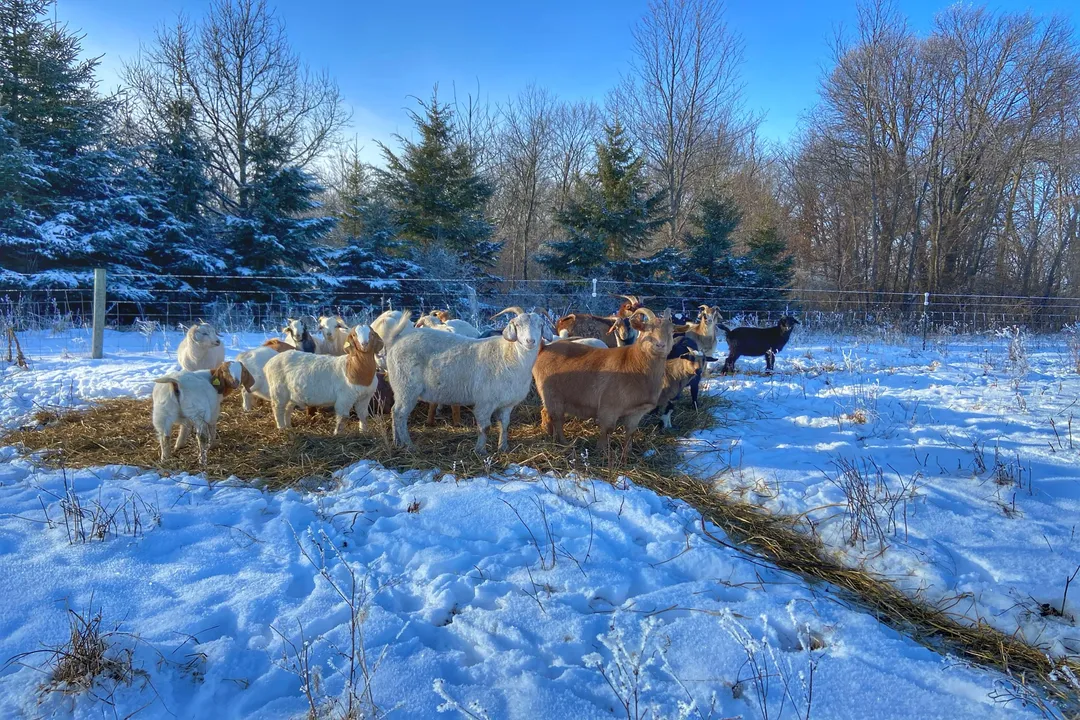
The very origin of the Kiko goat suggests a tolerance for lower temperatures; New Zealand has recorded minimum temperatures as frigid as . Experience from current owners living in challenging northern climates seems to confirm this hardiness. One owner in Michigan reported their Kikos were completely unaffected by nighttime lows of . Similarly, breeders in North Central Idaho, while noting that truly extreme winters are rare, experience regular periods where the temperature drops below , and their Kikos have managed through without apparent distress beyond the normal instinct to seek cover. Kiko goats are noted as being equally hardy when the weather turns excessively hot, further emphasizing their adaptability to varied climates.
# Defining Cold Limits
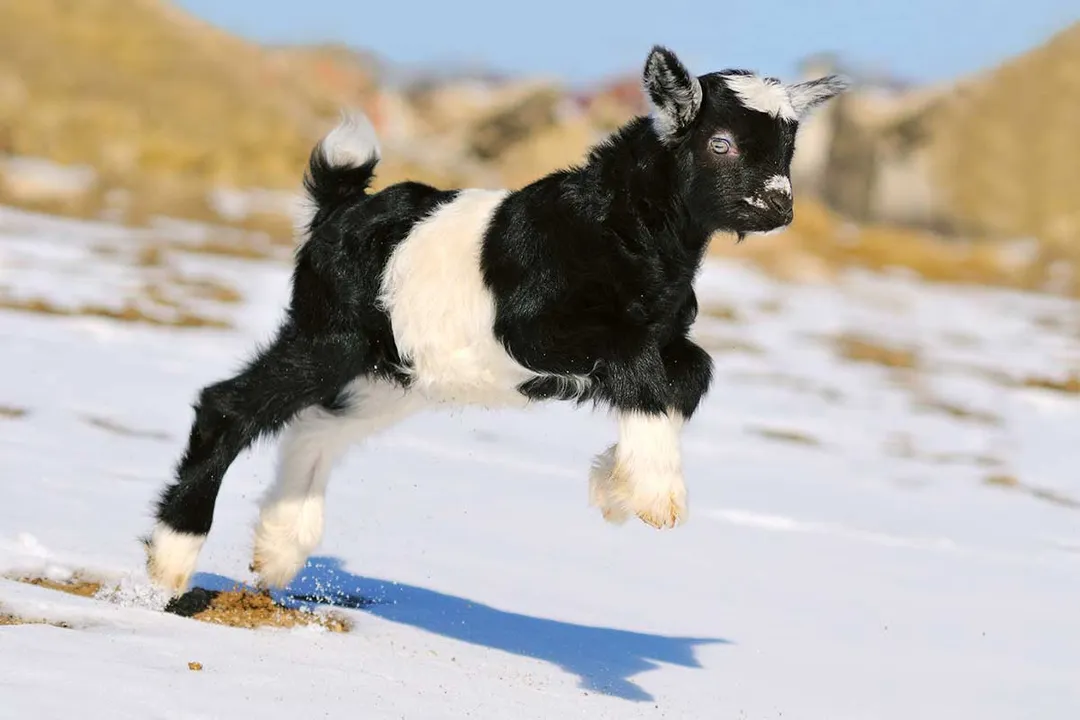
While specific breeds like the Kiko demonstrate impressive tolerance, all goats operate within a physiological range where they must expend extra energy to maintain core body heat. For goats generally, the temperature range where they thrive without needing to burn extra calories—known as the thermal neutral zone—is often cited between and , although some sources narrow this to to . The critical transition point, the lower critical temperature (LCT), where they begin using metabolic energy to stay warm, is around . However, this number is fluid; if a goat is wet, the LCT jumps significantly to . Furthermore, environmental factors like wind or rain significantly lower their functional comfort level, meaning they need protective measures long before the thermometer hits freezing. While some dairy goats have been managed safely in with proper care, instances where goats are comfortable down to are considered rare and require excellent preparation.
# Shelter Basics

The cornerstone of successful winter management for any goat, including the sturdy Kiko, is protection from the elements, specifically wind and wetness. A full, four-sided, airtight barn is often counterproductive, as goats require adequate ventilation to prevent moisture and ammonia buildup, which can lead to respiratory issues. The ideal solution often involves a simple, sturdy, three-sided structure that acts as an effective windbreak.
When designing or assessing shelter, the direction of the opening is crucial; it should face away from the prevailing winter winds, often meaning a southerly exposure to capture any available sun. For farmers whose goats are accustomed to the cold, this shelter—or simply a dry area under tree cover—is often enough, even in snow, as the goats will seek it out naturally when necessary. If using a main barn structure, hanging a heavy blanket or carpet over the doorway can significantly cut down on drafts while still allowing the animals to move freely. Placing the shelter on higher ground is a proactive step to mitigate flooding risks from snowmelt or heavy rain, keeping the floor dry.
# Bedding Strategy
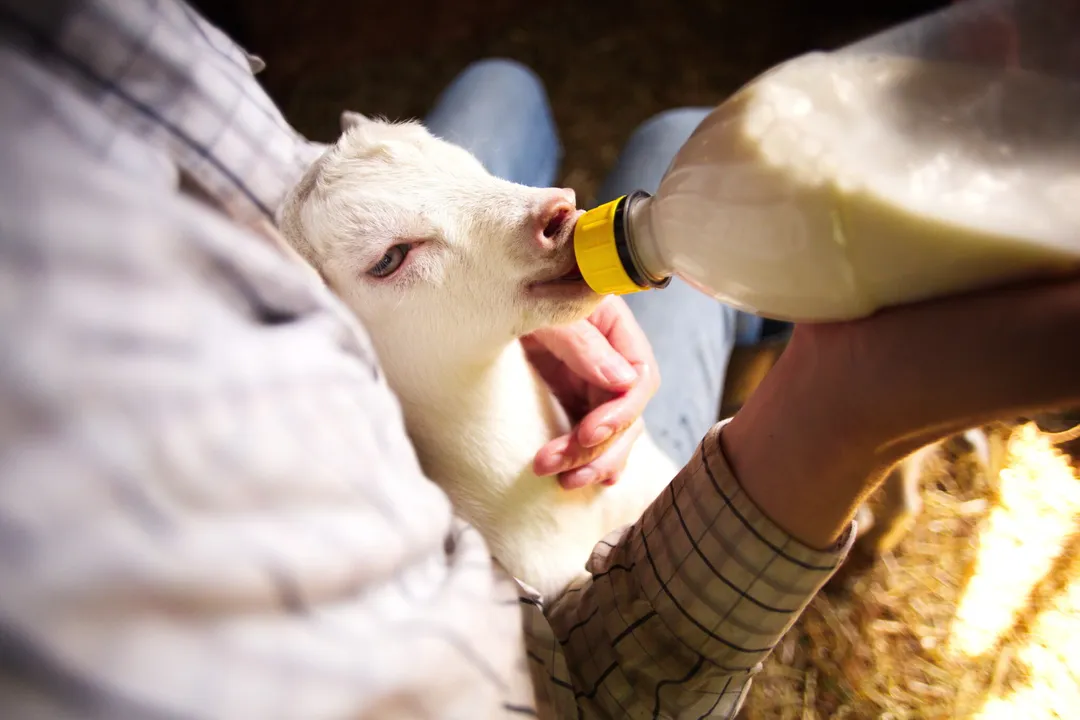
Keeping goats warm is intimately connected to keeping them dry, especially when they are lying down. Bedding serves as a critical layer of insulation against the cold ground. Straw is frequently cited as the superior bedding material over wood shavings because its structure allows air pockets to remain lofted, enabling urine and moisture to drain down to the ground layer, thus keeping the surface dry. Shavings, conversely, tend to clump when wet and stay wet.
In colder environments, the deep litter method is sometimes employed, where layers of straw are added over time, allowing the bottom layers to decompose and generate heat. However, this method requires careful management to ensure ammonia levels remain low enough not to cause respiratory distress. A common complication noted by experienced keepers is that goats have a tendency to urinate directly onto fresh bedding, rendering it unusable for sleeping. In such cases, a pragmatic approach involves providing a simple, elevated sleeping shelf within the windbreak area, foregoing deep bedding in that specific spot, and instead keeping a separate, fully bedded stall (like a horse stall) available for the most extreme cold nights or for vulnerable animals like new mothers and kids. Selecting the right bedding involves balancing insulation, dryness, cost, and the goat's behavior—the goal is insulation from the ground, not necessarily trapping warmth from above.
# Rumen Furnace
A goat’s primary mechanism for generating internal heat is the active fermentation process occurring in its rumen. This digestive activity is why continuous access to high-fiber feed, particularly hay, is non-negotiable in winter. Hay requires more time to break down than grain, leading to sustained microbial activity that acts as an internal furnace.
This biological furnace must be regularly stoked. Owners accustomed to extreme cold often ensure their herds have free-choice, 24/7 access to hay, sometimes increasing the number of feedings per day or ensuring hay is available deep into the night. For every the temperature drops below the goat's LCT of , an extra quarter-pound of grain can be added to rations to boost caloric intake and subsequent heat production. It is vital to remember that water consumption is necessary for rumination to occur; dehydrated goats will eat less, which starves their internal heating system.
A practical observation for daily management revolves around this internal heat source: If you notice your goats eating significantly more hay during the late evening or overnight compared to milder days, this is a direct, observable indicator that their internal energy expenditure for thermoregulation has spiked, signaling a need to ensure their hay supply is maximally abundant for the coldest hours. Simply offering more hay is one step; ensuring it is high-quality, such as second-cutting hay, supports the necessary digestive work.
# Coat Insulation
The natural defense mechanism of goats is their developing winter coat. As temperatures gradually fall with the changing seasons, goats acclimate by growing a dense undercoat, often referred to as cashmere. This process requires the animal to experience the temperature fluctuations; interfering too early with external aids can impede this natural adaptation.
A telling sign that a goat is managing the cold effectively is when a layer of snow can rest on its back without melting. This indicates that the insulating layer of hair is trapping the body heat effectively, preventing it from escaping and melting the external precipitation. Because of this potent natural insulation, goat jackets or blankets are generally discouraged for healthy, acclimated adults. In fact, coats can be counterproductive by compressing the hair layers, which compromises the trapped air that provides the insulation. Jackets might only be temporarily warranted for very young kids born during extreme cold—perhaps for the first 24 hours until they are actively nursing and moving—or for any goat that is ill or suffering from poor body condition. For the hardy Kiko, which may even graze in light rain or snow when acclimated, the natural coat is usually sufficient protection against cold temperatures, provided wind and wetness are blocked by shelter.
#Videos
What do Kiko goats do in the winter? - YouTube
Tips for goat care when it's super cold! - YouTube
How Cold Is Too Cold For Kiko Goats ? #goat - YouTube
Related Questions
#Citations
What do Kiko goats do in the winter? - YouTube
Kids in winter : r/goats - Reddit
Deep Freeze! How to Keep Goats Warm in Cold Weather
How much cold can goats tolerate?? | The Goat Spot Forum
What temperature is too cold for goats? - K&H Pet Products
Keeping goats warm in the winter [cold weather tips]