West Siberian Laika Diet

The West Siberian Laika, a breed forged in the rigorous environments of North Ural and West Siberia, possesses an ancestry intertwined with wolves, which profoundly influences their dietary needs and digestive capabilities. These dogs are built for endurance, requiring fuel that supports their high activity levels and historic purpose as versatile hunters of everything from small game to bears. Understanding what powers this resilient breed moves beyond generic guidelines and into tailored nutrition that respects their unique physiology.
# Breed Metabolism

One striking feature of the West Siberian Laika is its inherited metabolism, described as being exceptionally effective, much like that of their wolf ancestors. This efficiency translates into an ability to withstand periods of hunger more easily than some other domestic dogs. After being completely exhausted from a hunt, for instance, a Laika can restore its strength remarkably quickly—often in just minutes—provided it is fed. This rapid recovery suggests a digestive system designed to extract maximum energy from every meal. For the everyday pet owner, this means that while your Laika might bounce back quickly from an intense hike, their energy reserves need replenishing with high-quality fuel to maintain that powerful physique and prevent burnout.
# Raw Food Basis

For those seeking to replicate their ancestral diet, a raw diet is often cited as the best approach for the West Siberian Laika. This type of feeding aligns with their physiology, leading experts to recommend including raw meat in their daily intake. A traditional raw composition suggests a ratio heavy on muscle meat, specifically aiming for two-thirds meat to one-third fish. Acceptable meat sources include common staples like beef or chicken, supplemented by fish. Beyond just the protein, a truly supportive diet must be balanced, ensuring the inclusion of essential vitamins, minerals, healthy fats, and vegetables. Furthermore, constant access to clean, fresh water is non-negotiable for this active breed.
The practical application of a raw diet, however, requires consideration of the dog's work output. For a pet living a moderately active life, two meals per day might be adequate. If the dog is actively hunting or working frequently, the frequency should increase to three or four meals daily to meet the higher caloric demand. Calculating the precise amount is also key: for an active dog, the recommendation is between 0.35 to 0.88 ounces of combined meat and fish for every 2.2 pounds of body weight.

# Kibble Considerations

Recognizing that maintaining a fully raw diet can be impractical for many owners, high-quality commercial alternatives are a viable substitute. When selecting a dry food, owners should prioritize recipes that use pork, chicken, or beef as primary ingredients. Given the Laika's need to maintain lean muscle mass and energy, the protein content in the kibble should be substantial, ideally constituting at least 25% of the food. Conversely, the amount of grain included should be kept as low as possible. Some commercial options are specifically noted for including components that support their needs, such as fiber and probiotics for healthy digestion, and ingredients meant to maintain brain function and all-day energy.
In the realm of modern, often personalized, feeding solutions, some services offer gently cooked fresh food recipes tailored to the Laika’s age, size, and activity level, often featuring options like grain-free, high-protein beef or lower-fat chicken recipes. Similarly, other veterinary-recommended premium foods focus on minimally processed, natural ingredients prepared using low-temperature cooking methods, emphasizing low-carb macros and high antioxidants. These modern, balanced approaches aim to provide the nutritional profile sought in natural feeding while ensuring convenience and complete nutrient balance.
# Portion Timing
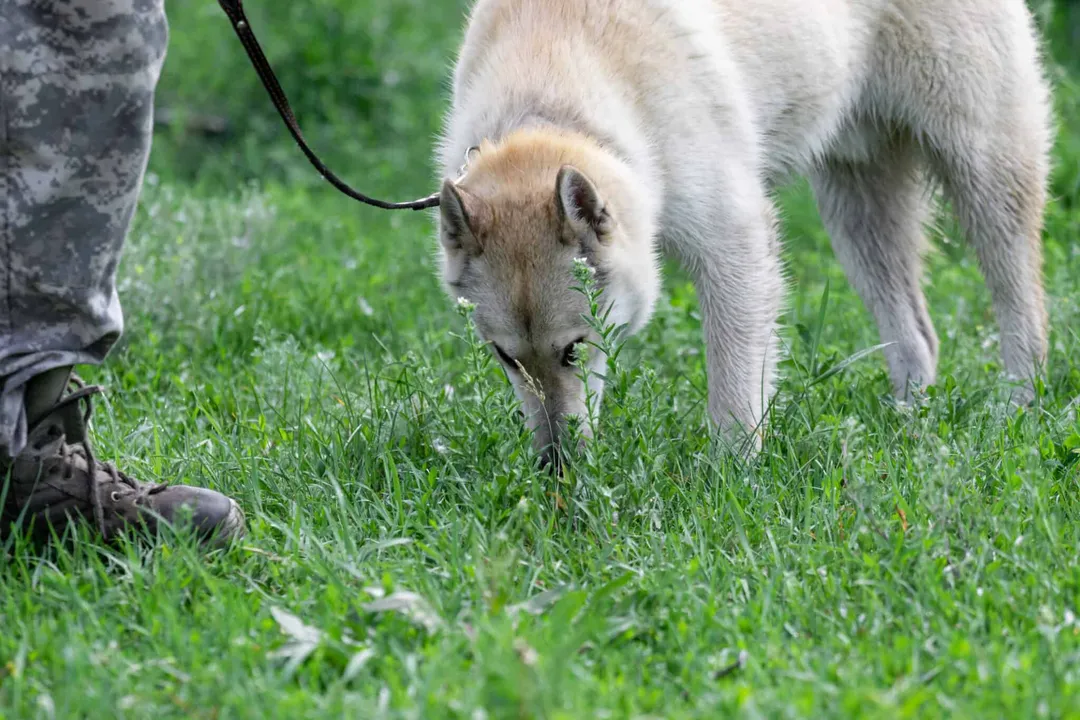
The Laika's incredible physical capacity means owners must carefully manage when they feed, especially around high-exertion periods. A traditional owner relied on the dog’s immediate need after a hunt, but a modern pet owner must anticipate it. Given their ability to restore strength rapidly, timing meals appropriately prevents overloading a system that might not need immediate high fuel, while ensuring proper fueling before activity. For instance, an energetic, working-line Laika may benefit from smaller, more frequent meals throughout the day to maintain steady energy, whereas a less active companion might thrive on two measured portions, perhaps with the larger one served after their main exercise period to aid recovery. This requires observing the individual dog’s response to scheduled feeding versus the historical reliance on immediate post-hunt replenishment.

# Treat Limits
Regardless of whether the primary diet is raw or high-quality kibble, adherence to appropriate treat intake is crucial for maintaining the breed's healthy weight. Although the Laika is known for endurance, overfeeding can still lead to obesity, which can stress joints and potentially contribute to issues like hip or elbow dysplasia—conditions this breed is susceptible to. The general guideline for canine nutrition applies here: treats should never account for more than 10% of the dog’s total daily caloric intake. To align this with their ancestral profile, consider using the primary components of their natural diet—small, safe slivers of cooked meat or fish—as high-value rewards rather than relying on less nutritious commercial biscuits. This ensures even rewards support their high-protein requirements.
Related Questions
#Citations
West Siberian Laika Dog Breed Complete Guide - A-Z Animals
Healthy dog food for West Siberian Laika - Yumwoof
West Siberian Laika Facts - Dog Breeds - Wisdom Panel
Best dog food for West Siberian Laika
The West Siberian Laika to the East Siberian Laika - Project Upland
All about West Siberian Laika breed - Animalia
West Siberian Laika Dog Breed Information and Pictures - PetGuide