What social aspect likely facilitates the transfer of successful hunting techniques for specific prey?
Answer
Teaching and passing down techniques within the matrilineal structure.
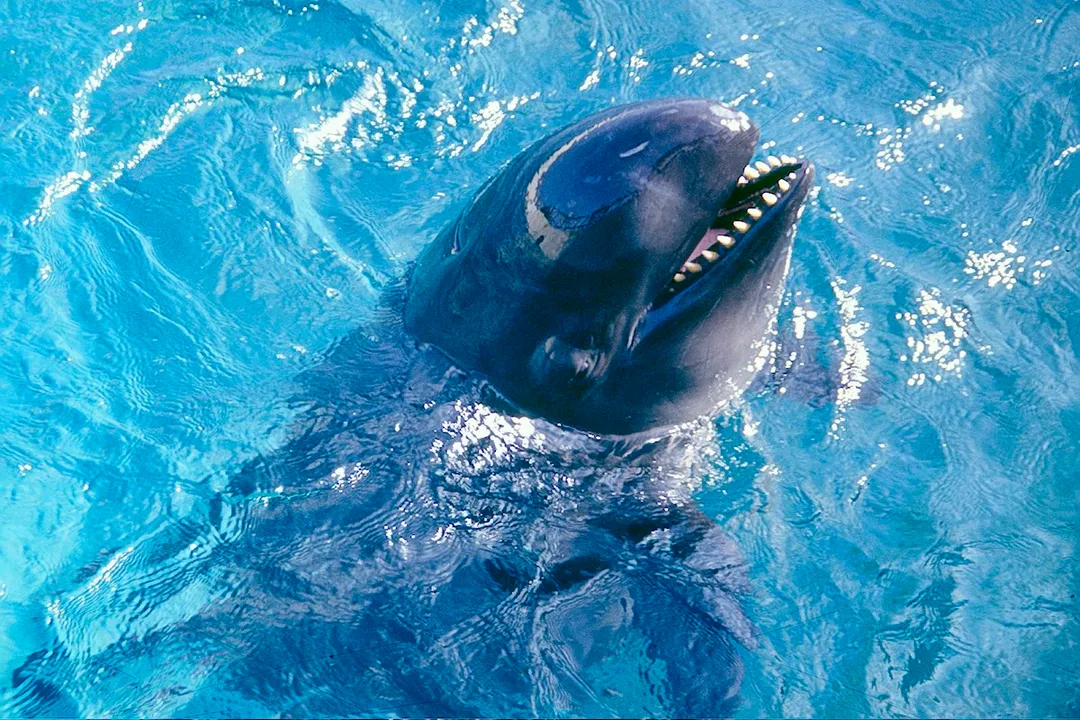
Given that false killer whales operate within stable family units, the passing down of complex hunting methods is highly probable through social learning. Successful strategies, such as coordinating efforts to drive schools of fish towards the surface or isolating a solitary dolphin from its pod, are likely taught and transmitted across generations within these tight-knit, matrilineal social structures. This process represents a form of cultural expertise directly impacting the pod's ability to secure essential calories and survive by utilizing proven, effective techniques honed over time.
Related Questions
What constitutes the foundational diet for Pseudorca crassidens?How does the false killer whale's primary prey scale compare to the true killer whale (orca)?What role does squid consumption play in the diet of the false killer whale?What group of animals sets the false killer whale apart from being solely a fish-eater?Which specific pelagic fish species are confirmed prey for Hawaiian false killer whales?What type of fish dominates the diet of the Main Hawaiian Islands Insular Population?What feeding mechanism is implied for securing slippery squid without prominent grasping teeth?What social aspect likely facilitates the transfer of successful hunting techniques for specific prey?What inaccuracy does the common name of Pseudorca crassidens suggest regarding its kinship?How is the consumption of other marine mammals characterized in the false killer whale diet?