How is the consumption of other marine mammals characterized in the false killer whale diet?
Answer
As an opportunistic take when the chance arises or primary food sources are scarce.
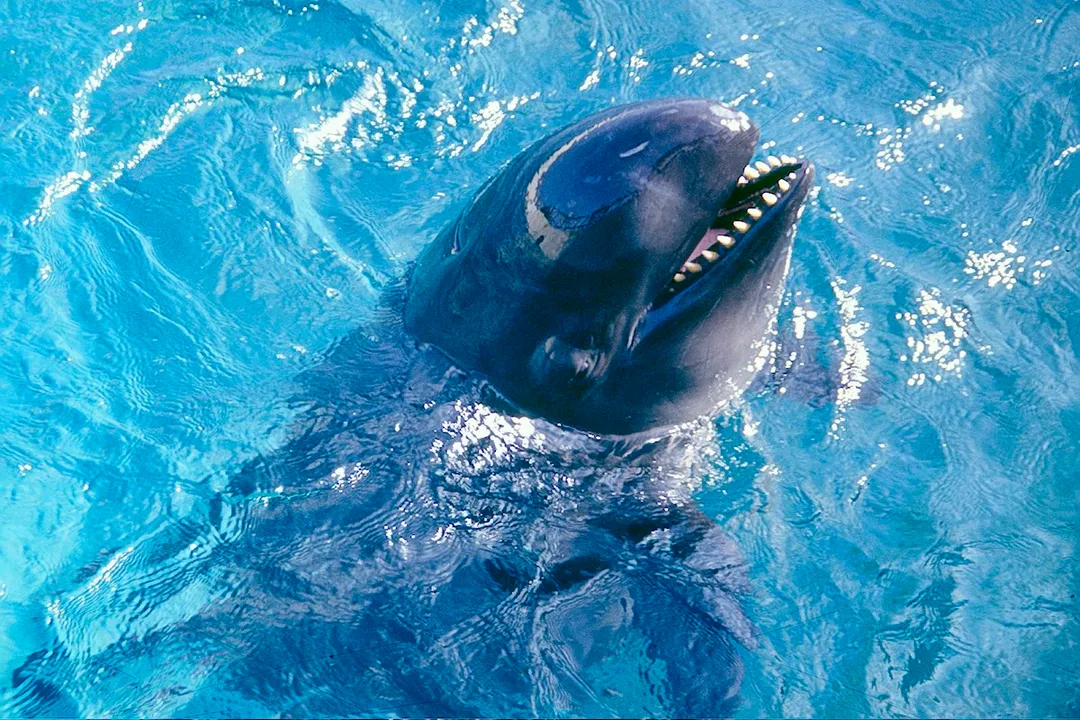
The occasional predation on other marine mammals, such as dolphins and porpoises, does not represent the typical daily sustenance for the false killer whale. Instead, this behavior is generally characterized as opportunistic. This means that hunting another cetacean is likely pursued when the opportunity presents itself—perhaps through witnessing a vulnerable individual—or perhaps during periods when their primary food sources, fish and squid, might be less accessible or sufficient to meet their needs. This type of complex predation requires social cooperation to successfully overpower agile prey.
Related Questions
What constitutes the foundational diet for Pseudorca crassidens?How does the false killer whale's primary prey scale compare to the true killer whale (orca)?What role does squid consumption play in the diet of the false killer whale?What group of animals sets the false killer whale apart from being solely a fish-eater?Which specific pelagic fish species are confirmed prey for Hawaiian false killer whales?What type of fish dominates the diet of the Main Hawaiian Islands Insular Population?What feeding mechanism is implied for securing slippery squid without prominent grasping teeth?What social aspect likely facilitates the transfer of successful hunting techniques for specific prey?What inaccuracy does the common name of Pseudorca crassidens suggest regarding its kinship?How is the consumption of other marine mammals characterized in the false killer whale diet?