What sensory characteristic differentiates a woodrat from the Norway rat (*Rattus norvegicus*)?
Answer
The absence of the strong, musky odor often associated with the Norway rat
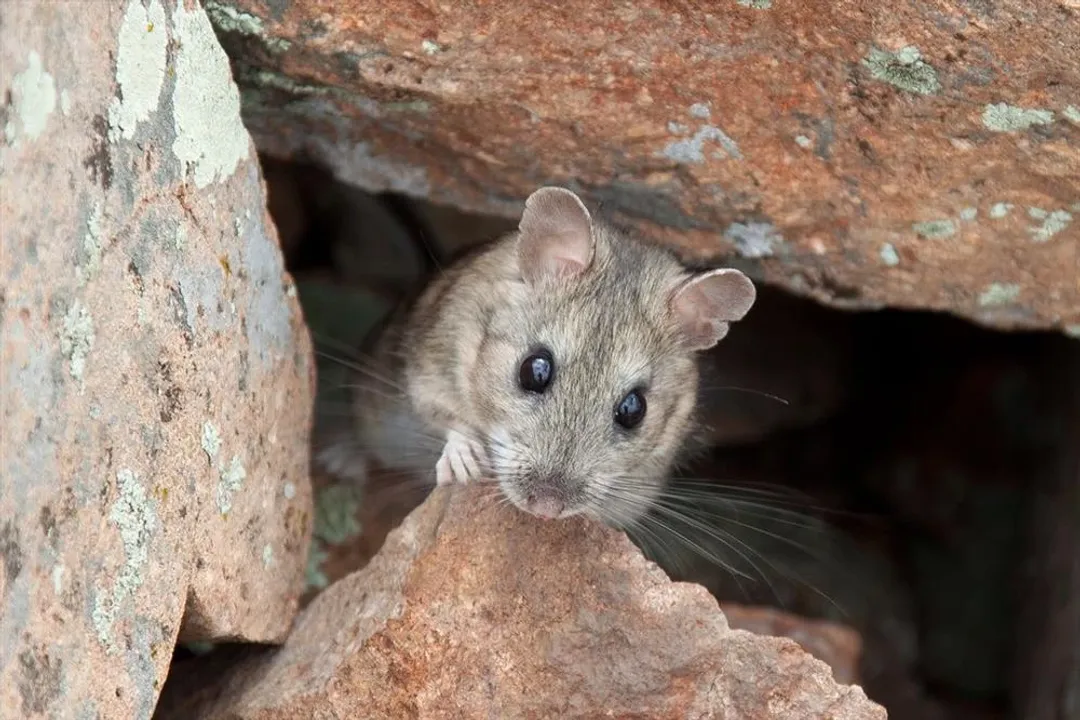
One crucial differentiator between woodrats and Norway rats (*Rattus norvegicus*) is olfactory; woodrats consistently lack the strong, musky odor that is frequently associated with the Norway rat. Beyond odor, there are coat texture differences, as the woodrat generally possesses a duller, softer, less oily-looking coat compared to the Norway rat. While both species might inhabit similar general ecosystems, the woodrat typically prefers wilder settings, and their physical attributes, including the coat appearance and scent profile, help distinguish them reliably.
Related Questions
What physical mark distinguishes the White-throated woodrat (*N. albigula*)?How does the general size of woodrats compare to a common mouse?What specialized tail morphology defines the Bushy-tailed woodrat (*N. cinerea*)?What color pattern is a consistent feature on the underside of many woodrat species?What sensory characteristic differentiates a woodrat from the Norway rat (*Rattus norvegicus*)?What is the functional advantage of the woodrat's relatively large hind feet?What is the approximate tail length to body length ratio often seen in the Allegheny woodrat (*N. magister*)?How is the fur coloration typically described for the Eastern woodrat (*N. floridana*)?Which cranial features equip woodrats for their crepuscular and nocturnal lifestyles?How does the woodrat tail generally differ from the tail of the roof rat (*Rattus rattus*)?What characteristic of the woodrat coat helps distinguish it from the Norway rat (*Rattus norvegicus*)?