Woodrat Physical Characteristics
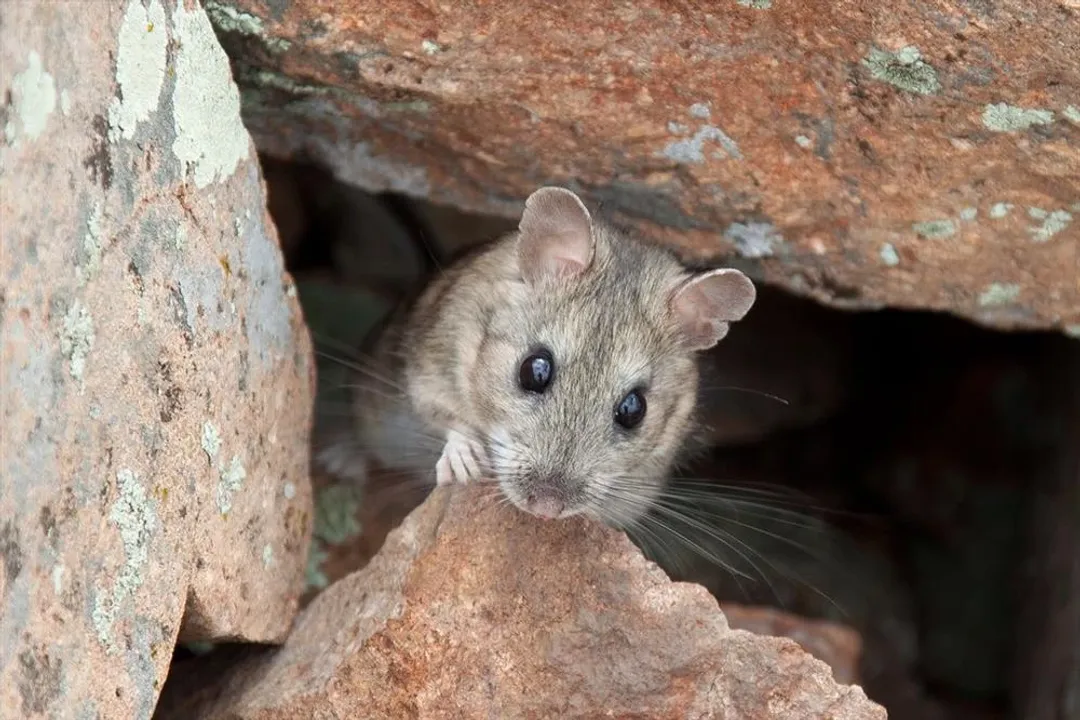
The appearance of woodrats, often colloquially known as pack rats, presents a fascinating study in adaptation, with notable variations occurring across the different species that fall under the genus Neotoma. While they share the general silhouette of many common North American rodents—small to medium-sized, furry, and nocturnal—their specific features, particularly tail structure and coloration, serve as important identification markers for field observers. Generally speaking, these creatures are not as small as a common mouse but are more substantial, often measuring between 12 and 20 inches from nose to tail tip, though this range is heavily dependent on the species and whether the measurement includes the entire tail length. Their weight is also variable, often landing in a range that makes them easily discernible from smaller commensal rodents found near human habitation.
# General Body Build
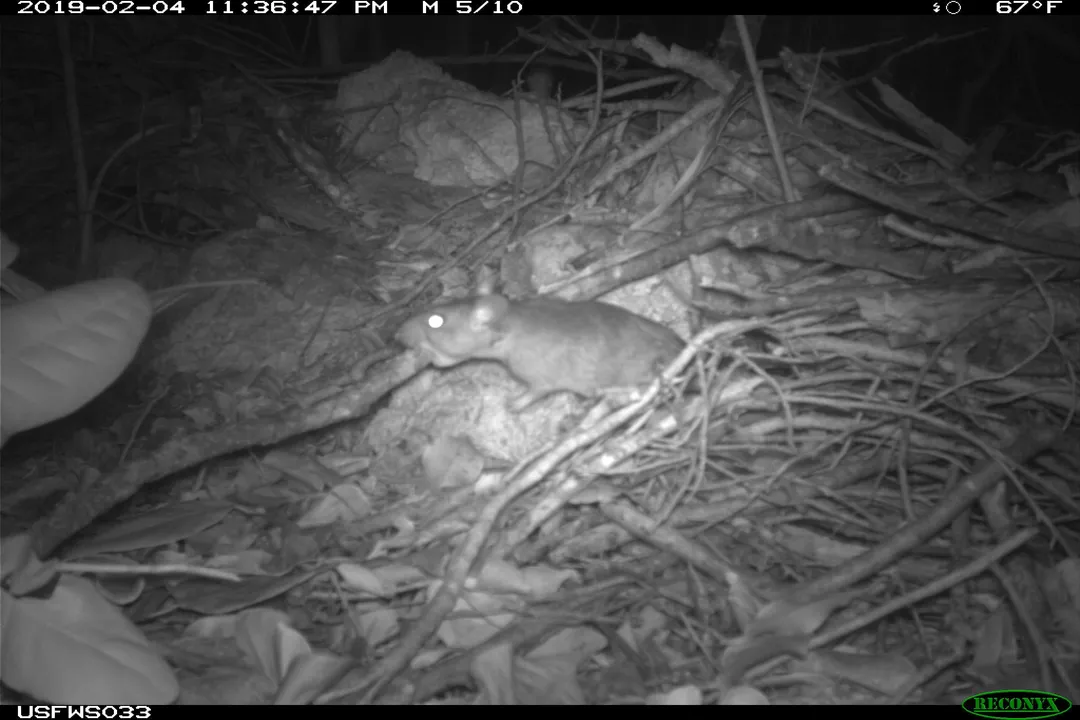
The overall build of a woodrat suggests an animal equipped for climbing and scampering through varied terrain, from rocky outcrops to dense brush. They possess relatively large hind feet, which aids in their agility and ability to navigate uneven surfaces, a common trait among many arboreal or climbing rodents. Their bodies are typically soft and densely furred, providing insulation against cooler nighttime temperatures, which is crucial given their primary activity period. The fur density and texture can differ between species and even based on geographic location, reflecting local climate conditions. For instance, species inhabiting colder, high-elevation areas might possess a noticeably thicker pelage than their southern counterparts.
# Pelage and Coloration
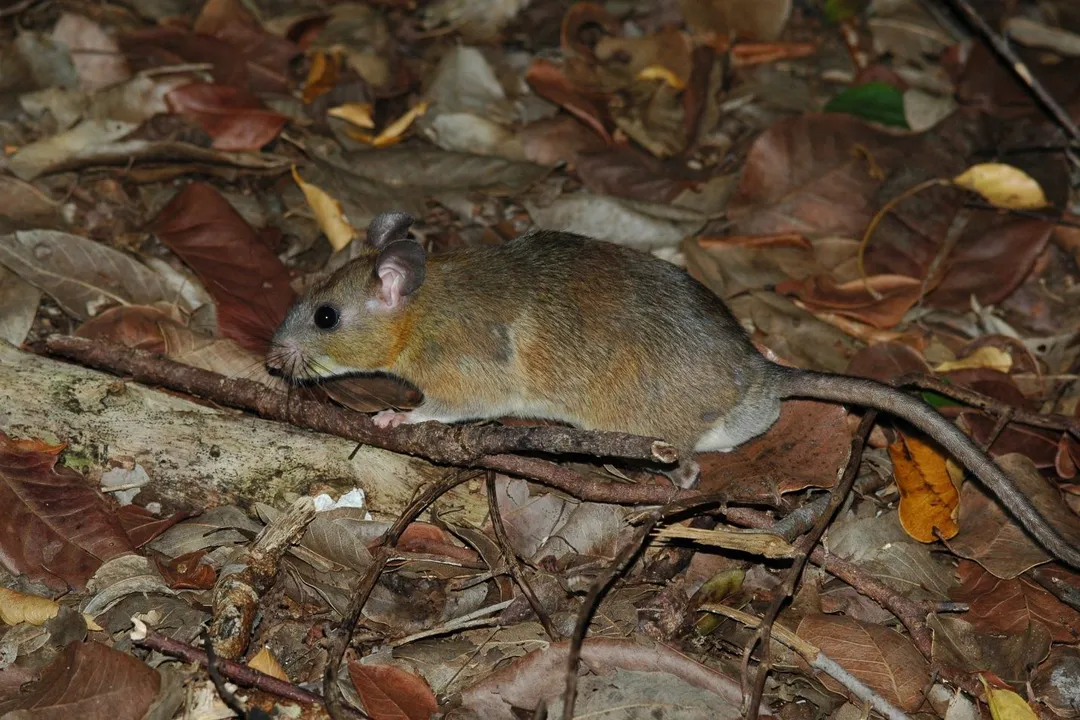
The fur covering a woodrat's body usually presents a muted palette, which serves as effective camouflage against the natural backgrounds of their habitats, whether that be desert scrub, forest floor, or rocky scree. Most species exhibit fur colors ranging from grayish to brownish, often overlaid with darker guard hairs that give the coat a grizzled appearance. A consistent feature across many species is the presence of white or pale fur on the underside. This contrast between the darker dorsal side and the lighter belly is a classic pattern in many mammals, helping to break up their silhouette when viewed from below against a lighter sky.
For example, the Eastern woodrat (Neotoma floridana) typically displays a brownish-gray back fading to white on the belly. In contrast, the White-throated woodrat (Neotoma albigula), found in the Southwest, is named specifically for a distinct white patch of fur located on its throat area, an easy-to-spot characteristic if the animal is sufficiently visible. The Allegheny woodrat (Neotoma magister), sometimes referred to by its former classification or regionally as the Neotoma pennsylvanica, generally presents a darker, more dusky gray or brownish appearance compared to some of its lighter relatives.
# The Tail Feature
Perhaps the most striking and diagnostically important physical characteristic of the woodrat family is the tail. In many woodrats, the tail is nearly as long as the head and body combined, making it a significant proportion of the animal's total length. This length is advantageous for balance when navigating complex structures, much like a tightrope walker uses a pole.
However, the texture and coloration of the tail are what truly differentiate species. Two primary tail morphologies stand out: the bushy tail and the sparsely haired, often bicolor tail.
The Bushy-tailed woodrat (Neotoma cinerea), as its name implies, possesses a tail that is decidedly bushy, covered in long, soft hair that gives it a distinct, plume-like appearance. This species often has a tail that is dark gray or blackish on the upper side and lighter, sometimes whitish, underneath.
Conversely, many other species, such as the Eastern and Allegheny woodrats, have tails that are less densely furred. These tails are frequently bicolor, meaning they are dark or brownish on the dorsal side and noticeably paler, often white or buff, on the ventral side. The sparse hair coverage on these tails means the scaly skin underneath is more visible compared to the heavily furred tail of N. cinerea. While they aren't entirely naked, the difference in hair density between N. cinerea and N. floridana is substantial enough to be a primary field mark.
An interesting observation when comparing the major North American species is the ratio of tail length to body length. For species like the Allegheny woodrat, the tail length is often very close to the body length, approaching a 1:1 ratio, which aids in arboreal maneuverability. In contrast, while still long, some desert-dwelling woodrats might exhibit slightly shorter relative tail lengths, perhaps prioritizing energy conservation over maximum balancing aid in their specific environments. This subtle difference in morphology often correlates with habitat specialization—the bushier tail for climbing in forested or rocky areas, and the perhaps slightly less cumbersome tail for traversing open desert floor or dense scrub.
# Cranial and Sensory Features
Woodrats are well-equipped for their crepuscular and nocturnal lifestyles, possessing large eyes that maximize light capture in low-light conditions. These eyes are typically dark and prominent against the lighter facial fur.
Their ears are also noteworthy, often described as relatively large and conspicuous, though not as disproportionately large as those found on some desert-adapted mice like the kangaroo rat. The size and prominence of the ears suggest good hearing sensitivity, which is vital for detecting predators and navigating their surroundings in the dark. The muzzle is somewhat pointed, housing sensitive vibrissae (whiskers) that assist in probing dark crevices and assessing immediate surroundings. Dental characteristics, typical of rodents, include prominent incisors adapted for gnawing, necessary for processing seeds, nuts, and plant materials that form the bulk of their diet.

# Size Variability Across Species
To truly appreciate the physical characteristics, one must acknowledge the diversity within the genus. While general descriptions are useful, specific measurements highlight the spectrum of adaptation.
| Species Group | Typical Head and Body Length (Inches) | Tail Description | Primary Habitat Association |
|---|---|---|---|
| Eastern Woodrat (N. floridana) | ~7 to 8.5 | Moderately haired, bicolor, shorter than body | Forests, thickets, rocky areas |
| Allegheny Woodrat (N. magister) | ~7 to 8.5 | Similar to Eastern, dusky appearance | Rocky cliffs, talus slopes |
| Bushy-tailed Woodrat (N. cinerea) | ~6.5 to 9 | Distinctly long and bushy | Cooler, higher elevations, coniferous forests |
| White-throated Woodrat (N. albigula) | ~6 to 8 | Bicolor, moderately haired | Deserts, scrublands, rocky areas |
This table, derived from synthesizing information across several regional accounts, illustrates that while the Eastern and Allegheny species are quite similar in size, the Bushy-tailed woodrat can be marginally larger or at least appears so due to its voluminous tail. The White-throated species occupies the drier, often warmer end of the spectrum. A common misidentification risk arises when observing the tail, as a quick glance might confuse a slightly scruffy Eastern woodrat tail with that of a true Bushy-tailed variety if light conditions obscure the hair density.
# Distinguishing Features from Other Rodents
In many areas, woodrats share territory with common house mice, various native mice, and even juvenile rats. Their physical attributes set them apart reliably. Their relatively large size compared to common house mice (Mus musculus) is the first indicator. While some native deer mice or harvest mice might reach similar lengths, the woodrat possesses a noticeably stouter body and a tail that is often proportionally longer or distinctly different in texture (bushy vs. thin).
Unlike Norway rats (Rattus norvegicus) or roof rats (Rattus rattus), which are often encountered in the same general ecosystems (though woodrats prefer wilder settings), the woodrat almost universally has a duller, softer, less oily-looking coat. Furthermore, the tail of the roof rat is typically naked or only very sparsely haired and often longer than its body, whereas the woodrat tail, even when long, usually retains more noticeable hair, or the distinctive bushiness of N. cinerea. The ears of the woodrat are large, but perhaps less conspicuously so than the extremely large ears characteristic of some desert kangaroo rats. A crucial differentiator, though requiring close observation, is the absence of the strong, musky odor often associated with the Norway rat.
When comparing the Allegheny woodrat to the common Eastern woodrat, physical differences are minute and often only detectable by experts or through geography. They are closely related, and sometimes their ranges overlap or their appearances are nearly indistinguishable without seeing the specific habitat context. This close resemblance highlights why focusing on one key feature—the tail—is often the best general field identification strategy when an animal is fleeing or partially obscured.
If one is looking at a specimen from the arid Southwest, the presence of the white throat patch is a strong indicator pointing toward N. albigula, distinguishing it from other Neotoma species that lack this specific marking. In the northern Rockies, the tail texture becomes the overriding characteristic to confirm N. cinerea presence. These subtle species-specific traits underscore that "woodrat" is a generalized term, and their physical makeup is a localized solution to environmental pressures. For instance, the paler coloration of the White-throated woodrat near the Sonoran Desert provides better camouflage against sandy soils than the darker fur typical of the Eastern species in damp, dark woodlands. The sheer variety in appearance, despite the shared genus name, showcases the evolutionary success of this group across diverse North American environments. This adaptability in appearance, from fur density to color saturation, is a testament to their success as generalist rodents in varied niches.
Related Questions
#Citations
Woodrats - Pajarito Environmental Education Center
Bushy-tailed Woodrat - Montana Field Guide
Animal Fact Sheet: White-throated woodrat - Desert Museum
Allegheny Woodrat - | Outdoor Alabama
Eastern Woodrat - Kansas Mammal Atlas
Neotoma floridana (eastern woodrat) - Animal Diversity Web
WEC470/UW528: Wildlife of Florida Fact Sheet: Key Largo Woodrat
Bushy-tailed Woodrat (Neotoma cinerea) - National Park Service
Pack rat - Wikipedia