What scenario involving a beached carcass suggests dietary flexibility for Xenotarsosaurus?
Answer
Scavenging
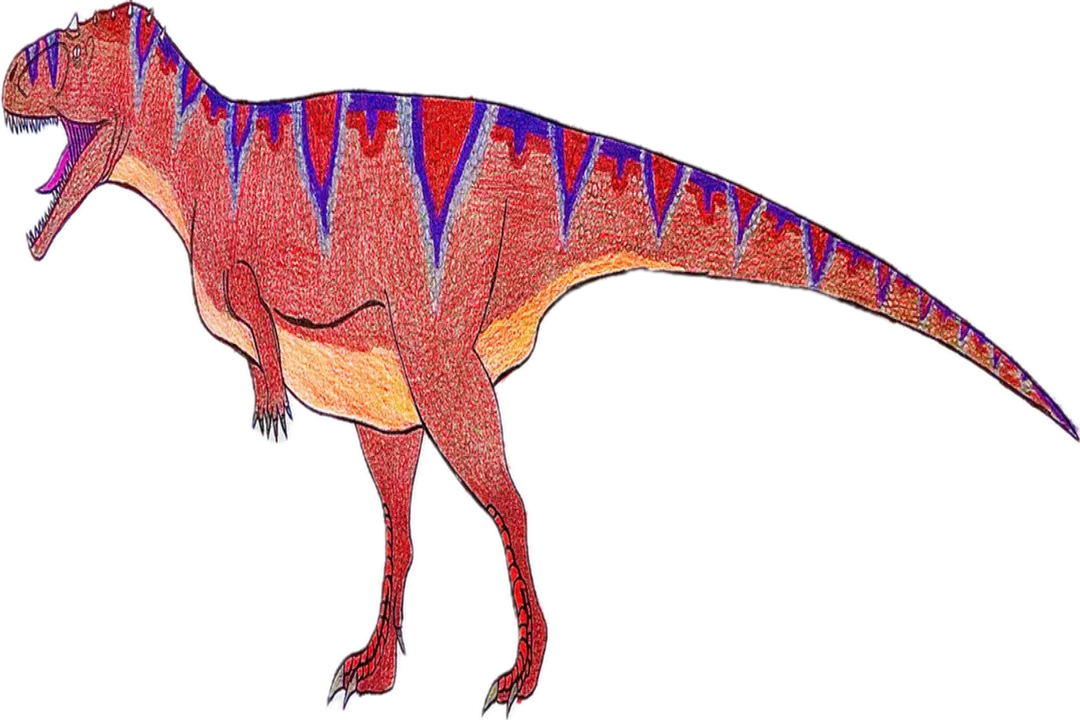
Visual representations, such as artwork, link Xenotarsosaurus to the behavior of scavenging, specifically suggesting it fed on a beached carcass. This behavior is ecologically significant because it indicates dietary flexibility, meaning the animal was not exclusively reliant on the high energy output and significant risk associated with actively pursuing and overpowering large, living prey. Accessing an already deceased animal provides a substantial, relatively safe caloric intake, representing an opportunistic resource exploitation tactic vital for survival.
Related Questions
What family classification is assigned to Xenotarsosaurus bonapartei?What feeding strategy is assumed for Xenotarsosaurus as a member of Theropoda?What scenario involving a beached carcass suggests dietary flexibility for Xenotarsosaurus?During which geological period did the Abelisauridae family thrive prominently in southern continents?What skull features characterize Abelisaurids like Carnotaurus?What term describes the inclusion of scavenging into the diet of Xenotarsosaurus?What specific herbivores are inferred to have roamed the Late Cretaceous environment of Xenotarsosaurus?Relative to potentially larger carnivores, what ecological role might Xenotarsosaurus have supplemented its diet with?Which anatomical structure is referenced by the meaning of Xenotarsosaurus, "strange ankle lizard"?Why is relying on scavenging described as an energy-saving strategy for Xenotarsosaurus?