Relative to potentially larger carnivores, what ecological role might Xenotarsosaurus have supplemented its diet with?
Answer
Secondary scavenger
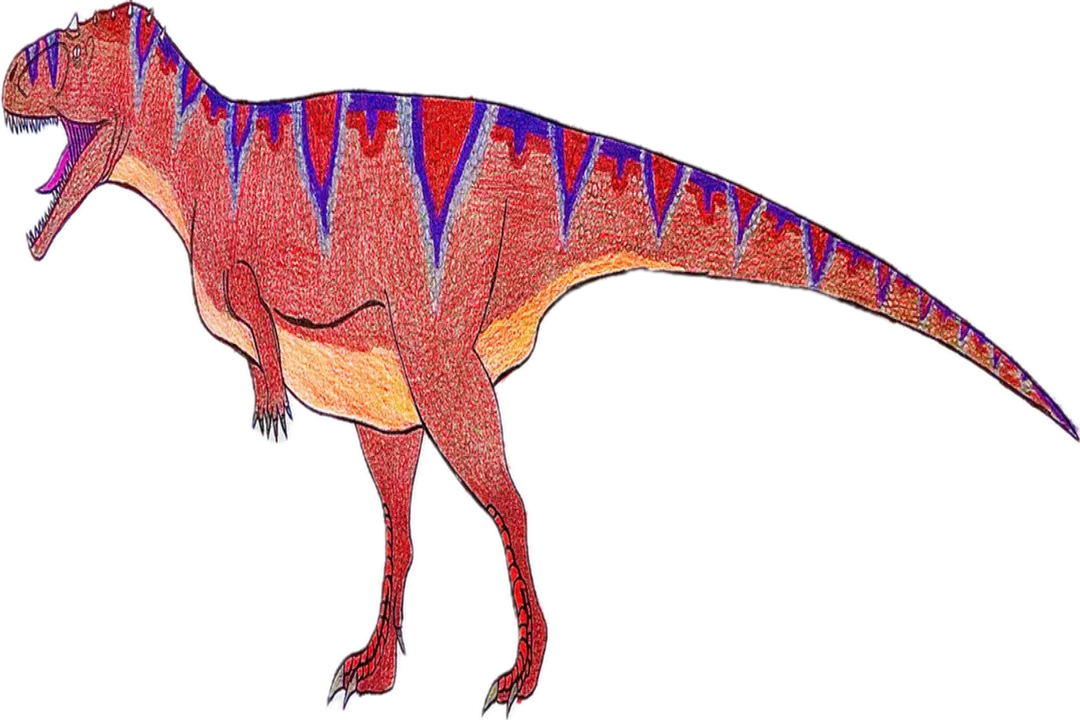
In stratified Mesozoic ecosystems, different carnivores occupied distinct niches. Given that Xenotarsosaurus was an abelisaurid—a major player, but perhaps not the absolute largest carnivore—it might have occupied a niche supplementary to the largest predators. The suggestion of scavenging lends credence to the idea that it might have acted as a secondary scavenger, capitalizing on the leftovers of kills made by larger contemporaries, or at least supplementing its diet of smaller, actively hunted game with the remains of larger animals.
Related Questions
What family classification is assigned to Xenotarsosaurus bonapartei?What feeding strategy is assumed for Xenotarsosaurus as a member of Theropoda?What scenario involving a beached carcass suggests dietary flexibility for Xenotarsosaurus?During which geological period did the Abelisauridae family thrive prominently in southern continents?What skull features characterize Abelisaurids like Carnotaurus?What term describes the inclusion of scavenging into the diet of Xenotarsosaurus?What specific herbivores are inferred to have roamed the Late Cretaceous environment of Xenotarsosaurus?Relative to potentially larger carnivores, what ecological role might Xenotarsosaurus have supplemented its diet with?Which anatomical structure is referenced by the meaning of Xenotarsosaurus, "strange ankle lizard"?Why is relying on scavenging described as an energy-saving strategy for Xenotarsosaurus?