What role do Asters, black-eyed Susans, and coneflowers serve near vulnerable crops?
Answer
They act as natural buffers against common mammal pests like deer and rabbits.
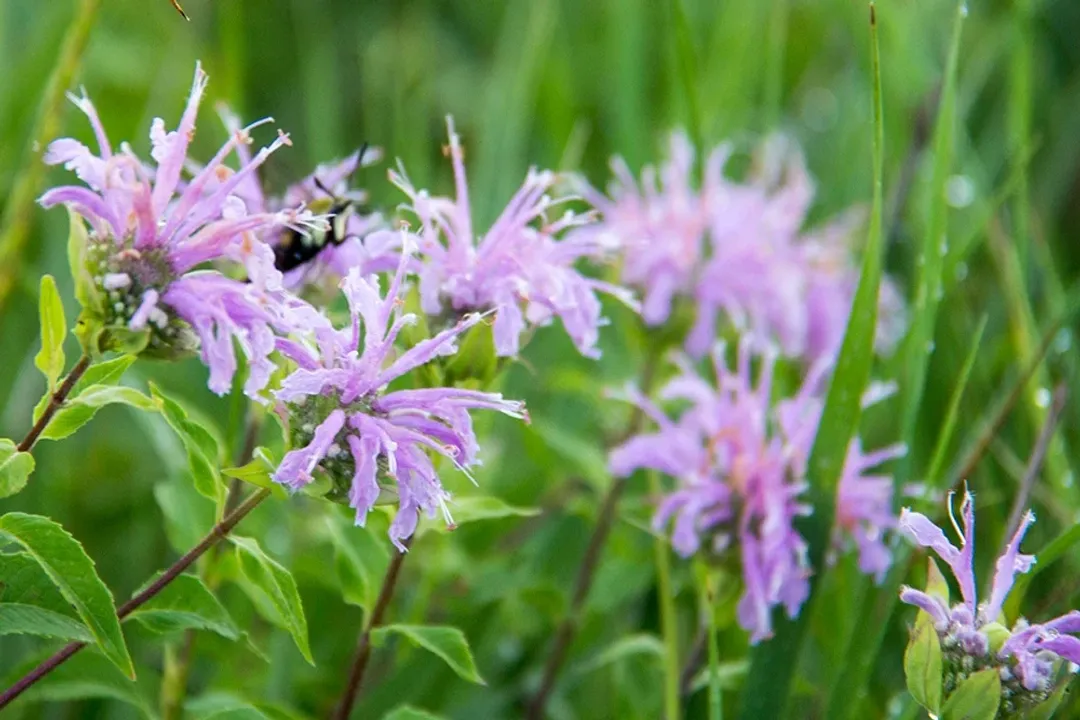
Asters are frequently suggested for use in integrated pest management strategies because they possess characteristics, such as scent or texture, that deter various mammal pests. The text places asters alongside black-eyed Susans and lupines specifically because these plants are recommended for planting near vulnerable crops to help repel animals such as deer, rabbits, and chipmunks. This suggests that squirrels might also avoid asters due to similar sensory cues, classifying them as a generally safe plant choice rather than a desirable food source, unlike classic targets such as tulip bulbs.
Related Questions
Which underground storage organs do squirrels show a strong preference for raiding in gardens?What role do Asters, black-eyed Susans, and coneflowers serve near vulnerable crops?If an aster is yanked out sideways with scattered soil, what is the primary cause of the damage?What physical method is recommended for protecting small, newly established asters from burrowing damage?Why is cayenne pepper effective as a selective deterrent against squirrels near asters?What describes the general foraging nature of tree squirrels regarding their palate, influencing their attraction to gardens?What specific precaution must be taken when applying capsaicin-based sprays to aster foliage?What materials can be applied as soil topping to frustrate squirrels attempting to dig near newly planted asters?What is the potential risk associated with dedicating a separate area to offering corn or sunflower seeds to squirrels?Which group of herbs is noted as being left alone by some ground squirrels, similar to the general avoidance of Asters?If observers note squirrels stripping leaves off violets without consuming them, what behavior is suggested?