Do squirrels eat asters?
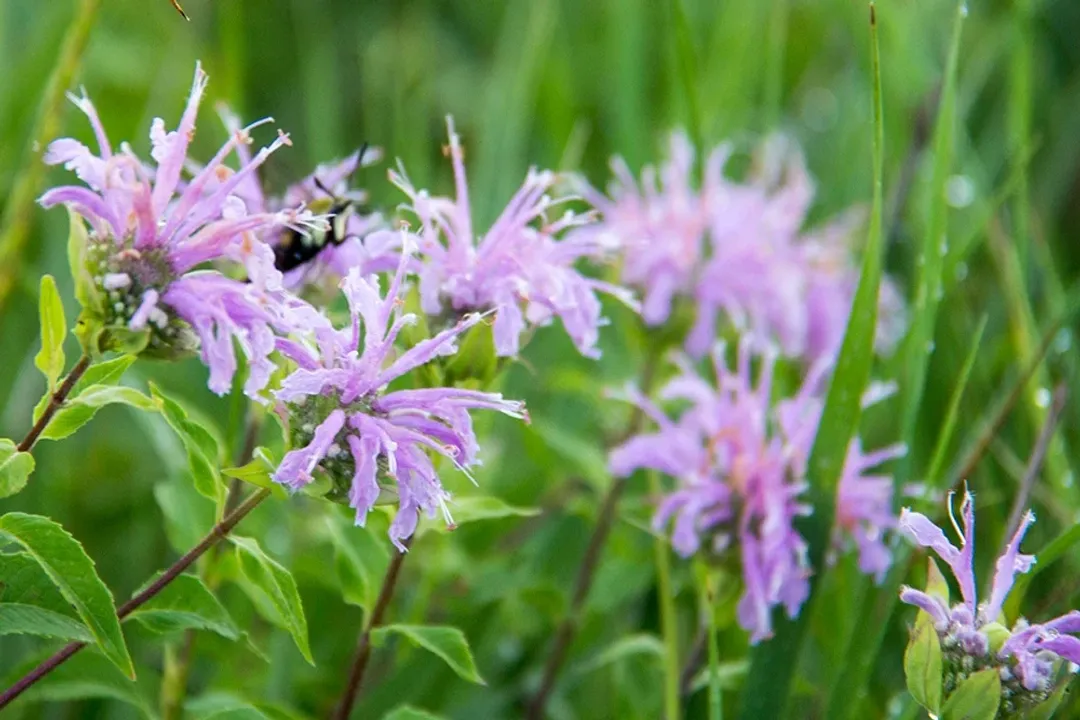
The eternal question of what our bushy-tailed neighbors will decide to sample in the garden next is a common source of frustration for any plant enthusiast. When new flowering perennials arrive, such as the popular aster, gardeners often wonder where this addition falls on the squirrel’s menu. Unlike classic targets like tulip bulbs or sunflower seeds, the consumption of asters is not immediately clear from general knowledge, requiring a closer look at documented squirrel behavior in cultivated spaces. Squirrels are omnivorous, opportunistic foragers, meaning their palate is surprisingly broad and often dictated more by availability and immediate need than strict preference.
# General Appetites
To understand the risk to asters, it helps to know what commonly does draw a squirrel’s destructive attention. These rodents are perpetually busy, whether they are eating immediately or caching food for later. Tree squirrels, for instance, consume nuts, seeds, fruit, and even insects or bird eggs, sometimes resorting to carrion when food is scarce.
Gardeners frequently report significant losses related to high-starch underground storage organs. Squirrels have been known to raid freshly planted bulb gardens, showing a strong preference for treats like tulips, crocuses, and lilies. They actively dig up other items too; raw potatoes and tangerines have been noted as high-value targets in some locales. Furthermore, the simple act of digging—not necessarily eating—is a major source of garden destruction. Squirrels often disturb soil in flower beds or lawns to retrieve food they have buried or simply because freshly worked, loose soil mimics the ideal conditions for caching. This means even if the plant itself is unappealing, a young, newly planted aster in soft potting mix might be uprooted purely for soil inspection.
# Asters' Reputation
When specifically looking at asters (Symphyotrichum species), the evidence leans toward them being an avoided plant rather than a favored one. In discussions of integrated pest management for vegetable gardens, certain plants are suggested specifically because they act as natural buffers against common mammal pests. Asters are named in the company of black-eyed Susans, coneflowers, and lupines as being useful for planting near vulnerable crops to help repel deer, rabbits, and chipmunks, suggesting that squirrels may also avoid them due to scent or texture.
This places asters in the category of plants that are generally considered safe, similar to how certain herbs like rosemary, sage, thyme, and lemon verbena were noted as being left alone by some ground squirrels. However, it is vital to remember that no plant is universally safe when squirrels are desperate or highly motivated. Squirrels possess a complex intelligence and can use deception to outsmart perceived threats. A plant listed as safe is usually safe based on scent or taste, but if a squirrel is driven by an instinct to dig in rich soil, the flower itself might be collateral damage.
# Distinguishing Damage
A critical element in protecting asters—or any perennial—is discerning why the squirrel is interacting with the plant. The two primary types of damage observed by gardeners are direct consumption and soil disturbance.
If you find flowers stripped, leaves shredded, or tender stems eaten down to the nub, the squirrel is actively sampling the plant tissue. For asters, this might mean sampling new spring growth or developing flower buds. Conversely, if you discover your aster is yanked out of the ground, perhaps lying sideways with the soil around it scattered, the culprit is likely caching food or investigating the loose medium. A gardener noted that squirrels often associate freshly worked dirt or pots with buried treasures, leading them to dig even if they aren't hungry for the planted item. If your asters are merely being dug around, addressing the soil texture might be more effective than just applying a taste repellent.
It is interesting to note that while gardeners are often angry that squirrels are destroying plants, some observers report that the animals are not always eating the sample they take. One account detailed squirrels stripping leaves off violets and wild petunias, leaving the ruined parts in the dirt rather than consuming them, suggesting an investigation or displacement behavior.
# Repellent Tactics
Since a single deterrent rarely works against such intelligent pests, a multi-layered approach is usually the most effective path for protecting plants like asters. The most successful gardener responses rely on physical barriers or strong aversive tastes.
For small plants or newly established asters, physical exclusion is highly recommended until they become hardy enough to withstand minor disturbances. Options include:
- Caging: Using chicken wire or mesh cages over the area, ensuring the edges are buried at least six inches to deter burrowing. Small, movable fencing squares are also effective for protecting new starts.
- Soil Topping: Applying a layer of small, crushed gravel or coarse sand on the soil surface can make digging frustrating for the squirrel.
When chemical or scent repellents are preferred, taste is the primary weapon against consumption:
- Spices: Cayenne pepper or chili powder sprinkled lightly on the soil or around the base of the plant often works because birds lack the same pain receptors squirrels possess, allowing for selective deterrence. This must be reapplied frequently, especially after rain.
- Scent Deterrents: Products containing capsaicin, such as commercial sprays or homemade hot water/vinegar mixes, can be applied to the foliage, though care must be taken to avoid spraying in direct, hot sun to prevent leaf burn. Some gardeners also report success with strongly scented soap, like Irish Spring, hung near the area.
If you are planting bulbs near your asters, prioritizing squirrel-resistant options like alliums or daffodils mixed in can offer an initial layer of protection.
# Coexistence Philosophy
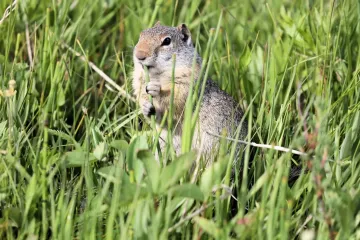
While active defense mechanisms like cages and spicy powders are necessary when specific plants are threatened, some experienced gardeners suggest shifting the focus from outright war to managing the ecosystem. Recognizing that squirrels are vital components of the native landscape—often planting new forests by caching seeds—can temper the frustration. If you find yourself continuously battling pests, dedicating a small, separate area or container to an offering of squirrel-preferred food, like corn or sunflower seeds, might divert their attention from your prized asters. However, this strategy requires careful management, as making food too accessible can actually encourage them to frequent the area, increasing the overall risk of digging damage to nearby beds. A measured approach, using physical protection for high-value, newly planted asters, combined with broad-spectrum, taste-based repellents, respects their role in nature while prioritizing your garden investment.
Related Questions
#Citations
Solutions to Common Garden Challenges
This is the 3rd year in a row that squirrels are destroying my plants. I ...
Living With Squirrels - Garden Blog at Nature Hills Nursery!
How to deal with squirrels in your garden? - Plant and Gardening FAQ
Thread: Non-toxic flowers - The Squirrel Board
Garden plants that ground squirrels will not devour? - Houzz