Do deer or rabbits eat asters?
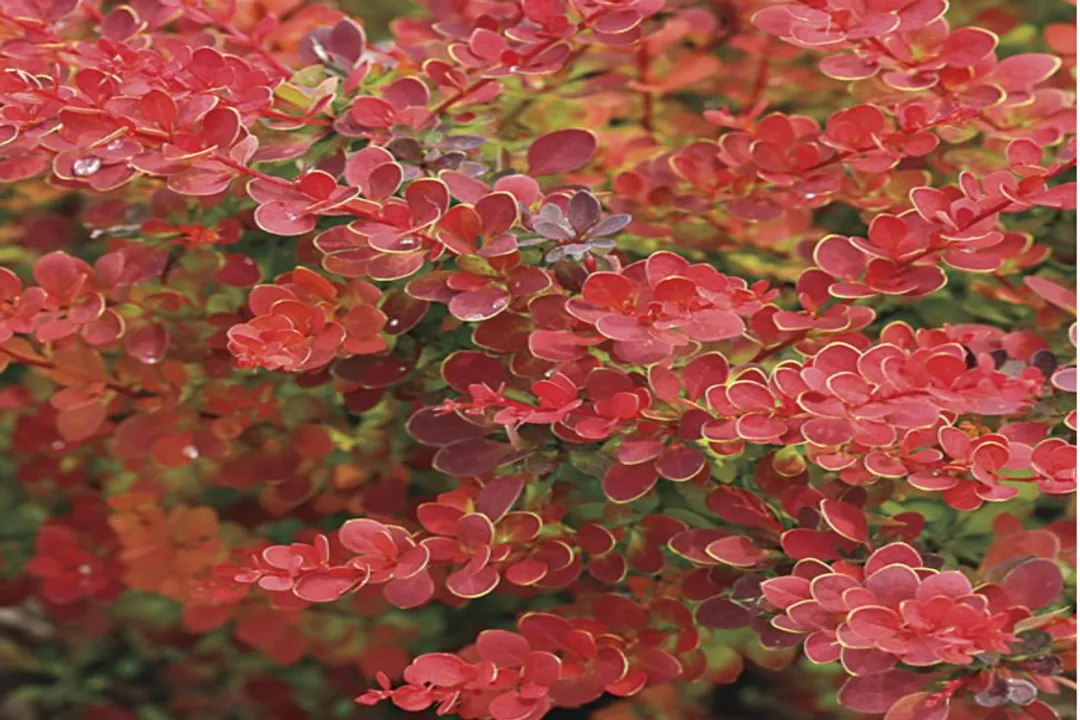
The question of what our garden visitors prefer to nibble on often leads native plant enthusiasts directly to the aster patch. These late-season bloomers, bursting with color when many other flowers have faded, are highly valued additions to any landscape aiming to support pollinators right up until frost. [4] Understanding their palatability to common yard browsers like deer and rabbits is key to ensuring those precious late-season flowers actually make it to maturity.
# Deer Opinion
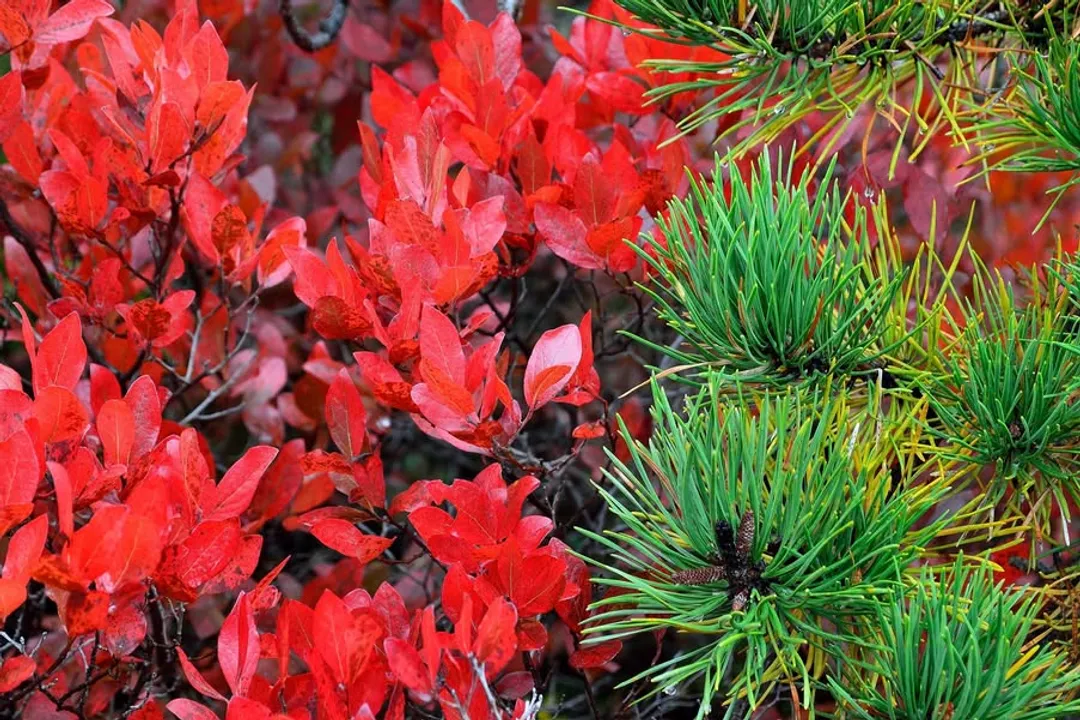
Generally speaking, asters enjoy a reputation for being fairly unappealing to deer. [2] Many perennial lists classify various aster species as being deer-resistant. [6] This resistance is often attributed to the texture or the taste of the foliage, which might not appeal to the browsing habits of deer when tastier alternatives are abundant. [2] When you are planning a garden for areas with heavy deer traffic, choosing species known for this trait can save significant disappointment.
However, gardeners must keep in mind that "deer resistant" rarely means "deer proof". [2] In situations of high browsing pressure, where deer populations are dense or food sources are scarce, even plants typically ignored can become fair game. [2] Resistance implies that they are less preferred, not entirely inedible under duress.
# Rabbit Interactions
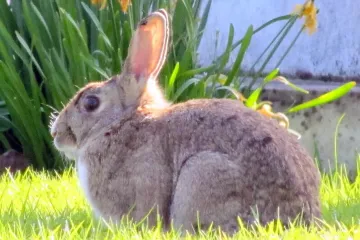
Where deer often leave asters alone, the story with rabbits is sometimes less clear-cut, often leading to more confusion among home gardeners. While some general plant lists include asters among those safe from rabbits, [6] anecdotal evidence suggests rabbits can, and sometimes do, consume them. [7] Specific forum discussions indicate that rabbits have indeed been observed feeding on asters. [5] This suggests that a plant deemed safe by one source might be a lunchtime special for a rabbit in another garden setting. [5][7]
If you are dealing with persistent rabbit pressure, relying solely on an aster’s generalized resistance label might not be enough to secure your blooms. This difference in observation between deer and rabbits highlights an important distinction in wildlife management: deer are typically browsers looking at height, while rabbits are close-to-the-ground grazers who may consume lower foliage or new spring growth that deer overlook. [2][7]
# Specific Varieties
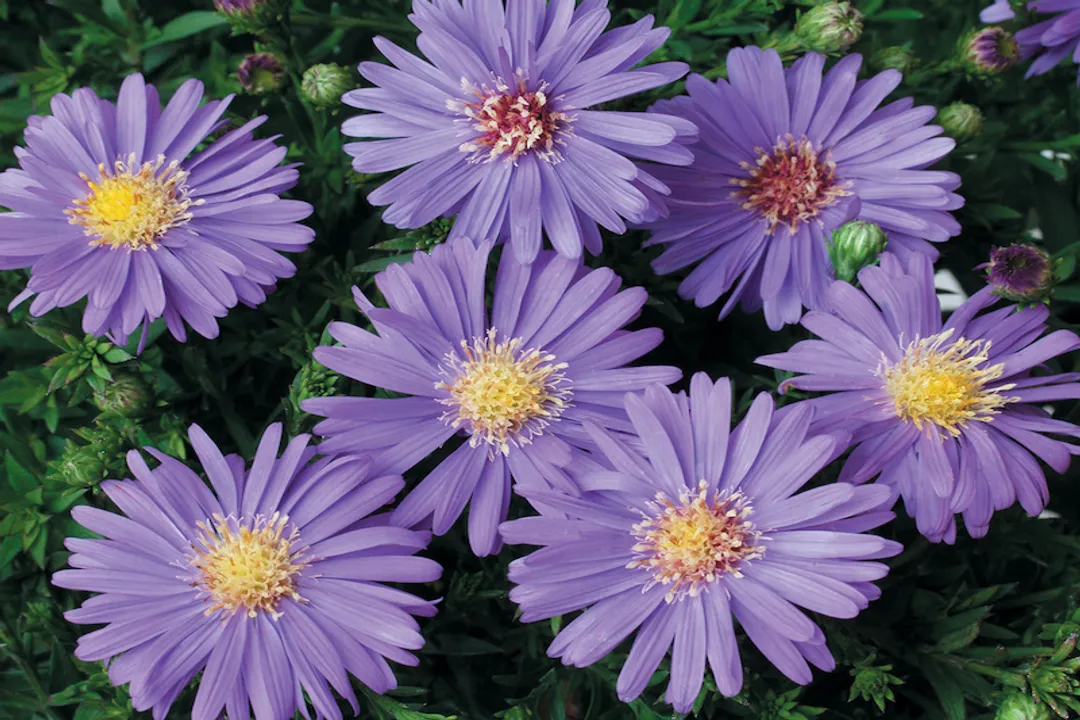
When seeking the most reliable protection, focusing on specific aster types mentioned in horticultural literature provides a clearer path. One variety that frequently surfaces as being durable against both grazers is the Aromatic Aster (Symphyotrichum lanceolatum). [3][4] This particular type is often specifically touted as being both deer and rabbit resistant. [3] Its resistance is linked to its aromatic qualities, which may be the very characteristic that deters deer and rabbits alike. [4]
For the gardener in a high-pressure area, prioritizing known robust varieties like Aromatic Asters offers the best starting point. [3][4] When you are comparing potential purchases, look closely at the species name; a general label of "Aster" might not provide the same protection as selecting a cultivar known for its defensive characteristics. [3]
# Resistance Dynamics
It is helpful to view resistance not as a chemical defense system, but as a gradient of preference influenced by context. Deer resistance, for instance, is often related to the plant's strong scent or flavor, making them turn away initially. [2][4] If a garden lacks alternatives—say, a newly planted landscape before other vegetation has matured—the deer’s calculus changes entirely. A five-star resistant plant might suddenly become the only available meal. [2] Therefore, a plant that thrives untouched for three seasons might suddenly suffer damage in a fourth if environmental conditions shift the local food supply.
Another factor in this inconsistency relates to the age and growth stage of the aster itself. Young, tender spring growth on any perennial is generally more appealing to herbivores than mature, woody, or established foliage. [5] A small, succulent aster seedling is an easy snack for a rabbit, even if the established, robust plant a few feet away is ignored. [5] Observing when the damage occurs—early spring versus late summer—can help pinpoint the culprit based on what stage of growth is being targeted.
# Garden Strategy
For gardeners aiming to incorporate asters while keeping their landscape intact, an active testing approach can be quite informative. Instead of relying solely on published lists, try integrating different varieties strategically. Place the most highly recommended types, such as the Aromatic Aster, closer to high-risk areas or viewpoints where browsing is commonly observed. [3][4] Simultaneously, plant less-proven varieties further back in established beds where other, more palatable options exist. [2]
If you suspect rabbits are the primary culprits, consider the immediate surrounding environment. Rabbits prefer areas with dense cover nearby where they can quickly retreat. [7] If you notice damage on your asters, experiment with physical barriers on those specific plants during the early spring growing season when rabbits are most active. A small cylinder of chicken wire or plastic mesh placed loosely around tender new growth can act as a temporary shield until the plant gains enough height and maturity to potentially deter smaller grazers on its own. [5]
# Supporting Wildlife
Beyond the pest management aspect, it is worth noting the positive contribution these plants make regardless of herbivore browsing. Asters are incredibly valuable for pollinators, especially butterflies seeking late-season nectar. [4] Even if you lose a few leaves or tips to an unexpected visitor, the ecological benefit provided by allowing asters to bloom far outweighs the mild aesthetic damage for many committed native gardeners. [4] Focusing protection efforts on the blooms themselves, rather than every single leaf, can be a pragmatic compromise.
#Videos
Plan Ahead for Deer Resistant Gardening | Purple Asters!
Related Questions
#Citations
Asters that do not get eaten by rabbits/deer?
Are Asters Deer Resistant?
A deer and rabbit resistant aster! - Green Haven Farm
Aromatic asters are deer-and rabbit-resistant but attractive to ...
Deer and rabbit resistant perennials - Page 4
Rabbits like asters too?
Deer and Rabbit Resistant Plants
Plan Ahead for Deer Resistant Gardening | Purple Asters!
flowers that deer and rabbits do not eat