How do I keep rabbits from eating my asters?
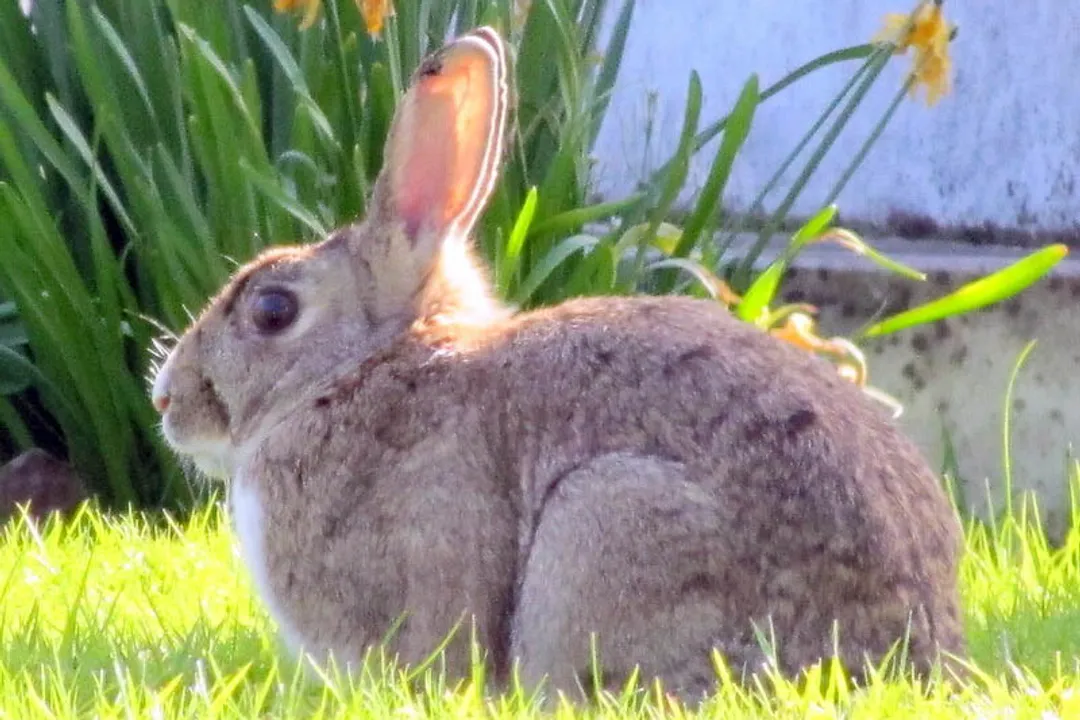
It is a frustrating experience for any gardener to watch a cherished plant, like a vibrant aster, reduced to stubble overnight by an uninvited guest. Unfortunately, the evidence suggests that asters are indeed on the menu for local rabbit populations. [1][5] Gardeners have noted their asters being severely damaged, sometimes completely eaten down to the ground level. [1] This preference isn't unique; rabbits are generalist herbivores, and while they may favor certain tender shoots, they will readily sample a wide variety of garden favorites, including the very asters you are trying to protect. [5] Understanding why they target your specific patch of flowers is the first step toward effective defense, as their motivations are often driven by availability and the stage of their own local food supply.
# Why Asters
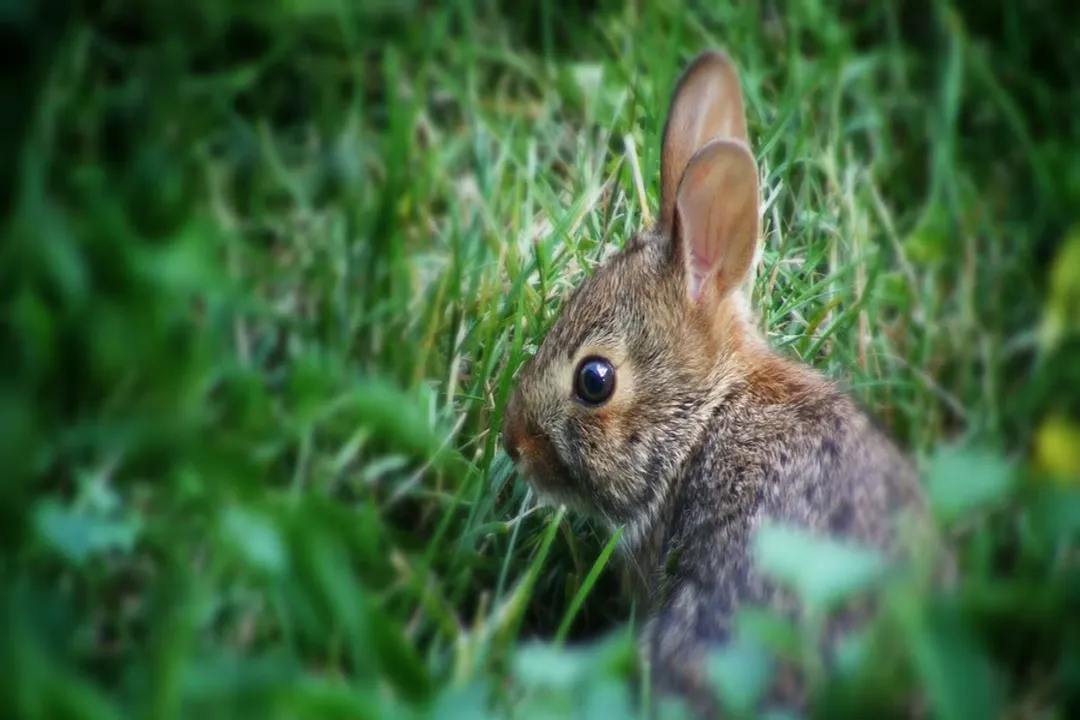
Rabbits are opportunists, and the desirability of asters likely hinges on their growth stage and the immediate environment. [4] New, tender growth tends to be much more appealing to rabbits than older, woodier stems. [4] When asters are young, actively putting out new leaves, or if they are situated near a favored browsing pathway, they become an easy, soft meal. [2][4] Furthermore, in early spring, when other natural forage might still be scarce or less palatable, newly emerging garden favorites become prime targets. [4] This vulnerability period is critical; if you can protect the aster during its initial establishment phase, its chances of survival increase significantly as it matures and becomes less tender.
# Stop Access
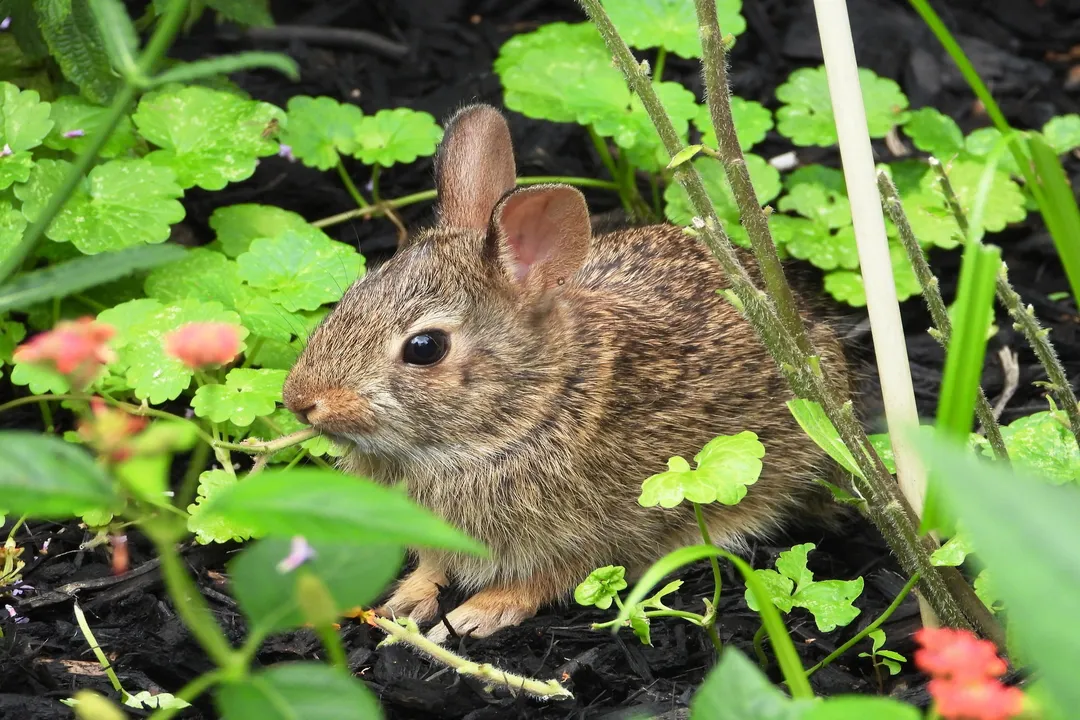
When dealing with determined garden visitors like rabbits, physical exclusion remains the most reliable, albeit sometimes labor-intensive, solution. [2][9] Barriers work because they physically prevent the rabbit from reaching the plant, removing temptation entirely. [4]
# Caging Young Plants
For individual, newly planted asters, creating a small, individual cage is highly effective. [2] The material of choice is often something sturdy enough to resist chewing and pressure, such as hardware cloth or chicken wire. [2][4] These materials should be formed into a cylinder around the plant. [2] When installing these temporary cages, ensure they extend below the soil line or are firmly anchored so the rabbit cannot simply dig underneath them to access the roots or lower stems. [4] For young, developing asters, plastic mesh cylinders can also offer protection, though these must be monitored to ensure they do not restrict the plant's growth as it thickens. [4]
# Fencing Strategies
If the problem affects a larger section of your garden where asters are planted in groups, a perimeter fence might be necessary. [9] A fence intended to exclude rabbits needs to be low enough to the ground and ideally buried slightly, as rabbits can squeeze through small gaps. [9] Standard advice suggests fencing should be at least two feet high, but critically, it should either slope outward slightly or be buried six inches into the soil to prevent an easy burrow underneath. [9] A general rule of thumb for effectiveness, comparing effort to result, often favors smaller, targeted caging for a few treasured plants over an extensive, fully buried perimeter fence, especially in larger garden plots.
A practical consideration for fence design, especially in areas with heavy snow cover, is the potential for rabbits to reach plants from above once snow accumulates. In these regions, a higher fence or a structure with an overhanging top might be needed to maintain protection during winter months.
# Smell Deterrents
When physical barriers are impractical or unsightly for the desired aesthetic, chemical or odor-based repellents offer an alternative layer of defense. [2][9] These methods rely on making the aster taste or smell unpleasant to the rabbit, encouraging them to browse elsewhere. [2]
# Homemade Options
Many gardeners turn to strong, pungent materials readily available around the home or garden center. Materials like blood meal or bone meal can be scattered around the base of the plants. [2] The strong odor acts as a deterrent, though their effectiveness is often short-lived, requiring frequent reapplication, especially after rain or heavy watering. [2] Predator urine, if sourced ethically or purchased commercially, can also introduce a scent that suggests danger to the rabbit, though this too requires reapplication. [2]
# Commercial Products
For a more consistent application, commercial repellents are available. [9] These products often contain ingredients specifically formulated to be distasteful or irritating to rabbits without harming the plants or the local ecosystem significantly, provided you follow the label instructions. [9] The key difference between commercial sprays and homemade granular options is coverage; sprays can coat the leaves directly, offering immediate topical protection, while granular materials primarily rely on soil odor. [2][9]
# Companion Defense
An often-cited strategy involves planting materials that rabbits naturally avoid near the vulnerable asters. This relies on the rabbit's keen sense of smell to decide against investigating the area. [8]
# Plants Rabbits Avoid
Several plants are commonly listed as rabbit-resistant, and strategically placing these around your asters can create a "buffer zone". [8] This approach merges pest control with landscape design, adding visual interest while simultaneously protecting the target crop. Plants commonly cited as rabbit repellents include fragrant herbs like rosemary or mint, as well as certain ornamental varieties that possess fuzzy or strong-smelling foliage. [8]
For instance, while you are cultivating your asters, incorporating groupings of plants known for their strong essential oils—such as lamb's ears (Stachys byzantina), which is very fuzzy, or ornamental grasses—might make the immediate vicinity less inviting to browsing rabbits. [8] When comparing this to other methods, companion planting requires the least active daily maintenance once the plants are established, but it demands forethought during the initial design phase and may not offer complete protection if the rabbit population is extremely hungry or desperate. [8]
| Deterrence Type | Primary Mechanism | Maintenance Frequency | Effectiveness Level |
|---|---|---|---|
| Physical Caging | Exclusion | Low (seasonal checks) | High [2][4] |
| Odor Repellents | Taste/Smell Aversion | High (post-rain/weekly) [2][9] | Medium [2] |
| Companion Planting | Scent Masking | Low (once established) [8] | Variable [8] |
# Sustained Control
Effectively keeping rabbits away from asters is rarely about a single, perfect solution; it is usually about layering multiple methods to increase the odds against them. [2] A gardener might install a temporary chicken wire cylinder around a new aster seedling (high effectiveness) while also scattering bone meal around the base (medium effectiveness) until the plant grows large enough that its stems are less palatable. [2][4]
Another crucial aspect of sustained control involves timing. Rabbits are typically most active during the dawn and dusk hours. [4] Knowing this allows for targeted applications of temporary deterrents or increased vigilance during these peak foraging times. If you notice damage occurring consistently in a specific area of your yard, investigate that pathway for easy entry points or lack of alternative food sources; rabbits will often take the path of least resistance. [6] If they have burrowed under a shed or deck nearby, simply protecting the garden area might not be enough—you may need to block access to their shelter as well. [6]
When an aster is damaged, cleaning up the debris is important. Leaving chewed-off portions on the ground might attract pests or signal to other rabbits that this area is a reliable food source. [4] Continuous monitoring is essential, especially after any major weather event, as it can wash away repellents or cause minor shifts in physical barriers, creating new entry points. [2] By combining physical protection during establishment, odor management for a short period, and smart landscape choices, you significantly reduce the likelihood that your beautiful asters will end up as a rabbit snack.
#Videos
Use This Simple Trick To Stop Rabbits From Eating All Your Plants
Related Questions
#Citations
I think a rabbit or a deer ate my aster to the ground - Reddit
How to stop bunnies from eating your pollinator garden
Protecting asters from rabbits and squirrels - Facebook
[PDF] Protecting Your Native Landscape from Rabbits
Rabbits like asters too? - Houzz
Rabbits - Missouri Botanical Garden
Use This Simple Trick To Stop Rabbits From Eating All Your Plants
45 Plants That Repel Rabbits - Gardenia.net
How to Stop Rabbits from Ruining Your Garden, According to Experts