What do Uinta ground squirrels eat?
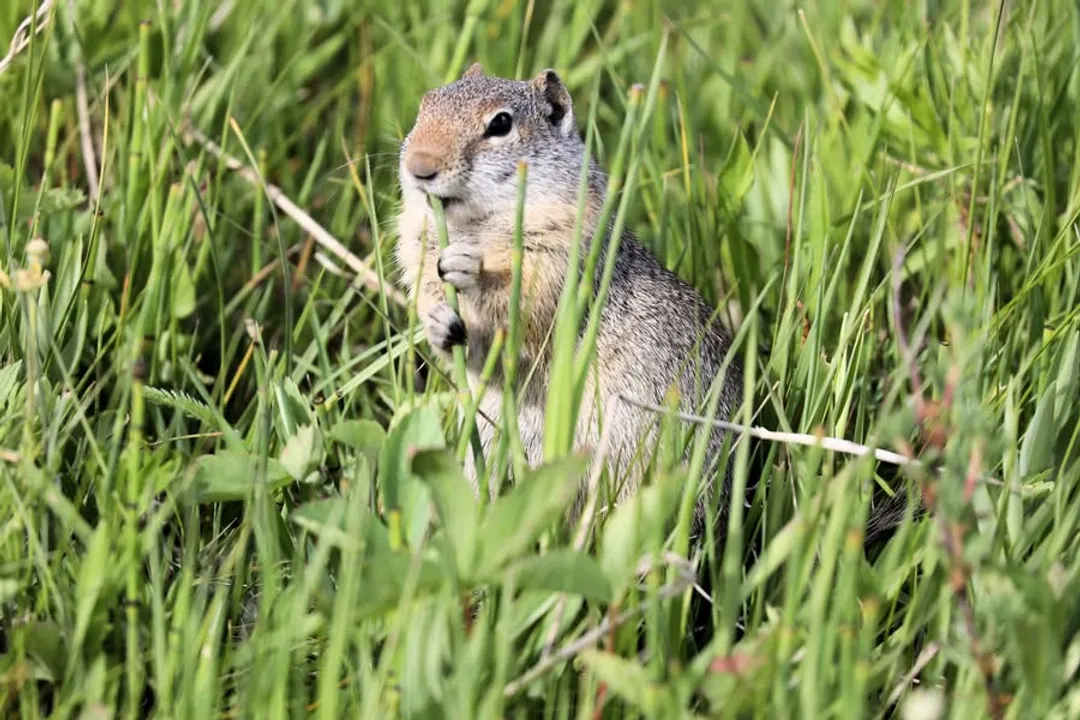
The Uinta ground squirrel, Urocitellus armatus, is a common fixture across the high-elevation mountain landscapes where they make their extensive burrow systems. While they are immediately recognizable as busy residents of meadows and open slopes, understanding exactly what sustains them reveals a complex feeding strategy well-suited to the short, intense growing seasons of the intermountain West. They are fundamentally herbivores, but their diet is sufficiently broad to earn them the classification of being omnivorous opportunistic feeders.
# Plant Staples
The bulk of the Uinta ground squirrel's sustenance comes directly from the vegetation surrounding their colonies. This includes a significant intake of grasses, which they clip and consume readily while foraging in the open. Beyond grasses, their diet heavily relies on various species of forbs—the non-woody flowering plants common in these habitats. Furthermore, they will dig for subterranean resources, consuming roots when available. The selection of which plants to prioritize shifts based on availability throughout the short summer season. Early in the active season, tender green shoots and leafy matter dominate, providing necessary hydration and quick energy.
# Opportunistic Meat
While plants form the foundation of their nutritional needs, Uinta ground squirrels are not strictly vegetarian. They supplement their intake with animal matter when the opportunity arises. This usually involves consuming insects, which offer a concentrated source of protein, particularly valuable during periods of high growth or before the onset of hibernation. Even more telling of their opportunistic nature is the documented consumption of carrion—the remains of other animals. This scavenging behavior suggests a highly flexible approach to securing necessary nutrients when plant matter might be scarce or less calorically dense.
# Foraging Style
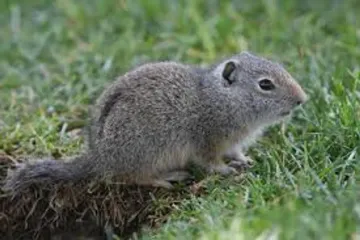
Uinta ground squirrels are adapted to forage actively and keep a lookout for danger simultaneously. Observers often report seeing these squirrels sitting upright, perhaps near their burrow entrance, while they consume grasses or seeds they have gathered. This behavior blends feeding efficiency with vigilance, which is essential given the number of predators common to their habitat. When they find a good patch of food, they will often feed on-site rather than transporting large quantities back to their dens, though cheek pouches are certainly used for moving smaller, preferred items like seeds.
# Dietary Density
It is interesting to consider how the availability of food dictates the nutritional strategy across the active months. During the peak growing season in the mountains, when water is abundant and plant matter is lush, the squirrels can afford to eat large volumes of high-moisture grasses and forbs. However, as the season progresses and the threat of winter dormancy nears, their feeding shifts toward high-energy density items, primarily seeds and stored roots. This transition from a bulk-feeding strategy in summer to a focused, high-caloric intake strategy later in the year is a critical survival mechanism dictated by the short alpine growing window. A squirrel that fails to maximize seed intake before the first hard frost is significantly less likely to survive hibernation.
# Human Interface
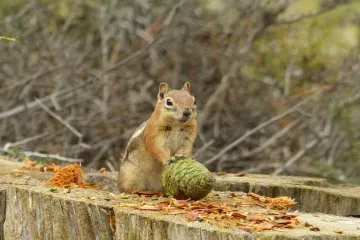
Because the Uinta ground squirrel thrives in areas adjacent to human development—such as campgrounds, meadows near trails, and open park areas—their dietary habits sometimes bring them into direct contact with people. Their natural tendency toward omnivory means they are drawn to any available, easy-to-access food source, whether it is dropped picnic scraps or accessible garden vegetables. While their wild diet focuses on native seeds and grasses, their boldness in disturbed habitats means they readily incorporate non-native or human-provisioned foods into their intake when present. For wildlife watchers, understanding this preference for accessible food sources is key to appreciating why they seem so common near busy areas, even though their true home range is the wild meadow. It is important to note that while they show an ability to consume a wide variety of items, including seeds from various grasses, their diet in pristine areas remains overwhelmingly plant-based, keeping them distinct from more generalized scavengers.
# Seasonal Variation
The timing of their feeding activity is intrinsically linked to their life cycle, most notably their long hibernation period. The entire period they are above ground—typically from late spring to early autumn—must be dedicated to heavy feeding to build up the necessary fat reserves. The availability of succulent green material dictates early-season foraging, but once those plants dry out or go to seed, the squirrels pivot their efforts to harvest those more energy-dense seeds. This dynamic means that a particularly dry summer, which reduces seed production, can have a disproportionately large negative effect on the population's ability to store enough body mass to survive the coming winter, making the success of their seed harvest a key indicator of long-term health for the local population.
Related Questions
#Citations
Uinta Ground Squirrel - Facts, Diet, Habitat & Pictures on Animalia.bio
Uinta ground squirrels' diet and behavior - Facebook
Uinta Ground Squirrel Facts & Photos - Wowzerful
[PDF] The Diet of the Uinta Ground Squirrel (Citellus ar.matus)
Urocitellus armatus | INFORMATION - Animal Diversity Web
Uinta Ground Squirrel in Yellowstone National Park
(species) ictidomys tridecemlineatus - Utah Field Guides
Adult Uinta Ground Squirrel Eating Grasses In The Wasatch Mountains