What plant part comprised the largest percentage of the Zokor diet by part, accounting for 54.60%?
Answer
Taproots
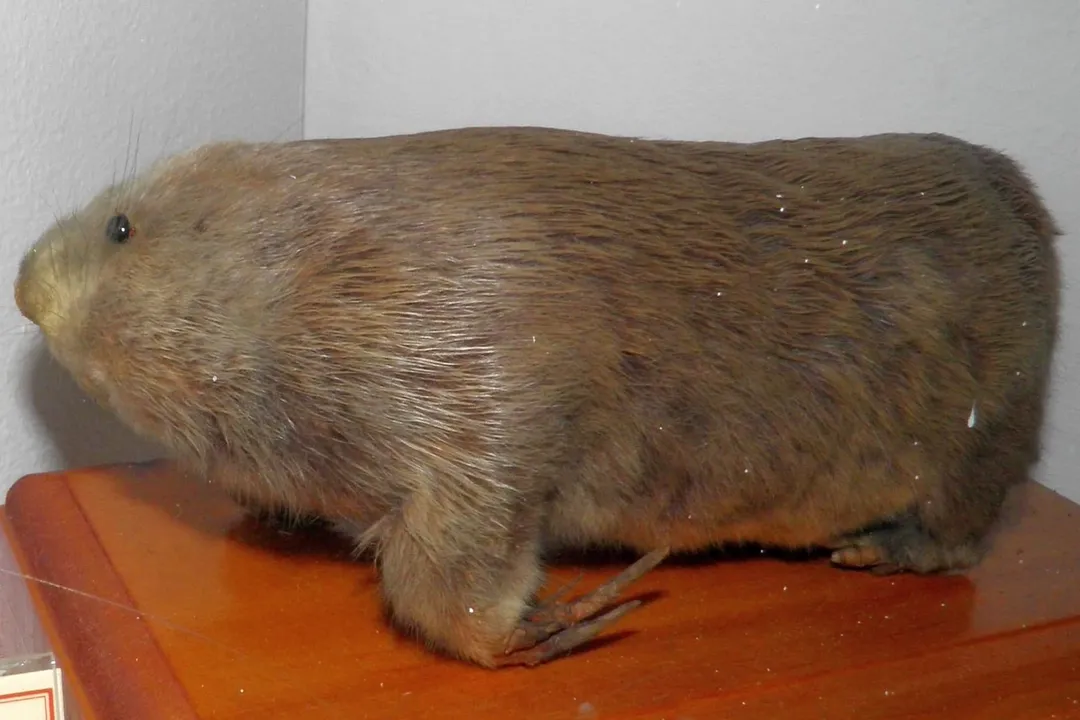
The energetic demands imposed by constant tunneling strongly push zokors to target food sources rich in stored energy and water, which are typically found underground. Analysis of stomach contents confirms this specialization, revealing that taproots are the most heavily consumed part, making up 54.60% of the total diet measured by part. Rhizomes follow as the second most important component at 26.41%. These underground storage organs, such as thick roots, provide the necessary concentrated carbohydrates, fats, and proteins needed to sustain their high physical activity levels.
Related Questions
What molecular technique is unlocking secrets about Zokors' diet by analyzing stomach contents?What general feeding type characterizes Zokors, supported by modern molecular studies?Which botanical family demonstrated a 100% Frequency of Occurrence (%FOO) in sampled Zokors?What plant part comprised the largest percentage of the Zokor diet by part, accounting for 54.60%?Which genus showed the highest Frequency of Occurrence at 84% in the Zokor diet analysis?What percentage of the Zokor diet's Relative Abundance (%RA) did the Poaceae (Grass Family) contribute?What unexpected material comprised 67% to 70% of the non-plant DNA sequences found in Zokor stomachs?Which genera did Zokors actively show a positive selection index for, indicating active choice over abundance?How does the Zokor's feeding habit function to potentially slow down the decrease in plant diversity?What unexpected non-plant DNA suggested ingestion of wolf waste encountered during subterranean activity?