Zokor Diet
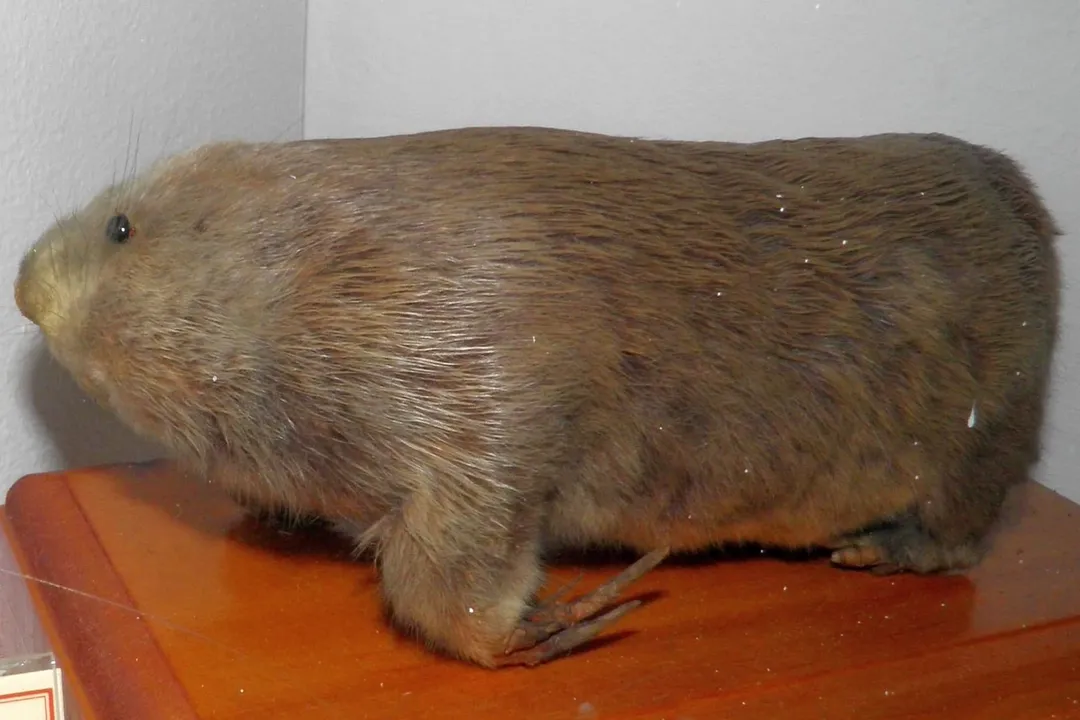
Zokors, those fascinating, mole-like rodents endemic to East Asia, present a unique challenge to researchers interested in their eating habits. Because they spend the vast majority of their lives deep underground, excavating complex tunnel networks that can stretch for hundreds of feet, observing their foraging is nearly impossible. This subterranean existence, coupled with the high energy demands required for constant digging—especially in hard soil—means their diet is crucial to their survival and impacts the ecosystems they inhabit. Traditionally, understanding what they consumed relied on examining stored food caches or limited observation of captive animals, methods prone to seasonal or diversity bias. The advent of DNA metabarcoding, however, has begun to unlock the secrets held within their stomachs, revealing a surprisingly rich and particular diet.
# General Feeding Type
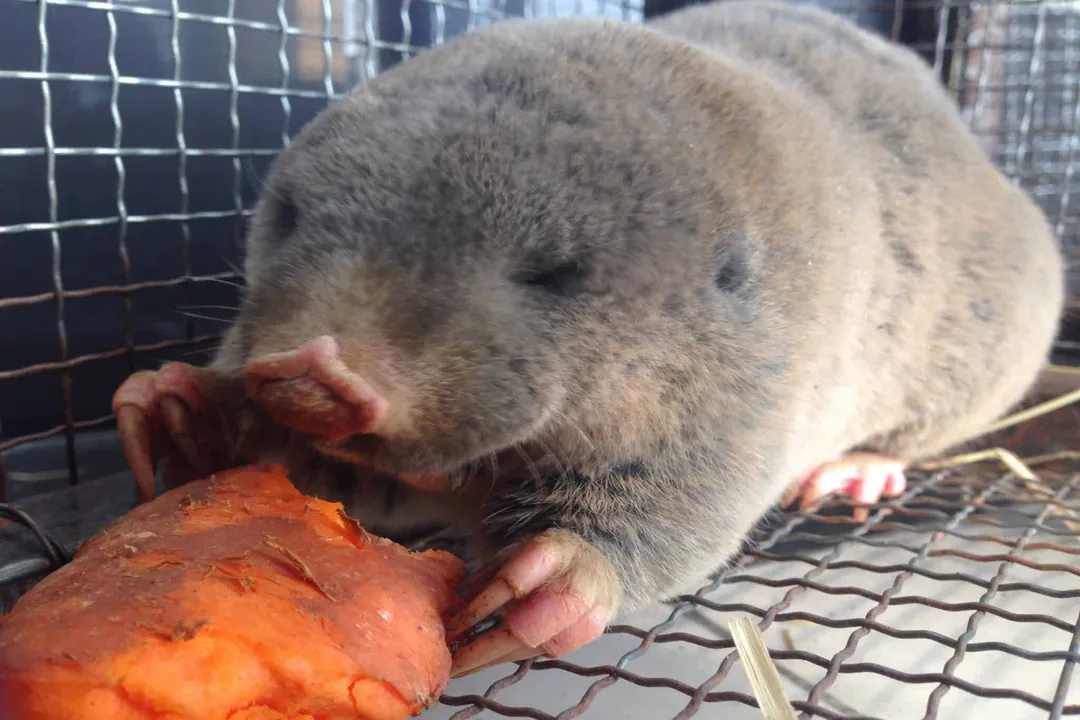
The general consensus, supported by modern molecular techniques, is that zokors are overwhelmingly herbivorous. More specifically, studies suggest they function as food generalists. This term, while sounding broad, takes on a specific meaning when applied to an animal whose primary mode of sustenance gathering is tunnel excavation rather than surface foraging. They must consume almost any edible material they encounter while digging, which necessitates eating a wide variety of available food species.
# Key Food Families
Research analyzing the stomach contents of species like Eospalax smithii and Eospalax cansus using high-throughput sequencing (HTS) has clarified the hierarchy of their food preferences. By assessing both the Relative Abundance () and the Frequency of Occurrence ()—the percentage of zokors that ate that item—a clear picture emerges of their staple foods.
At the family level, two groups are utterly dominant:
- Asteraceae: This family showed an astounding $100%$ FOO, meaning every single zokor sampled had consumed something from this group. It also accounted for the largest share of the diet by volume, with a of $38.16%$.
- Poaceae (Grass Family): Close behind, Poaceae had a $96%$ FOO, and contributed $22.52%$ to the relative abundance.
Following these leaders, other significant botanical families included Rosaceae, Pinaceae, Brassicaceae, and Apiaceae. The strong correlation between high and $100%$ FOO for Asteraceae suggests that this family represents a non-negotiable staple, likely containing the most reliably accessible and nutritious underground structures in their habitat. Conversely, while a plant part might have a high overall, its lower FOO suggests it might be a seasonal super-producer that some individuals heavily relied on, but not all sampled zokors consumed it.
# Preferred Genera
Drilling down to the genus level offers a finer view of their culinary choices. The genus Artemisia displayed the highest Frequency of Occurrence at $84%$, indicating it is almost universally found in the diet. However, the highest Relative Abundance belonged to Echinops at $14.45%$.
Other genera that featured prominently in the diet across the sampled population included:
- Littledalea
- Cirsium
- Elymus
- Picea (a tree genus, likely consumed for roots or early shoots)
When looking at the selectivity index, which compares what they ate versus what was available in the environment, the pattern becomes fascinating. Zokors showed a positive selection for several genera, including Echinops, Cirsium, Medicago, and members of the grass family (Poaceae). They were actively choosing these resources, which made up about $53.22%$ of their measured diet, despite only constituting about $21.87%$ of the total plant biomass found in the area survey. Interestingly, genera that were widely distributed, like Elymus, Leymus, Artemisia, and Convolvulus, represented a much larger chunk of the habitat's plant resources ($74.15%$) but accounted for a comparatively smaller portion ($16.43%$) of the zokor’s actual intake, suggesting they were not simply eating everything in sight.
# Underground Focus
The energetic cost of tunneling mandates that zokors target food sources rich in stored energy and water, which are overwhelmingly found underground. The study of stomach contents confirms this focus, revealing that zokors primarily consume the taproots ($54.60%$ of the diet by part) and rhizomes ($26.41%$ of the diet by part).
This specialization for underground storage organs—structures like tubers, bulbs, and thick roots—is key because they provide concentrated energy reserves like carbohydrates, fats, and proteins, which are vital for supporting sustained physical activity. For example, the roots of plants like dandelion contain significantly more carbohydrates than their above-ground parts. Furthermore, food caches discovered in their burrows, particularly during autumn, were found to consist almost entirely of these underground asexual parts of plants. This contrasts slightly with findings for the plateau zokor (Eospalax baileyi), whose caches sometimes included aerial parts, suggesting seasonal or regional differences in behavior, though the sampled species in this particular study seemed strictly focused on subterranean food sources in the fall.
# Generalist Strategy Nuances
Zokors are sympatric with closely related species, such as E. smithii and E. cansus, and the research indicated a high degree of dietary overlap between them. This suggests that, within the constraints of their habitat, competition for resources may be fierce, yet they are not completely specialized. While E. cansus showed slightly higher diet diversity, the overall lack of significant difference in niche breadth between the two species hints at strong resource sharing. A crucial analytical point to consider is what "generalist" means for a creature confined underground: it likely implies consuming the diverse root structures encountered across their expansive tunnel networks rather than the broad-spectrum selection seen in surface grazers that can actively choose between different fields or patches of vegetation. The subterranean existence imposes physical constraints—high excavation costs—that force them to be opportunistic about what they find beneath the soil line.
# Incidental Consumption
The DNA analysis, while extremely effective, also picked up material that was likely not intentionally eaten as a primary food source, which is a common caveat in molecular diet studies.
The sequencing results showed a notable presence of Fungi DNA (around $67%$ to $70%$ of non-plant sequences). Since zokors consume plant roots, they are inevitably ingesting associated fungi, such as endophytic or common plant pathological fungi residing on or within the roots. This is an unavoidable byproduct of their feeding method.
Perhaps more surprisingly, DNA from Canis (dogs/wolves) was detected. Given that zokors rarely surface, where predators like raptors hunt, this finding strongly suggests ingestion of wolf feces (Canis lupus) encountered while the zokors were digging or foraging near the surface. This highlights how subterranean activity can lead to unexpected dietary inclusions from non-prey sources.
# Ecosystem Impact
Zokors are frequently categorized as agricultural or forestry pests because they gnaw on the roots of planted trees and consume crops. In areas where afforestation projects are underway, root damage is a major concern.
However, their role is complex. By feeding heavily on the asexual, reproductive parts of perennial herbs, zokors may actually interrupt the clonal propagation of dominant species. This action can alleviate the pressure these dominant species exert, potentially slowing down the decrease in overall plant diversity caused by factors like nitrogen deposition, thus acting as an ecosystem engineer. They aerate the soil and facilitate water penetration through their extensive burrowing, which benefits the ecosystem when their density is naturally regulated. The data suggests that the greatest harm occurs only when population density is excessively high, leading to intraspecific or interspecific competition forcing them onto less preferred or protected resources, such as the netted roots of trees. A balanced management approach might therefore involve protecting key local tree species while allowing a certain density of zokors to persist to maintain meadow community composition.
Related Questions
#Citations
Zokor Animal Facts - A-Z Animals
DNA metabarcoding uncovers the diet of subterranean rodents ... - NIH
Zokor | Burrowing, Nocturnal & Endemic Species | Britannica
ZOKORS: CHARACTERISTICS, BEHAVIOR, DIET, BURROWS
DNA metabarcoding uncovers the diet of subterranean rodents in ...
Chinese zokor - Facts, Diet, Habitat & Pictures on Animalia.bio
Venn diagram of zokor diet a and b show the food species of the ...