What physiological adaptations help bandicoots survive in Australia’s hot and dry climates?
Answer
Low body temperature and a low basal metabolic rate.
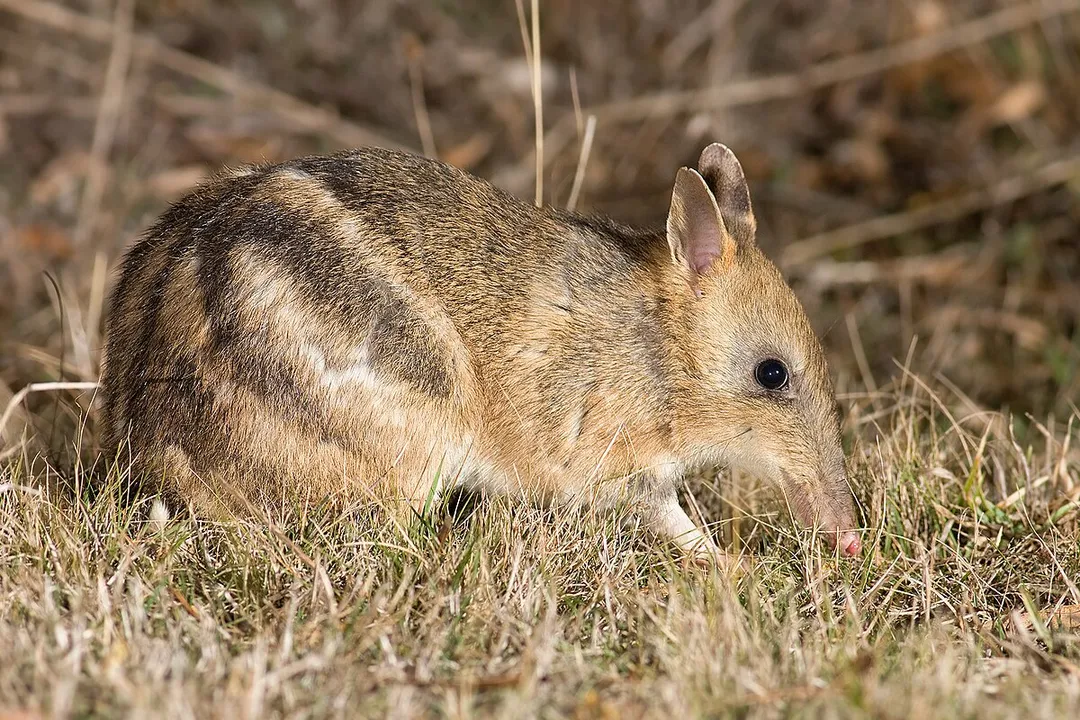
To cope successfully with the often challenging environmental conditions found in Australia, characterized by heat and dryness, bandicoots have evolved specific internal physiological mechanisms. A key aspect of this adaptation is maintaining a low body temperature coupled with a low basal metabolic rate (BMR). By keeping their internal energy expenditure and core temperature lower than many other active mammals, they reduce the physiological stress associated with heat load and minimize the water loss associated with higher metabolic processes, allowing them to persist in resource-scarce environments.
#Videos
What Are The Unique Features Of Bandicoots?
Related Questions
Why does the female bandicoot's pouch open rearward?What is the function of syndactyly in bandicoot hind digits?Which placental feature, unusual for marsupials, aids the bandicoot's short gestation?What signature sign is left behind when bandicoots excavate the soil for sustenance?What sound does a startled bandicoot emit when leaping high into the air?How do bandicoots function as critical ecosystem engineers in forests and woodlands?What physiological adaptations help bandicoots survive in Australia’s hot and dry climates?What term describes the bandicoot's diet of invertebrates, roots, fungi, and fruit?How do male bandicoot territory sizes generally compare to female territories?What natural deterrents do bandicoots generally dislike when found in a backyard setting?