What key nutritional components are lacking in an exclusively suet diet compared to natural foraging?
Answer
Calcium and specific micronutrients found in insect exoskeletons and wild fruits
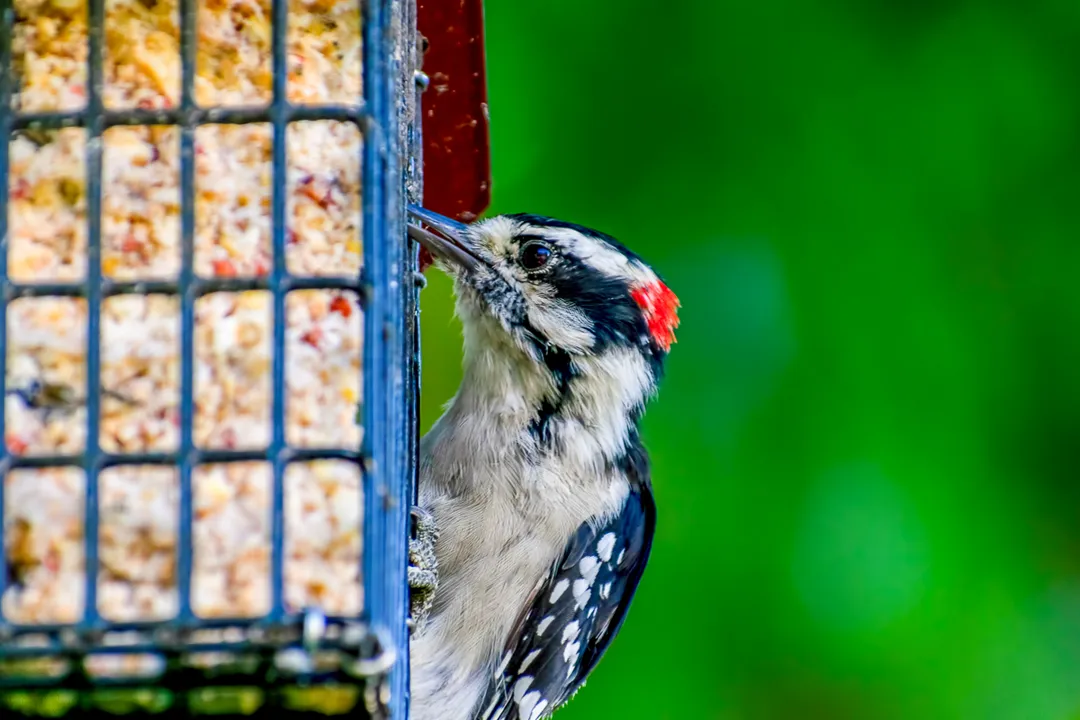
While suet provides an exceptional energy boost due to its high fat content, making it vital during harsh weather, it does not constitute a complete nutritional replacement for a natural, year-round foraging regime. A primary limitation of an exclusive suet diet is the absence of critical minerals and micronutrients. These essential elements are naturally obtained when the birds consume the exoskeletons of various insects and consume a diverse array of wild fruits and nuts. Therefore, reliance solely on suet can lead to deficiencies in calcium and other specific micronutrients required for overall long-term health and proper physiological function.
Related Questions
Which insect group shows a pronounced preference for the Pileated Woodpecker?What design purpose does the woodpecker employ its specialized, barbed tongue for?Besides carpenter ants, what wild fruit is the Pileated Woodpecker known to consume?How do sapsuckers typically encourage sap flow for consumption?What differentiates the probing method from drilling in woodpecker foraging?Which high-fat offering is highly attractive to many species, including the Downy Woodpecker, at feeders?What characterizes the generalized diet of the Golden-fronted Woodpecker?What key nutritional components are lacking in an exclusively suet diet compared to natural foraging?How does the prey targeted by the Downy Woodpecker typically compare to that of the large Pileated Woodpecker?Besides territorial communication or attracting a mate, what secondary purpose can drumming serve for woodpeckers?