What key difference in distribution separates *C. capucinus* from *C. imitator*?
Answer
*C. capucinus* has a more easterly distribution, while *C. imitator* is generally found in western Central America
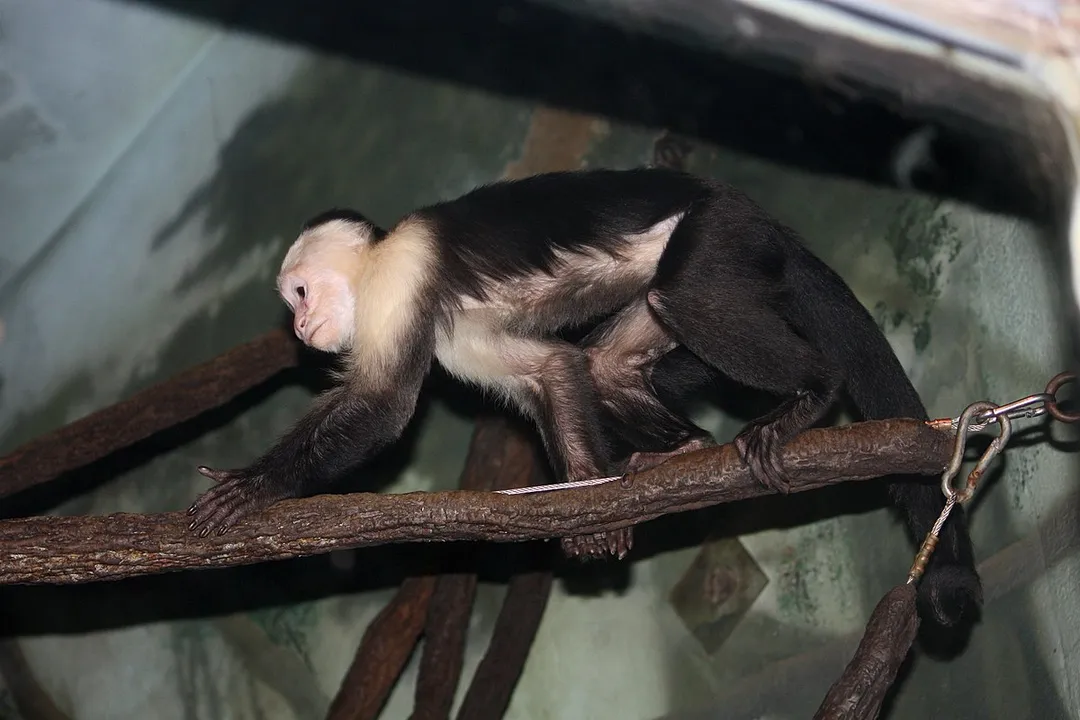
Geographic separation plays a critical role in delineating the species boundaries between these two closely related white-faced capuchins. *Cebus imitator* is primarily associated with the western regions of Central America, specifically including Costa Rica and parts of western Panama. In contrast, *Cebus capucinus* maintains a distribution that tends toward the eastern side of that geographical area, extending into Colombia and Ecuador. While these lines are subject to ongoing refinement, this general easterly versus westerly demarcation is a primary cue used to distinguish populations based on location.
Related Questions
What physical traits characterize membership in Class Mammalia for *Cebus capucinus*?What infraorder distinguishes New World monkeys, including capuchins, from Old World monkeys?Which family groups *Cebus capucinus* with squirrel monkeys and separates them from spider monkeys?What is the IUCN conservation status generally assigned to *Cebus capucinus*?What specific morphological feature distinguishes *Cebus capucinus* based on its descriptive name?What recent taxonomic change elevated *Cebus imitator* from a subspecies to a distinct species?Which primate suborder groups capuchins with humans, apes, and tarsiers, separating them from lemurs?What key difference in distribution separates *C. capucinus* from *C. imitator*?How does the intelligence and tool use of *Cebidae* members compare to *Atelidae* members?What is the evolutionary significance of recognizing subspecies within *Cebus capucinus*?