What is the ecological significance of the Ring-billed Gull's scavenging behavior regarding nutrient cycling?
Answer
They process organic waste that might otherwise accumulate in aquatic and riparian zones
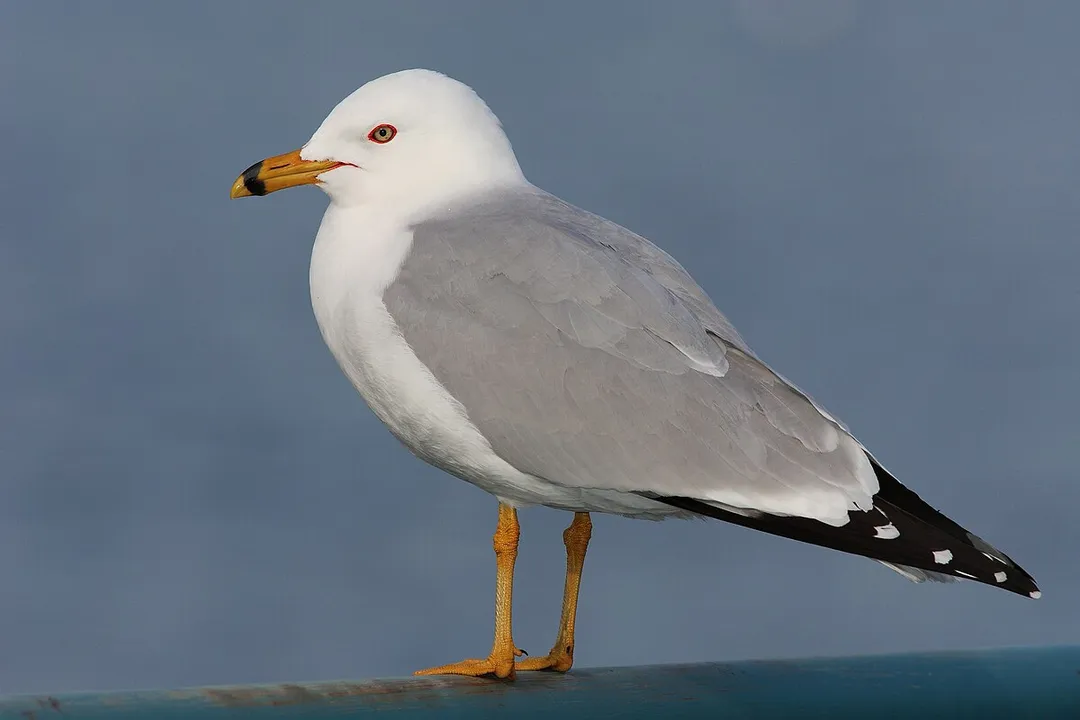
By consuming vast amounts of refuse, the gull acts as an ecological filter, processing organic waste and thus assisting in the regulation of nutrient cycling near waterways and landfills.
Related Questions
What key characteristic allows the Ring-billed Gull to adapt to numerous environments across the continent?Which specific behavior is noted when Ring-billed Gulls forage near water to uncover smaller prey hidden in the substrate?What nickname has the Ring-billed Gull received due to its feeding habits near human establishments?What type of terrestrial invertebrate is frequently cited as a food item for gulls foraging on damp ground?How do Ring-billed Gulls in the western United States often differ in their primary sustenance compared to inland populations?What are the identified aquatic invertebrates consumed by the Ring-billed Gull?What is the approximate speed Ring-billed Gulls can reach in flight to catch insects directly out of the air?What specific insect prey species are mentioned as being part of the gull's terrestrial diet?When feeding communally in large, non-breeding groups, what physical spacing do these gulls typically maintain between individuals?What is the ecological significance of the Ring-billed Gull's scavenging behavior regarding nutrient cycling?Which fish species are specifically listed as forming a significant part of their intake in certain regions?