What functional outcome of the *Carnivora* lineage explains why Welsh Terriers love to dig and chase small running animals?
Answer
Strong prey drive
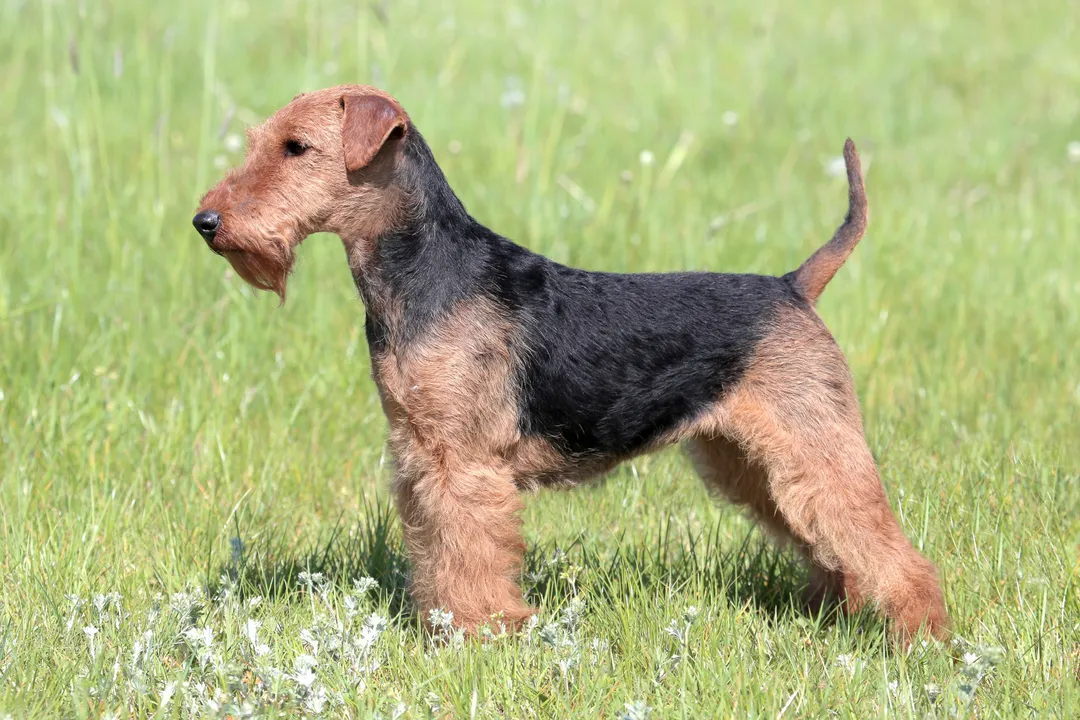
The persistence of a strong prey drive in the Welsh Terrier is a direct behavioral manifestation of its biological classification within Carnivora and its historical working role. This drive, honed for independent hunting of vermin like fox and badger in rugged Welsh landscapes, translates into modern behaviors such as an intense desire to dig and chase small, running animals. Understanding this biological programming is key to successful training and managing the breed around small household pets.
Related Questions
What specific subspecies designation confirms the Welsh Terrier's status within Canis lupus?Which biological order reflects the Welsh Terrier's evolutionary history rooted in meat-eating?To which specific Group and Section does the Fédération Cynologique Internationale (FCI) assign the Welsh Terrier?What specific grooming process is required for the Welsh Terrier's dense, hard, wiry outer coat?What key trait defines the Welsh Terrier's position in the Class Mammalia, besides possessing hair or fur?Which breed, described as the 'King of Terriers,' shares ancestry with the Welsh Terrier?What functional outcome of the *Carnivora* lineage explains why Welsh Terriers love to dig and chase small running animals?To what Family grouping does the Welsh Terrier belong alongside wolves, foxes, and jackals?What was the Welsh Terrier developed to hunt underground in the mountainous regions of Wales?Which Kingdom classification indicates the Welsh Terrier is a multicellular, eukaryotic organism?