Yorkshire Terrier Scientific Classification
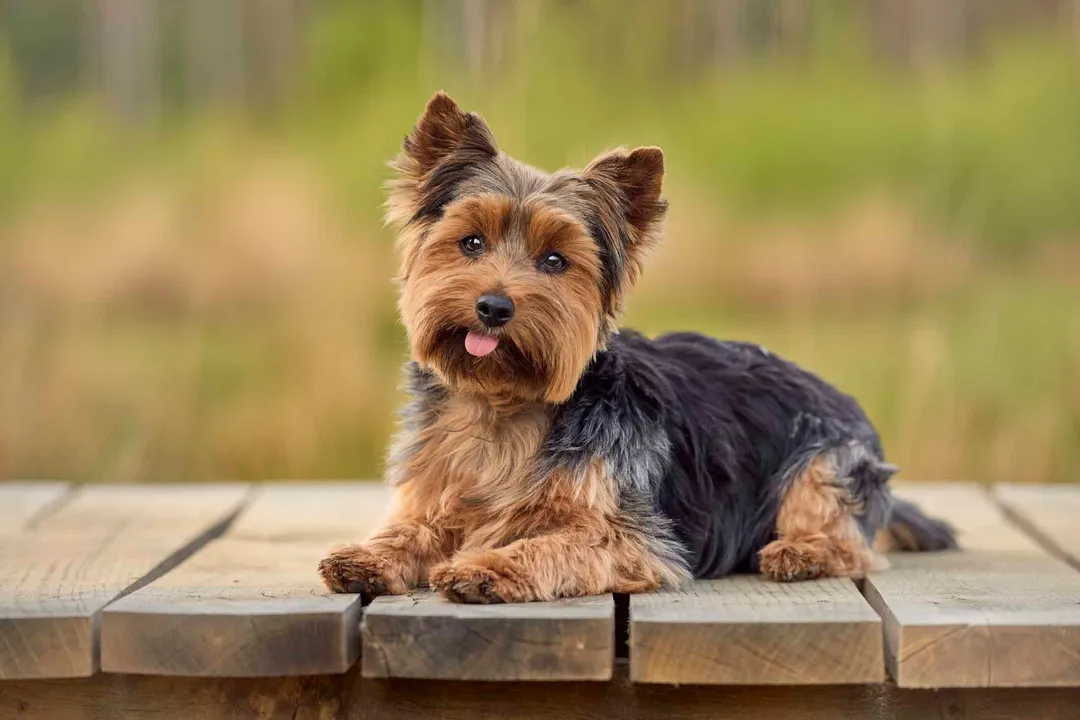
The small, spirited Yorkshire Terrier, often affectionately called a "Yorkie," is a fixture in homes worldwide, cherished for its big personality packed into a tiny frame. While we instantly recognize them by their silky, blue and tan coat, their place in the grand scheme of the natural world—their scientific classification—tells a much older and broader story than their Victorian English origins might suggest. Understanding where the Yorkie fits taxonomically reveals deep connections to their wild ancestors, even if their daily routine involves a plush bed rather than a hunt.[1][3][5]
# Ranks Defined
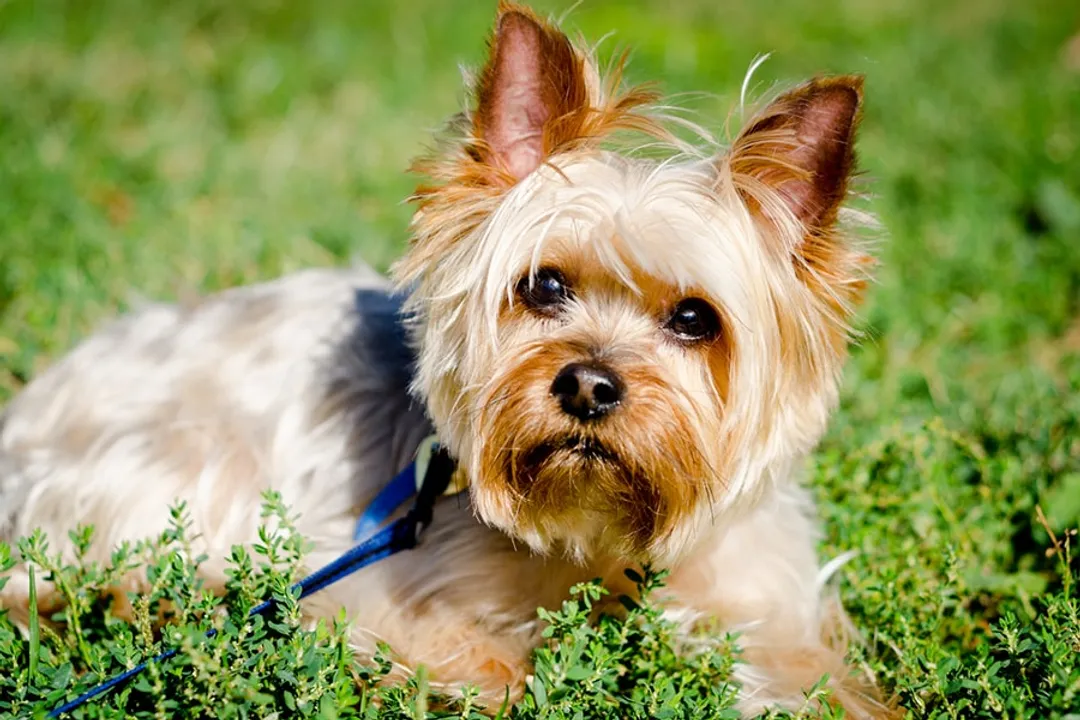
The Linnaean system, established by Carl Linnaeus, organizes life based on shared characteristics, moving from the most general category (Kingdom) down to the most specific (Species). For the Yorkshire Terrier, like all domestic dogs, this biological hierarchy provides a precise roadmap through biological history.[8]
| Rank | Classification |
|---|---|
| Kingdom | Animalia |
| Phylum | Chordata |
| Class | Mammalia |
| Order | Carnivora |
| Family | Canidae |
| Genus | Canis |
| Species | C. lupus |
| Subspecies | C. l. familiaris |
This hierarchy shows that while breed clubs might group the Yorkie with other small companions, its scientific positioning links it firmly with wolves and coyotes.[6][8]
# Kingdom Animalia
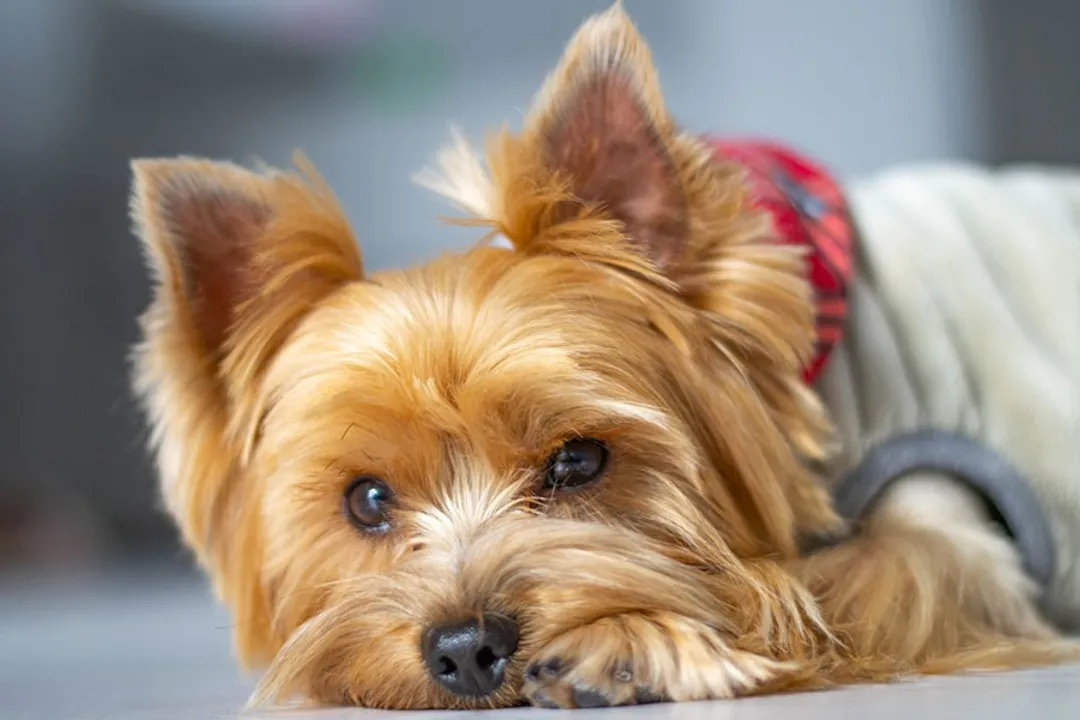
Starting at the broadest level, the Yorkshire Terrier belongs to the Kingdom Animalia. [8] This places the breed within the group of multicellular, eukaryotic organisms that must consume organic material, breathe oxygen, be able to move, and reproduce sexually. [2] This classification encompasses nearly everything we think of as an animal, from blue whales down to microscopic invertebrates, highlighting the fundamental biological similarity between a Yorkie and every other creature on the planet—they are all complex, mobile life forms.[2]

# Order Carnivora
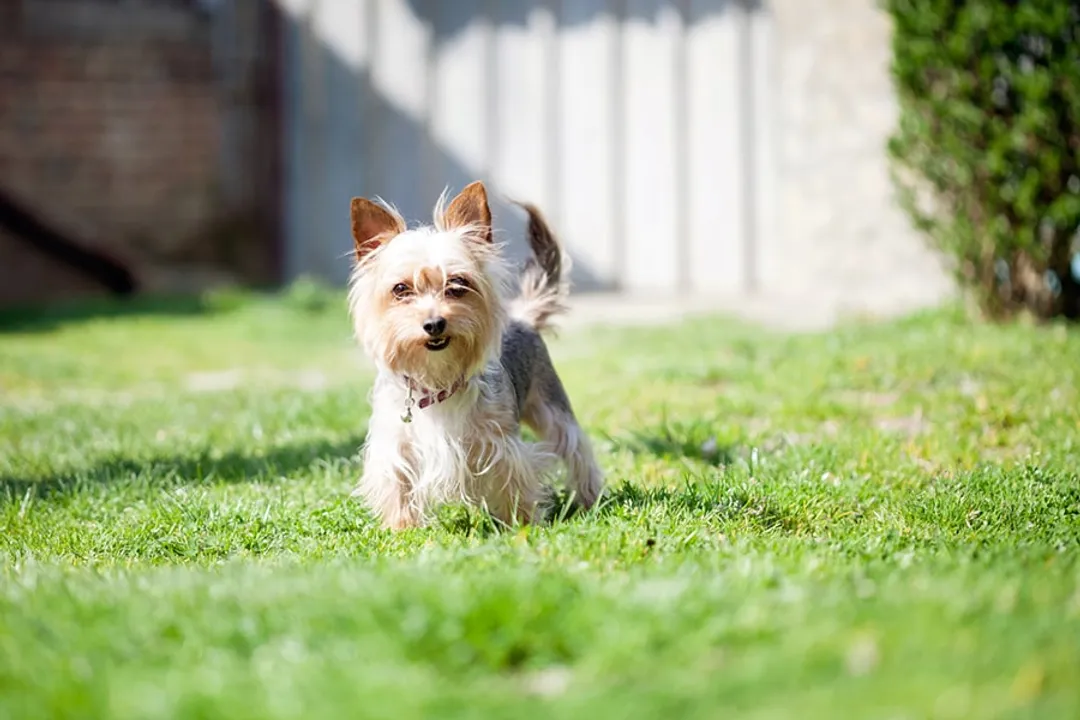
Moving down, the Yorkie resides in the Order Carnivora. [8] This grouping is based on shared anatomical features, particularly the specialized teeth adapted for shearing flesh, known as the carnassial pair. [2] While the name suggests a strict meat-only diet, this order is incredibly diverse, including animals that are primarily herbivorous or omnivorous, such as bears or even giant pandas. [2] It’s fascinating to consider that even a modern Yorkshire Terrier, perhaps subsisting happily on high-quality kibble, shares this ancient evolutionary order with massive predators like tigers and bears. This positioning speaks less to the modern Yorkie's appetite and more to the shared evolutionary heritage of their shared skeletal and digestive structures, which are designed for processing animal protein.[2]
# Family Canidae

Within Carnivora lies the Family Canidae, which contains the true dog family. [8] This group is characterized by long snouts, non-retractile claws, and adaptations for running over long distances, features strongly evident in their wild relatives like wolves, foxes, and jackals. [2] The Yorkie is undeniably a member of this family, sharing behavioral tendencies such as pack loyalty and vocalizations common to canids. [3] Members of Canidae are generally cursorial, meaning they are adapted for running, which is an interesting trait to note when observing a tiny, 7-pound show dog bred for indoor companionship. This ancestral adaptation towards endurance running, common across the family, contrasts sharply with the typical lifestyle of a contemporary Toy breed.[5]
# Genus Species
The classification narrows further into the Genus Canis. [8] This genus includes the largest and most widespread members of the dog family. [2] Most modern scientific consensus places the domestic dog under the species Canis lupus, with the domestic dog recognized as the subspecies Canis lupus familiaris. [1][8] Some sources may still reference the older classification, Canis familiaris, but the familiaris subspecies designation under C. lupus better reflects the dog’s direct genetic lineage tracing back to the gray wolf. [8] This placement affirms that, genetically speaking, the companion sleeping at your feet is merely a specialized variant of the wolf lineage that diverged through domestication tens of thousands of years ago. [1]
# Breed Grouping
While the Linnaean system is universal for biology, organizations like the American Kennel Club (AKC) impose functional groupings based on historical purpose rather than strict genetics. [5] The Yorkshire Terrier is officially placed in the Toy Group by the AKC, recognizing its small size and role as a companion animal. [5] However, its heritage firmly plants it in the Terrier Group. [3][5]
It's important to recognize this dual categorization. Scientifically, the Yorkie is a Canis lupus familiaris whose ancestors were working dogs. Culturally, it is now a Toy breed. For instance, when comparing the AKC groups, one finds that the Yorkie shares genetic markers and historical purpose with breeds like the Cairn Terrier or the Norwich Terrier, breeds that were historically used for hunting vermin—a stark difference from many other dogs placed in the Toy Group, which were bred solely for companionship or lap warming. [3][5] This difference highlights how human selection pressure can override ancestral roles when defining modern breed categories.
The breed’s initial development in Yorkshire, England, during the mid-19th century was intrinsically linked to their working heritage. [1] They were initially bred by working-class mill workers to catch rats in the clothing mills and mines, a purpose entirely consistent with the Terrier group designation. [1] Their diminutive size was an asset for getting into small crevices where vermin hid. [3]
# Size Variation Context
The extreme divergence in size between the original working ratters and the tiny show dogs of today is a powerful demonstration of selective breeding within the Canis lupus familiaris subspecies. The modern standard, typically requiring a dog to weigh no more than 7 pounds, is significantly smaller than the original dogs, many of which were closer to 10 or 12 pounds. [1] This intense selection for miniature stature, while leading to the popular companion animal we know, is a highly specific modification within the established scientific species. The genetic architecture that allows for such size variation within one subspecies is one of the most remarkable features of C. l. familiaris compared to other wild Canis species.[1]
For those interested in tracking the lineage beyond general registration, molecular testing, like that offered by services such as Wisdom Panel, analyzes DNA markers to confirm breed purity and admixture, offering a personalized look at the dog’s genetic makeup relative to the established breed standards and ancestral pools. [9] This modern genetic analysis simply confirms the Linnaean hierarchy: despite the breed's specific look and function, the DNA confirms its deep-rooted position within the Canidae family.[9]
Related Questions
#Citations
Yorkshire Terrier - Wikipedia
Yorkshire Terrier - Discover Animals
Yorkshire Terrier dog - Students | Britannica Kids | Homework Help
Yorkshire Terrier - Dogs - A-Z Animals
Yorkshire Terrier (Yorkie) Dog Breed Information
Classification of Yorkies - Anastasia Jennings - Prezi
The “Yorkie”: Yorkshire Terrier Facts - ASPCA Pet Insurance
What is the scientific name and classification of a Yorkshire Terrier?
Yorkshire Terrier Facts - Dog Breeds - Wisdom Panel