What factor is cited as contributing to the decline of the Eurasian Wryneck in areas like the UK?
Answer
Widespread use of pesticides in agricultural areas affecting ant populations
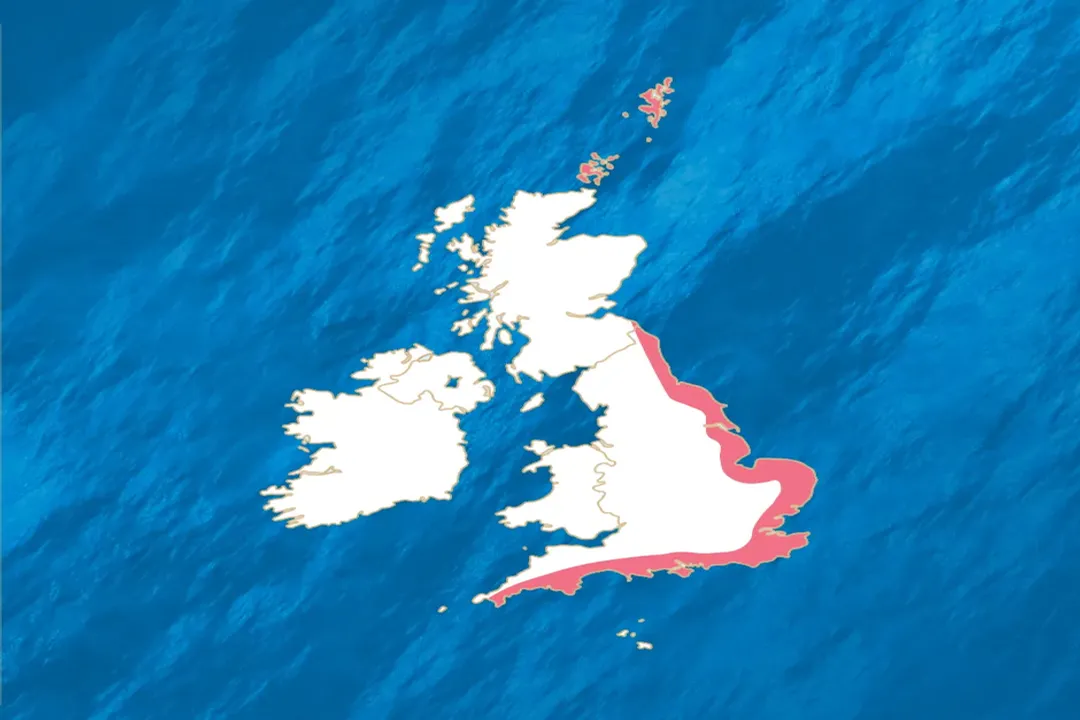
The absolute reliance of the Wryneck on social insects, specifically ants, makes their population highly vulnerable to changes affecting ant abundance. Factors impacting the availability of their primary food source are cited as major contributors to population decline. In particular, the widespread use of pesticides in agricultural areas is explicitly mentioned as affecting ant populations, which consequently impacts the survival and reproductive success of the Eurasian Wryneck in regions such as the UK. This highlights a critical indirect link between agricultural practices, invertebrate ecology, and avian conservation needs.
Related Questions
What is the overwhelmingly dominant component of the Wryneck diet, including larvae and pupae?What specialized anatomical tool do Wrynecks use to lap up ants from nests?Why might the Eurasian Wryneck avoid territories where the ground cover beneath trees is too dense?What factor is cited as contributing to the decline of the Eurasian Wryneck in areas like the UK?For approximately how long are nestlings of the Eurasian Wryneck provisioned almost exclusively with ants inside the nest cavity?Which Wryneck species is described as having a diet even more narrowly focused, being almost entirely ants year-round?What indirect food chain effect makes territories with high numbers of aphids valuable to the foraging Eurasian Wryneck?How do Wrynecks generally move across the terrain while foraging on the ground for ant activity?What essential skill do parents actively demonstrate to Eurasian Wryneck fledglings during the seven to ten days of post-fledging care?In what manner does the Wryneck's anatomical evolution regarding feeding differ from true woodpeckers in the Picidae family?