Wryneck Diet
The Wryneck, though classified within the woodpecker family Picidae, presents a remarkable divergence in its feeding strategy, earning it a unique niche in avian ecology. Unlike its more recognized relatives that cling vertically and drum for wood-boring insects, the Wryneck primarily operates on the ground, demonstrating an almost obsessive focus on a very specific group of prey items. This specialization in diet is a defining characteristic separating the Eurasian Wryneck (Jynx torquilla) and its close relative, the Red-throated Wryneck (Jynx ruficollis).
# Ant Focus
The chief, and overwhelmingly dominant, component of the Wryneck diet consists of ants and their associated early life stages—larvae and pupae. This preference is so pronounced that for the Red-throated Wryneck, the diet of both adults and young is described as being almost entirely ants throughout all stages of their life cycles. Even for the migratory Eurasian species, ants form the bulk of their sustenance.
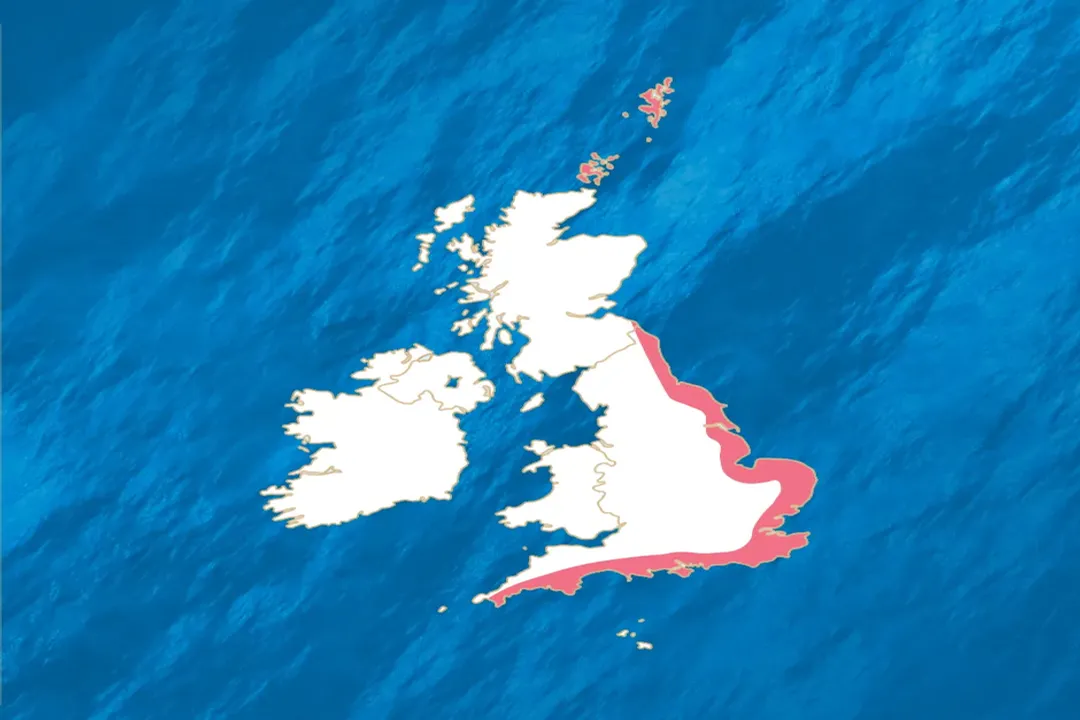
This absolute reliance on social insects suggests a highly specialized adaptation. While other woodpeckers probe into wood, the Wryneck has evolved to exploit the massive energy reserves found within ant colonies. This specialization likely explains why factors affecting ant populations—such as the widespread use of pesticides in agricultural areas—are cited as contributing factors to the decline of the Eurasian Wryneck in places like the UK. An understanding of where ants thrive is therefore paramount to understanding Wryneck ecology.
# Ground Foraging
The Wryneck’s method of acquiring its preferred meal dictates its physical behavior and habitat preference, moving it away from the classic image of a tree-clinging woodpecker. They are, for the most part, ground feeders, moving with short hops across the terrain in search of activity. When foraging, they will use their relatively fine bill to carefully open up ant nests or galleries. The true tool of their trade, however, is their tongue. Wrynecks possess a long, sticky tongue that they rapidly extend and retract to lap up the ants, larvae, and pupae found within.
This specialized method means they generally do not excavate holes in bark for food, distinguishing them from true woodpeckers. While they can cling to tree trunks and may pick insects off vegetation when in trees, their primary foraging ground remains the forest floor or open areas. The ability to select prey based on location, rather than having to excavate for it, makes the accessibility of the nest entrance critical to their feeding success. This is a subtle but important difference: where other Picidae have bills evolved for percussion and chiseling, the Wryneck’s anatomy is geared toward fine manipulation and retrieval of soft-bodied invertebrates from existing structures.
For migratory birds like the Eurasian Wryneck, this foraging technique influences site selection upon arrival. Studies have noted that these birds preferentially select territories, such as older pear orchards, where the ground cover is scant, making the ant nests easier to locate and access. If the ground beneath the trees is too dense with vegetation, the birds may expend too much energy locating their primary food source, even if the trees themselves are suitable for nesting.
# Secondary Invertebrates
Although ants are central to survival, Wrynecks are opportunistic enough to supplement their diet when necessary, particularly during migration or when ant availability is low. The Eurasian Wryneck has been documented consuming other small invertebrates such as spiders, woodlice, and beetles, including their larvae. Furthermore, general observations suggest that Wrynecks may occasionally take small amphibians or even bird eggs.
The Red-throated Wryneck, which is resident in sub-Saharan Africa, shares this slight degree of flexibility, occasionally taking termites or other small invertebrates alongside its main ant fare. This adaptability is likely crucial during the long migratory stopovers for the Eurasian species, where energy demands are extremely high, or when establishing territories on less-than-ideal feeding grounds.
A particularly interesting ecological consideration is the correlation between habitat and food abundance. For the Eurasian species, favorable territories are often those with high numbers of aphids, likely because aphids are a significant food source for many ant species. Therefore, an indirect food chain effect is at play: the presence of plants that support high aphid populations contributes to the presence of robust ant colonies, which in turn makes that specific tract of land highly valuable to a foraging Wryneck.
# Nesting Diet
The dietary requirements of the developing young strictly mirror those of the adults, underscoring the fundamental importance of ants to the species’ reproductive success. In the case of the Eurasian Wryneck, both parents participate in feeding the chicks inside the nest cavity. The nestlings are provisioned almost exclusively with ants and ant larvae for roughly twenty days until they are ready to fledge.
The parental commitment does not end upon leaving the nest. After the young birds emerge, the parents continue to provide food for another approximate seven to ten days. Critically, this extended post-fledging care is not just about nutrition; it includes actively demonstrating how and where to hunt for food, effectively transferring essential survival skills related to locating ant nests to the next generation. This short, intense period of post-fledging feeding and instruction is vital for ensuring the fledglings can immediately secure their own specialized diet in the wild.
# Species Variation
While the core diet is consistent, differences exist between the two recognized species of the Jynx genus, primarily dictated by their geographic separation and residency status. The Eurasian Wryneck is largely migratory, moving between European/Asian breeding grounds and wintering areas in Africa and Southern Asia. Its diet must therefore be adaptable enough to support the intense energy output of migration while relying heavily on ants during the breeding season.
Conversely, the Red-throated Wryneck is a non-migratory resident across much of sub-Saharan Africa. Its diet is even more narrowly focused, being almost entirely composed of ants year-round, suggesting a very stable local availability of this primary resource where it lives. While both species share the ant specialty, the resident African bird seems to exhibit less dietary plasticity than its migratory cousin whose survival depends on successfully finding reliable food sources across continents.
Related Questions
#Citations
Eurasian wryneck - Wikipedia
Wryneck Diet and Size: Feeding Habits, Predators, and Measurements
Wryneck Bird Facts | Jynx Torquilla - RSPB
Wryneck - The Wildlife Trusts