What effect does artificial illumination (light pollution) have on the nocturnal foraging behavior of these lemurs?
Answer
They actively avoid the light, causing them to reduce their foraging time
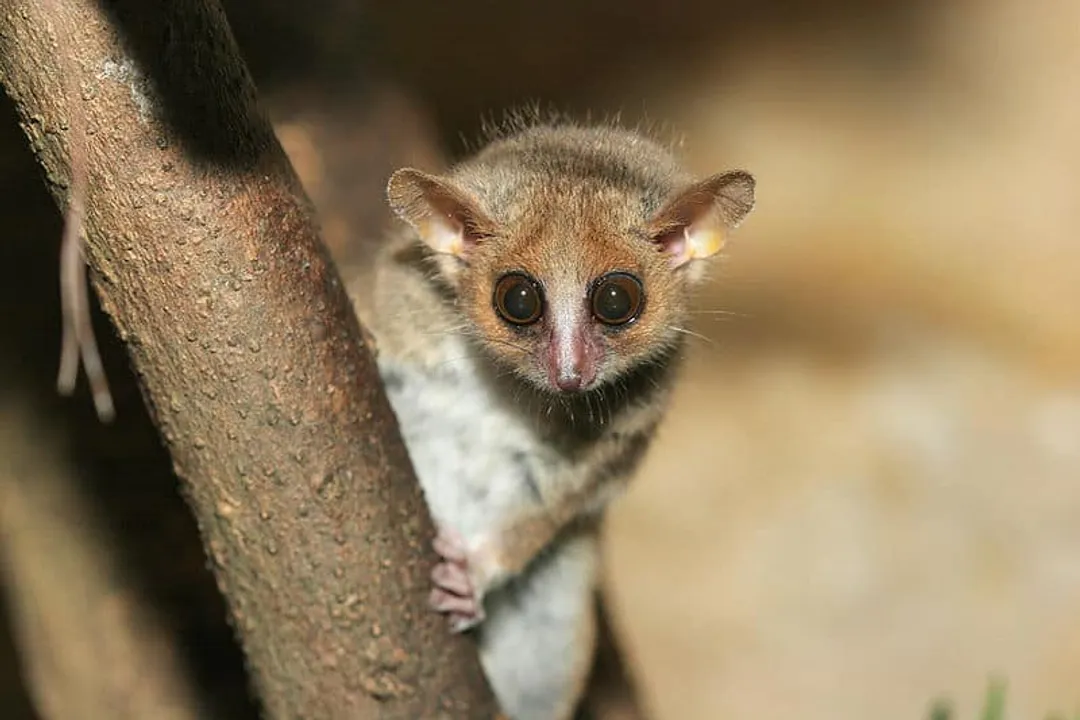
Strictly nocturnal animals, grey mouse lemurs actively attempt to avoid artificial illumination, which results in a reduction in the total time available for them to forage for food.
Related Questions
What is the current IUCN classification status for the grey mouse lemur, *Microcebus murinus*?What specialized physiological adaptation allows the grey mouse lemur to drastically slow its metabolism during colder, drier months?What anatomical feature, formed by lower incisors, assists the grey mouse lemur with personal maintenance?What feature provides the grey mouse lemur with exceptional night vision?In terms of social hierarchy, what is the established dominance relationship between the sexes?How do female offspring identify their fathers to mitigate the risk of inbreeding?What effect does artificial illumination (light pollution) have on the nocturnal foraging behavior of these lemurs?What is the primary source of protein in the omnivorous diet of the grey mouse lemur?What CITES appendix listing regulates the trade of the grey mouse lemur?Where does the grey mouse lemur typically store the fat reserves needed to sustain it during periods of scarcity?