Are Uinta ground squirrels endangered?

The status of the Uinta ground squirrel (Urocitellus armatus) is a frequent point of inquiry, often stemming from their visible presence in high-elevation meadows across the Intermountain West. While concerns about species longevity often arise when wildlife interacts with human development, the short answer regarding federal or international endangerment is reassuringly clear: the Uinta ground squirrel is not endangered. However, moving past the simple classification reveals a more nuanced picture of local security and biological adaptation.
# Global Security
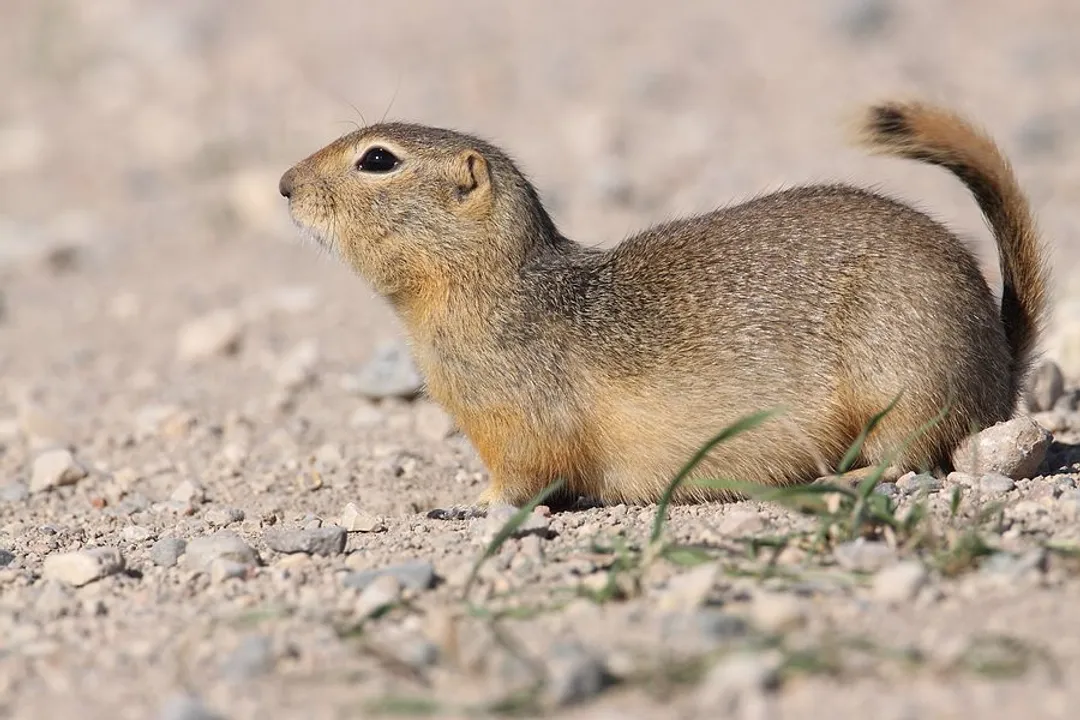
The international assessment for the Uinta ground squirrel places it firmly in the category of Least Concern according to the International Union for Conservation of Nature (IUCN). This designation reflects a species that is widespread and currently abundant enough not to warrant immediate listing as threatened or endangered. NatureServe corroborates this with a global conservation rank of G5, which is defined as "Secure". This security is supported by a wide estimated range, covering between 8,000 and 1,000,000 square miles across the United States. Furthermore, NatureServe estimates that between 13 and over 40 occurrences of the species are already protected and managed across their native range.
# State Nuance
Despite the comfortable global standing, looking closer at individual state rankings provides a more textured understanding of population health. While the species is native to Montana, Idaho, Utah, and Wyoming, their specific conservation rankings vary:
- Utah (S5): Here, the squirrel is ranked S5, meaning it is secure, aligning with the global assessment. In Utah, they are reported as quite common in suitable habitats like dry meadows and cultivated fields.
- Montana (SU): Montana lists the Uinta ground squirrel as SU. This rank is not a measure of abundance but rather a statement on data reliability; SU means the species is present, but data to assess trends, habitat associations, and threats is lacking. This contrasts sharply with a secure designation and suggests that while they are visible, true population monitoring needs improvement for an accurate assessment of local viability.
- Wyoming (S3S4): Wyoming’s ranking spans from S3 (Vulnerable) to S4 (Apparently Secure). This range indicates a species that is potentially moving toward more precarious status in some areas of the state, requiring more vigilance than in Utah.
This divergence between a "Least Concern" global tag and varied state statuses points to a subtle but important conservation reality. A species can be geographically widespread and generally safe, yet experience localized declines or have significant data gaps in specific regions where human activity or specific environmental pressures might be more acute. For instance, an observer in southwestern Montana might perceive a less secure situation than one in northern Utah, simply due to the differing quality of the available monitoring data in those states.
# Range and Habitat
The name itself points to one of its historical strongholds, as the species was first described from the Uinta Mountains. Today, their range generally covers the Intermountain West, specifically southwestern Montana, southeastern Idaho, western Wyoming (west of the Green River), and north-central/northern Utah.
These squirrels are creatures of the open, favoring specific topographic niches. They thrive in meadows, pastures, and shrub-steppe habitats. Elevation plays a key role; they are typically found between 4,000 and 8,000 feet, sometimes reaching near timberline, up to 11,000 feet in some locations. A defining characteristic of their preference is the need for soft soil suitable for digging extensive burrow systems, often near water sources where vegetation is lush. While they are associated with high valleys, they can also be found near cultivated fields and, occasionally, in lawns, showing a degree of adaptability to human-modified landscapes.
# Torpor and Activity
Perhaps one of the most fascinating aspects of the Uinta ground squirrel is its intense, condensed active period. These animals spend the majority of the year dormant, relying on fat reserves built up during a brief summer window. They are diurnal, meaning they are awake and active during daylight hours when above ground.
The cycle is strict: males typically emerge from hibernation around mid-March, with females following slightly later, and yearlings last. They remain active through late summer, usually disappearing back into their burrows for hibernation between late July and mid-August, with juveniles following about two weeks later. This means that for much of the year—fall and winter—they are underground. This long period of dormancy is essential for survival, as they accumulate significant body fat stores to last them through the cold months. In the Yellowstone area, there is a curious observation where rising ground temperatures caused by nearby hydrothermal activity may sometimes arouse them briefly from hibernation near locations like the Albright Visitor Center, though the exact reason remains a topic of speculation among park staff.
# Social Structure and Communication
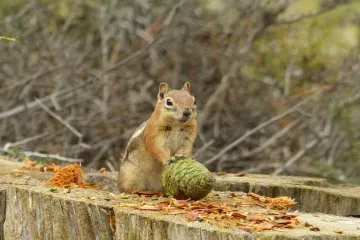
Uinta ground squirrels are noted for living in large colonies. This colonial structure offers safety in numbers, especially given the array of predators they face, including coyotes, badgers, weasels, and raptors. However, the social life is far from entirely peaceful. Adults react aggressively to one another outside the breeding season, with females often being more intolerant of neighbors than males. Territory is established through scent marking; males use cheek glands, rubbing them on the ground to demarcate their space.
Their communication is complex, involving six distinct vocalizations: chirps, squeals, squawks, trills, growls, and teeth clattering. The use of these sounds is highly specific, adding depth to their interactions. For example, chirps serve as warnings for aerial predators, while trills signal ground-based threats like a lurking coyote. When a warning is sounded, the colony responds by either freezing in an alert posture or rushing to the safety of their burrows.
# Diet and Ecosystem Role
As primarily herbivorous animals, their diet centers on green vegetation and seeds, though their consumption habits shift throughout the year. They are known to show a preference for common dandelions when available. Their consumption isn't strictly plant-based; they also consume invertebrates, such as earthworms, and are opportunistic enough to eat carrion, including members of their own species killed by vehicles.
The squirrel’s dietary habits place it in a dual role within the ecosystem. On one hand, their consumption of seeds and vegetation means they compete with agriculture, potentially damaging crops or stored seed reserves, which is noted as a negative economic factor in some regions. On the other hand, their diet includes invertebrates, meaning they help manage insect populations, and they themselves are a vital food source for higher predators, helping to sustain those populations. While they may be seen as pests near farm plots, they are an essential link in the food web across the mountain meadows where they are most common.
Understanding the Uinta ground squirrel requires acknowledging the regulatory layer inherent in their management. Federal agencies, like those overseeing Yellowstone National Park, may note their presence and behavior, like the arousal from hibernation near geothermal features, as ecological observations. Meanwhile, state agencies utilize conservation ranks like S5 or SU to guide their management priorities, which can shift based on whether the species is suspected of declining due to development pressure or simply due to a lack of current field data. A property owner in a state tracking them as "Secure" may have more leeway in addressing burrow issues near structures than someone bordering a national forest in a state categorizing the species status as less certain. This means that even though they are far from endangered, landowner decisions regarding habitat management need to be tailored to the specific regulatory framework and known population status of the county they are in. Their success across elevations up to 11,000 feet demonstrates significant environmental tolerance, but the shift from undisturbed sagebrush to cultivated fields changes the nature of their interactions with us, moving from an interesting wildlife subject to a management concern over property or crop protection.
Related Questions
#Citations
Uinta Ground Squirrel Facts & Photos - Wowzerful
Uinta ground squirrel - Wikipedia
Urocitellus armatus - NatureServe Explorer
Uinta Ground Squirrel - Montana Field Guide
Uinta Ground Squirrel - National Park Service
(species) urocitellus armatus - Utah Natural Heritage Program Field ...
Spermophilus armatus (Uinta ground squirrel) - Animal Diversity Web
In what states do ground squirrels live?
Uinta ground squirrel Facts for Kids