Is the scrotum frog endangered?
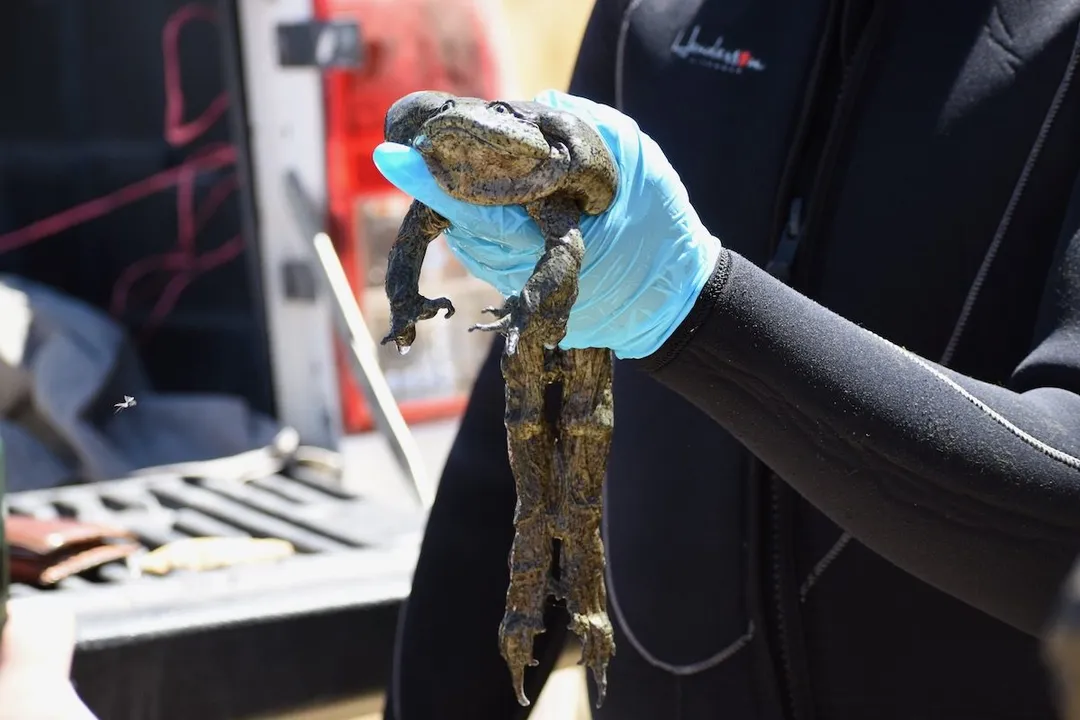
The question of whether the species often called the scrotum frog is endangered is not really a question at all; it is a grave reality facing one of the world’s most unique amphibians. Known scientifically as Telmatobius culeus, this creature is famous—or perhaps infamous—for the loose, wrinkled, and baggy skin that covers its body, a feature that gives it its common, if somewhat graphic, name. [1][4] This skin is not merely cosmetic; it is central to its survival in the cold, oxygen-poor environment of Lake Titicaca, the massive high-altitude lake spanning the border between Peru and Bolivia. [1][2] Unfortunately, this unique adaptation, which allows the frog to breathe almost entirely through its skin, has become a primary liability in the face of modern environmental degradation. [3]
# Lake Dweller
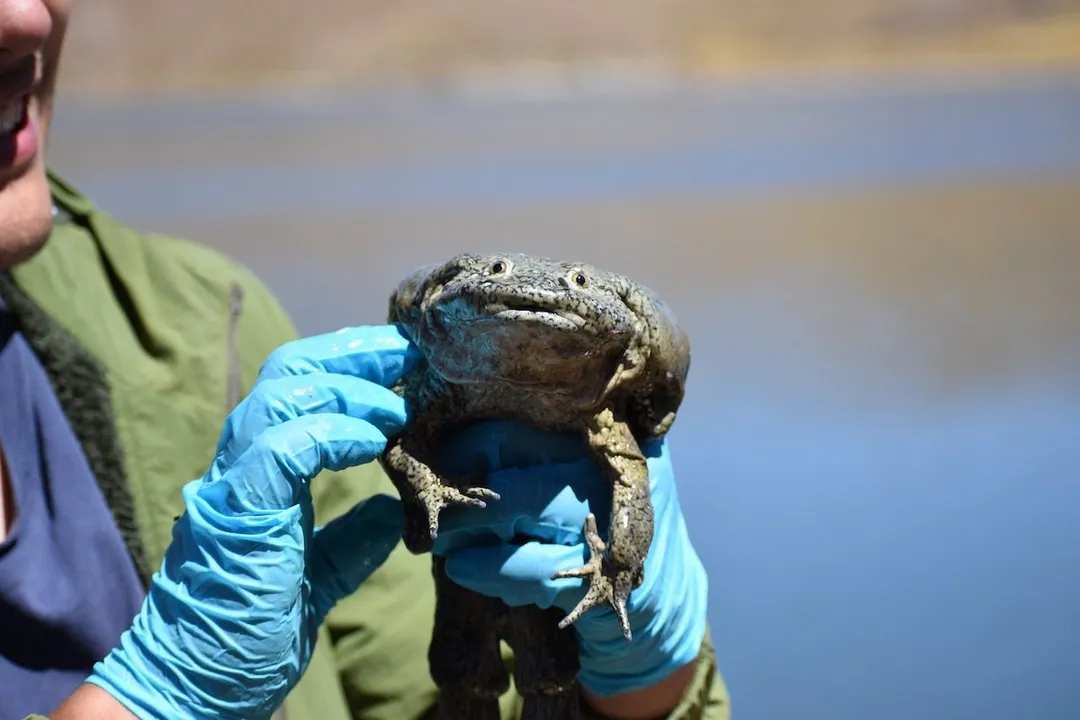
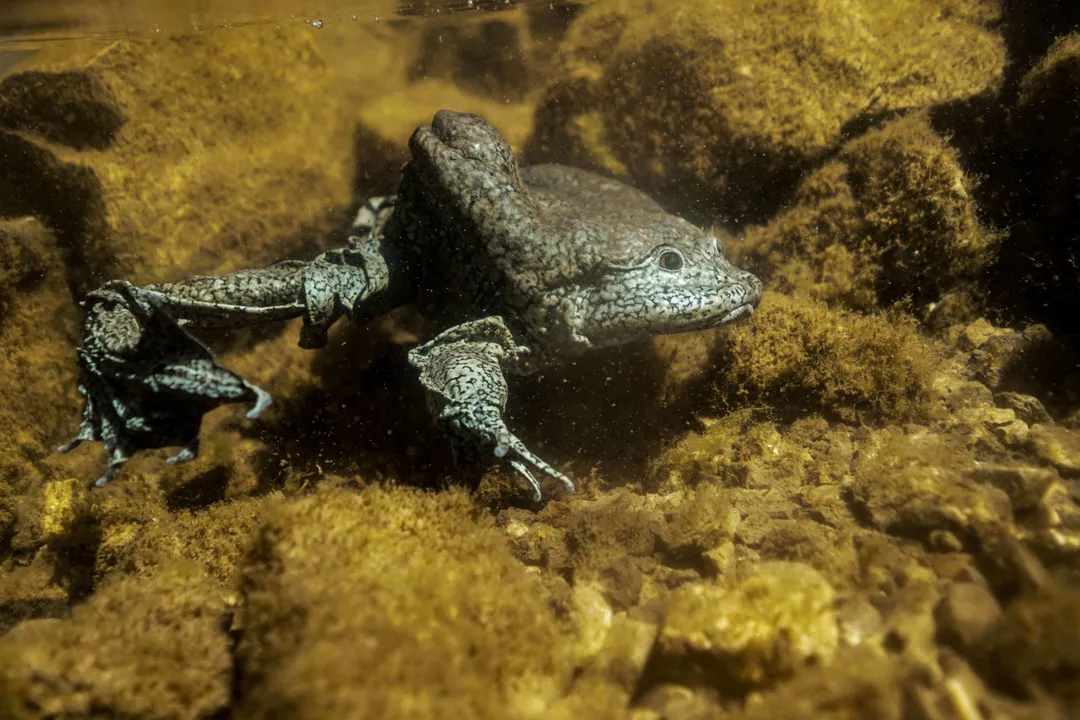
The Titicaca Water Frog is an extraordinary example of specialized evolution. It is entirely aquatic and does not possess lungs capable of sustaining it for long periods, relying instead on extensive cutaneous respiration—breathing through its skin. [3] To maximize this gas exchange, the frog has evolved to have an exceptionally large surface area relative to its body size, hence the folds of skin that drape around it like a loose garment. [3] These frogs are found nowhere else on Earth; their entire existence is tied to the depths and shores of Lake Titicaca, situated at over 12,000 feet above sea level. [1][2]
Their biology is adapted to this extreme altitude. They can live for a remarkably long time, sometimes up to 15 years in ideal conditions, partly because their cold environment slows down their metabolism. [3] They are slow-moving, secretive creatures, generally inhabiting the deeper, cooler waters, though they might occasionally be found in shallower areas near reeds. [3][1] Their remarkable specialization, which served them well for millennia, is now proving inadequate against anthropogenic pressures. [1]
# Status Critical
The conservation status of Telmatobius culeus is, by official definition, Critically Endangered. [1] This is the highest risk category assigned by the International Union for Conservation of Nature (IUCN) before a species is officially declared extinct in the wild. [4] While precise population counts are difficult for deep-water, shy species, estimates suggest that the population has plummeted by an alarming 50% or more over the last decade alone. [1]
The severity of the crisis has been punctuated by devastating mass mortality events. In 2016, for instance, scientists investigated the death of approximately 10,000 of these endangered frogs in Peru. This was not an isolated incident, though the exact cause of such large die-offs often involves a confluence of factors. What these events reveal is a highly stressed population living right at the edge of viability in their native habitat. [4] When a species reaches this level of endangerment, it means that even small, localized disturbances can have catastrophic, species-level consequences. [1]
# Threats Multiply
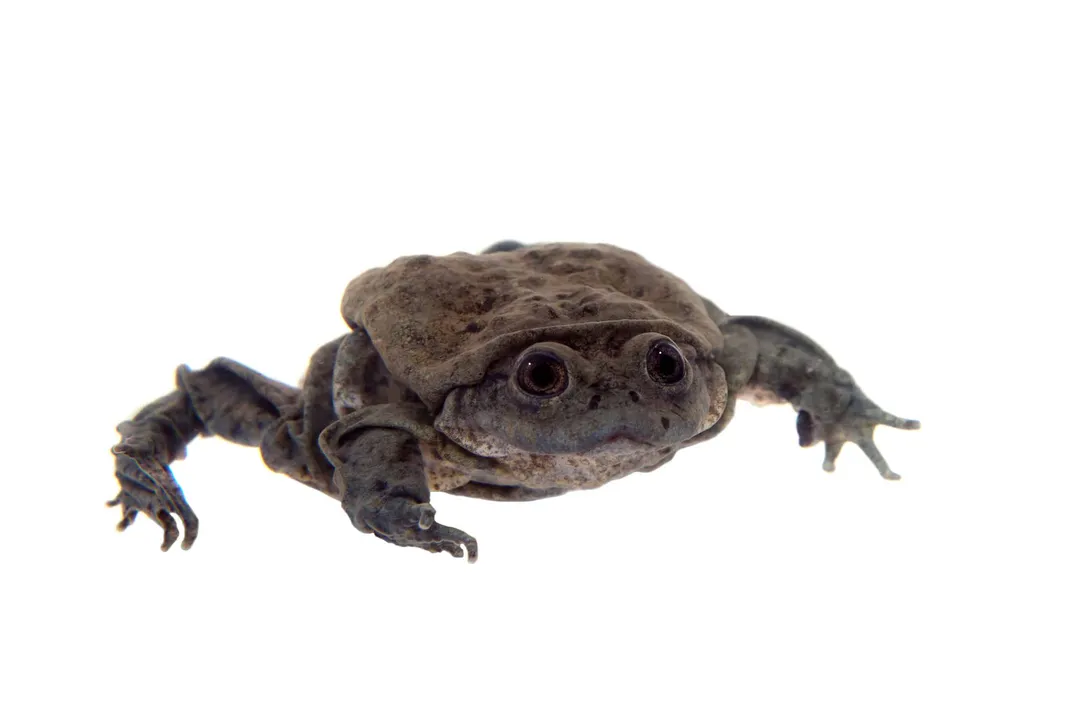
The primary reason for the Titicaca Water Frog’s rapid decline stems from the ecosystem it calls home being fundamentally altered and poisoned. [4] The threats facing this frog are multifaceted, but they generally fall into two major categories: direct human exploitation and widespread environmental contamination.
One significant pressure comes from harvesting for use in local traditional remedies. [2] The frog is often consumed or used in juices, believed to act as a diuretic or even an aphrodisiac in some communities. [2][4][5] While this practice has existed historically, the steep decline in numbers means that any harvesting now significantly impacts the remaining gene pool. [5]
However, the most pervasive threat is undoubtedly pollution. Lake Titicaca receives significant input from nearby urban centers, including untreated sewage, industrial waste, and agricultural runoff laden with pesticides and heavy metals. [2][4] Here is where the frog’s unique biology becomes a deadly vulnerability. Because the frog relies on its massive, permeable skin for respiration, it absorbs substances directly from the water it lives in. [3] Unlike a mammal that can filter toxins through a liver or kidney before they affect vital functions, the frog’s skin acts like a sponge for nearly everything dissolved in the lake water. [4] This continuous, systemic poisoning leads to reproductive failure, illness, and death. [1][5]
It is interesting to consider how the same mechanism that allows it to thrive in the oxygen-sparse high-altitude waters—the extensive, highly vascularized skin—makes it exceptionally sensitive to the chemical cocktail now present in those waters. In a pristine environment, this skin maximizes oxygen uptake; in a polluted one, it maximizes toxin absorption. We see similar issues with other amphibians globally, but the concentration and complexity of pollutants in Lake Titicaca present a unique challenge for species that have no other means of survival outside that water body. [1]
Further exacerbating the situation are habitat degradation and the introduction of non-native species. Activities like dredging for sand and removing reeds for construction and fuel reduce safe resting and breeding spots. [1] Simultaneously, the introduction of non-native fish, such as trout, creates new predation pressure on the eggs and young tadpoles, further stressing a population already struggling to reproduce successfully. [1]
# Saving Species
The gravity of the situation has mobilized scientists, conservation groups, and local communities into action. These efforts focus on both ex-situ (off-site) and in-situ (on-site) conservation strategies. [5]
Zoos around the world have taken on the responsibility of maintaining assurance colonies. For example, institutions like Chester Zoo have successfully managed breeding programs, recognizing that maintaining genetic diversity outside the lake is a vital safety net should the wild population collapse entirely. [7] Similarly, facilities like Brookfield Zoo have highlighted the plight of these creatures, often marking World Water Frog Day to raise public awareness about their crisis. [6] These captive breeding programs require specialized care, replicating the cold, low-oxygen conditions of the high Andes, which is a technical hurdle in itself. [7]
On the ground in Peru and Bolivia, initiatives like the Esperanza Project work directly with local communities to address the root causes. [5] Combating the pollution requires infrastructure improvements, such as better sewage treatment plants and regulating agricultural runoff—a complex socio-economic undertaking in developing regions surrounding the lake. [2][5] Public education is another key component, aiming to shift cultural perceptions regarding the frog’s use in traditional medicine towards an appreciation for its ecological importance. [5]
A crucial element for the long-term success of any conservation plan in this region involves creating local stewardship. When local populations see the direct benefit—whether through controlled, sustainable eco-tourism centered around the unique wildlife, or through the economic benefits associated with international conservation funding—they become the most effective guardians of the habitat. Without aligning the economic well-being of the communities bordering the lake with the survival of the Telmatobius culeus, captive breeding programs will only delay the inevitable disappearance of the wild population. [5]
# Future Outlook
The fate of the Titicaca Water Frog serves as a stark barometer for the health of one of South America’s most important bodies of water. The challenge is not simply one of biology but of environmental management on an international scale. [1] If pollution control measures are not dramatically improved and enforced soon, the prognosis for Telmatobius culeus remains exceptionally poor, regardless of the success achieved in zoos elsewhere. [4] The sheer volume of water in Lake Titicaca means that cleaning it requires long-term, sustained investment far beyond the capacity of immediate, localized efforts, demanding national and international commitment. [2] The story of this peculiar, skin-breathing amphibian is a clear indication that for many specialized species, the luxury of slow adaptation is over; survival now depends on rapid, decisive human intervention to restore the water quality upon which their very existence depends. [1][3]
Related Questions
#Citations
Telmatobius culeus - Wikipedia
Lake Titicaca's endangered 'scrotum frog' could be on its last ... - CNN
Titicaca Water Frog, Telmatobius culeus – Amphibian Survival Alliance
10000 'Scrotum Frogs' Die Mysteriously in Lake Titicaca
Saving the Titicaca 'Scrotum Frog' in the Andean Highlands
Brookfield Zoo Chicago - Facebook
Rare 'scrotum' frogs on the edge of extinction go on display ... - BIAZA
Scrotum Frog - Telmatobius culeus - A-Z Animals
Scientists Investigate Death of 10,000 Endangered Frogs in Peru