What is a mouse's worst enemy?
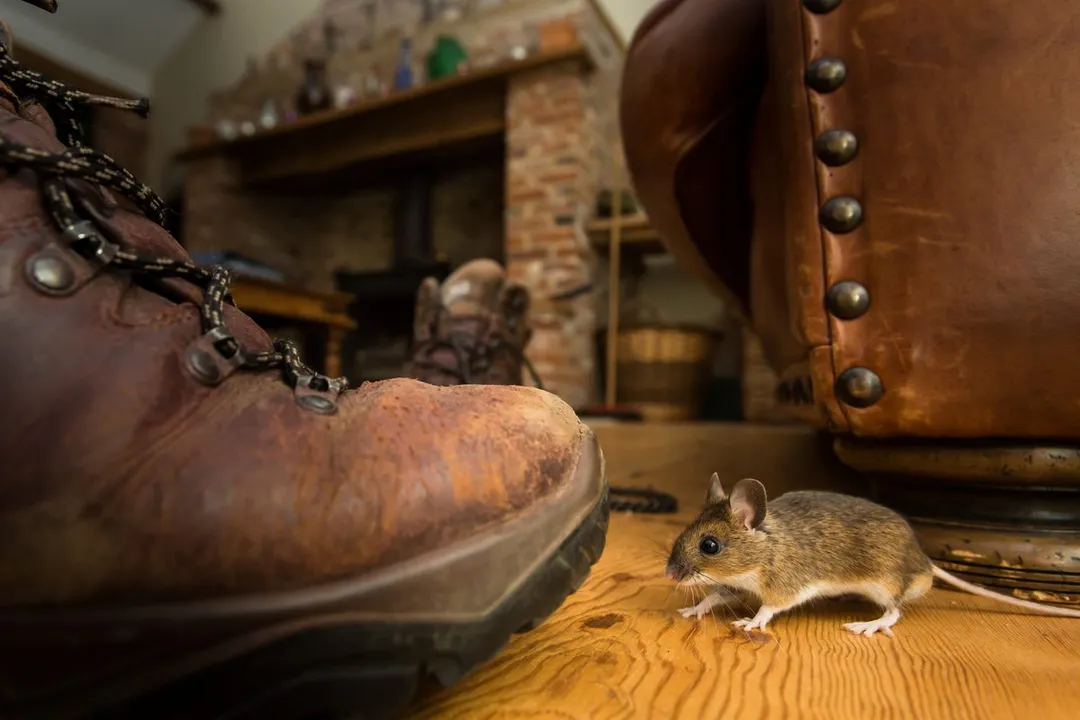
When considering the myriad threats a common house mouse faces throughout its lifespan, the term "worst enemy" splits into two distinct categories: the constant, looming danger of natural predators and the overwhelming, long-term threat posed by human activity and control measures. A mouse lives in a world defined by perpetual risk, where its small stature and high reproductive rate are its main defenses against a vast enemy spectrum.
# Predator Spectrum
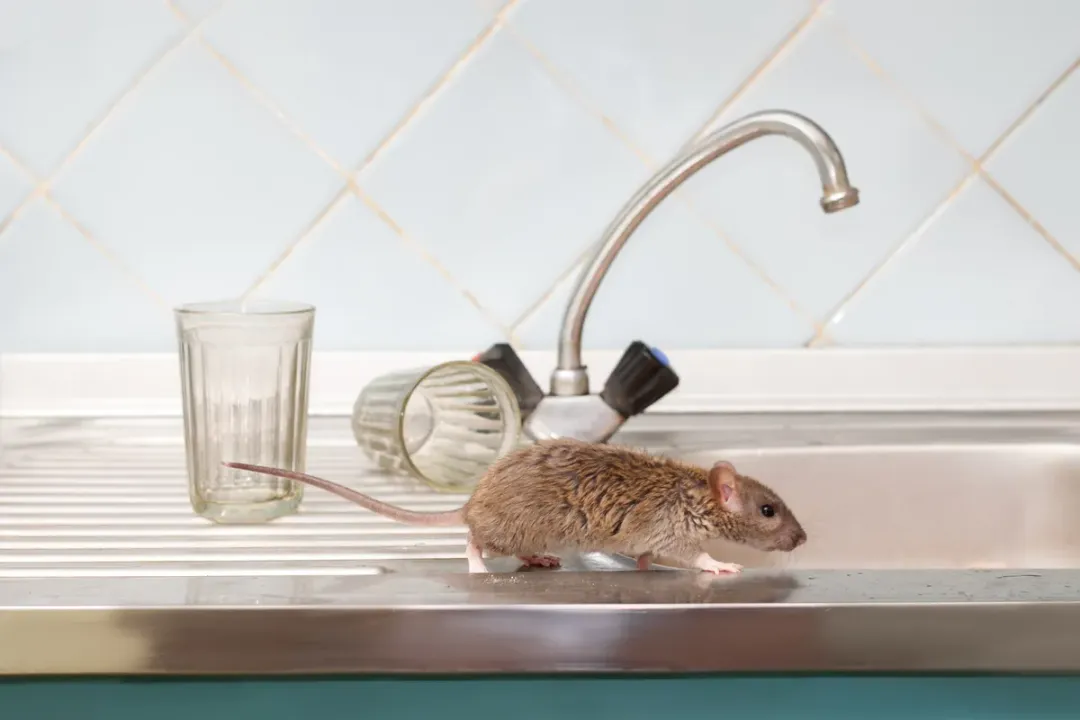
The mouse's existence is characterized by its role as prey. Nearly every creature larger than itself, across various classes of animals, views the mouse as a viable food source. This constant need to remain hidden dictates their behavior, forcing them into the smallest crevices, behind appliances, and within wall voids where they feel secure.
In natural or semi-natural settings, the mouse faces a wide array of hunters. From the air, the ground, and even beneath the soil, danger is ever-present. The hierarchy of threat often depends on the environment the mouse inhabits—whether it's deep in a field or scurrying inside a pantry.
# Nighttime Hunters
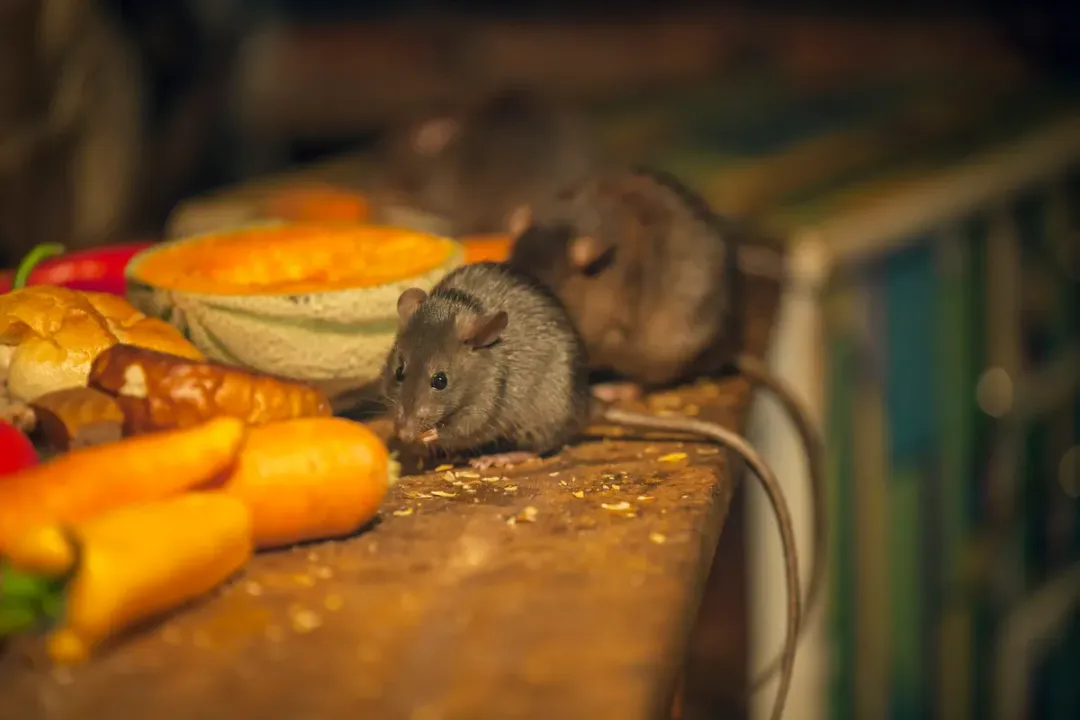
Birds of prey represent a silent, aerial threat, often hunting during twilight or nighttime hours when mice are most active foraging for food. Owls, in particular, are renowned for their exceptional hearing and silent flight, making them incredibly effective predators of rodents. Their ability to locate prey based on sound alone means a mouse’s frantic rustling can seal its fate, even when hidden from sight. Similarly, hawks patrol the skies during the day, scanning open areas where a foraging mouse might momentarily expose itself.

# Terrestrial Threats
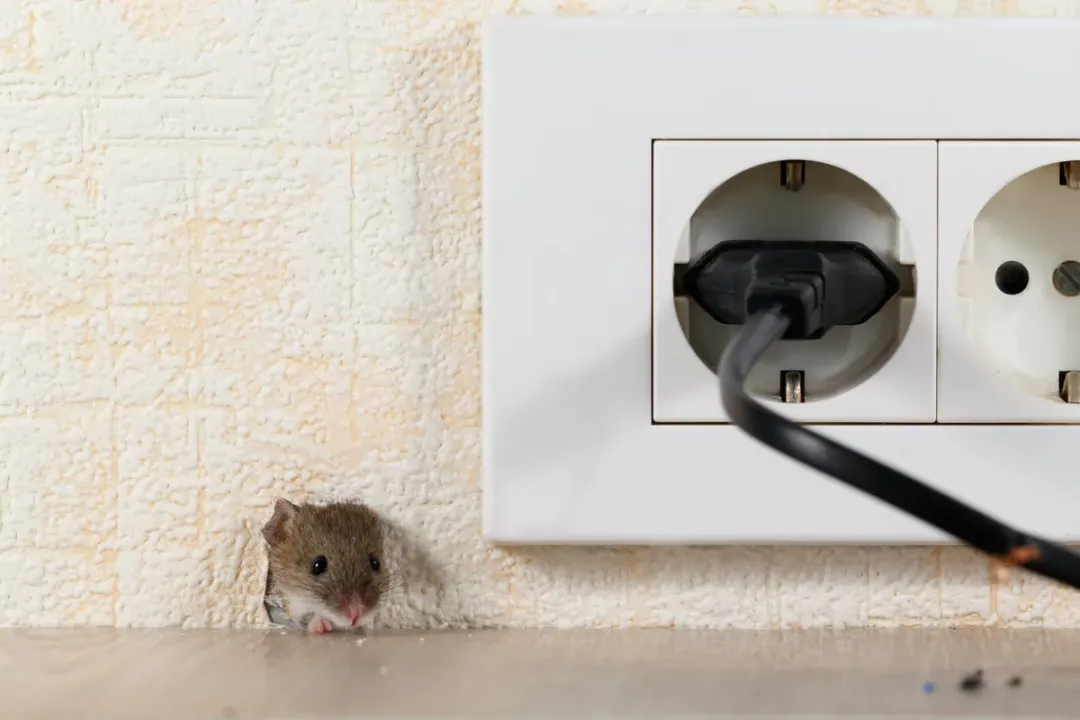
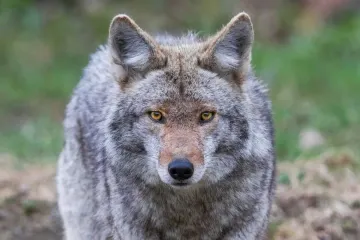
On the ground, the mammalian predators form the bulk of the mouse’s daily hazard list. Domestic and feral cats often top the list of perceived enemies, especially around human dwellings, as they are highly opportunistic hunters. However, in wilder or semi-rural environments, larger mammals pose a significant threat. Foxes and coyotes actively seek out rodents as a staple of their diet. Even other common backyard animals like raccoons and opossums will readily consume mice if the opportunity arises. When comparing the threat posed by a free-roaming domestic cat to a wild coyote, the dynamic shifts based on scale and frequency; a cat might hunt out of instinct or play near a home daily, whereas a coyote represents a larger, higher-stakes predation event only when the mouse strays further afield.
# Reptile Danger
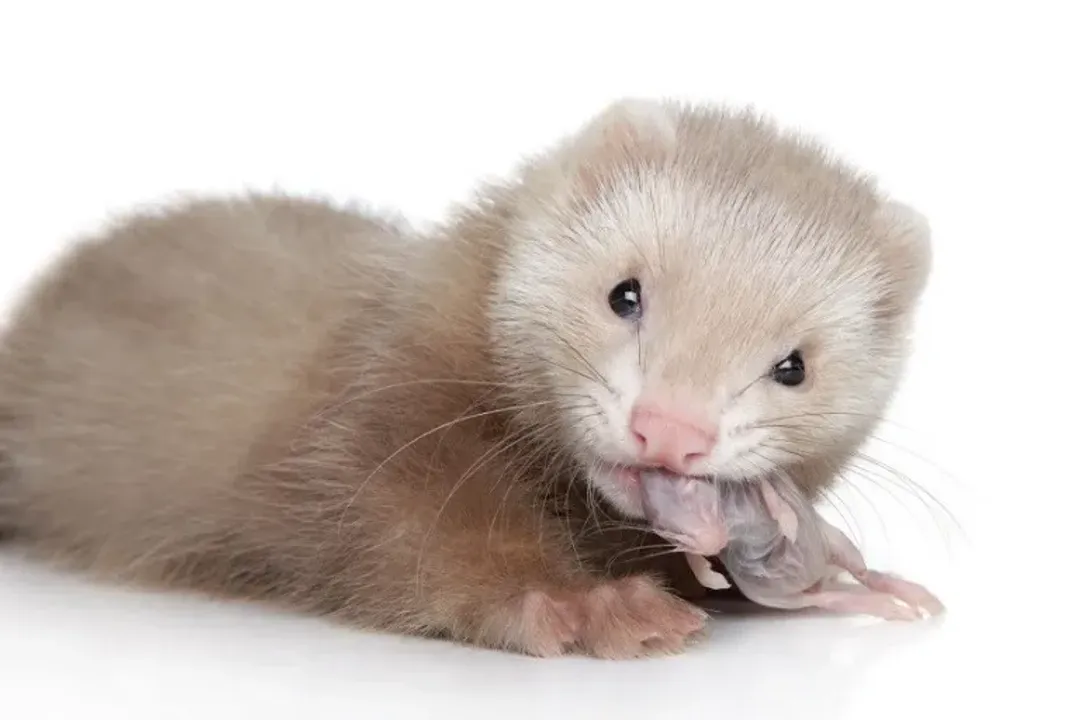
Snakes are another major predator group that targets mice. Unlike warm-blooded hunters that may need to eat frequently, a snake can consume a mouse and then go for extended periods without feeding. This means that while an owl might pass overhead only once a night, a snake nesting near a common mouse pathway or food source represents a persistent, patient danger that does not rely on regular hunting cycles. Weasels also feature on the list of mammalian predators, known for their small size allowing them to pursue rodents even into tight burrows.
# Human Intervention
While natural predators cull populations constantly, the most persistent and devastating "enemy" a house mouse encounters is humanity, or more accurately, the measures humans take to exclude or eliminate them. House mice, by definition, live in close association with people, which exposes them to unique dangers. They are not only a nuisance, causing property damage through gnawing and building nests from household materials, but they are also significant vectors for disease, transmitting illnesses like Hantavirus, Salmonella, and the plague.
This reality means that human response is rarely just a predatory act; it is often systematic pest control. Unlike a hawk which takes one mouse, the homeowner or professional exterminator aims for complete eradication of the local population. Methods employed range from physical exclusion—sealing every crack larger than a pencil diameter—to the deployment of traps and rodenticides. A mouse might easily evade a cat or a fox, but it cannot outsmart a properly sealed foundation or a snap trap set in a known travel corridor. In areas of high human population density, this calculated, intelligent opposition is the primary reason mouse colonies fail to thrive long-term.
# Survival Strategy
Given this onslaught of enemies, the house mouse’s survival hinges on a single, overriding biological advantage: its astounding reproductive capability. While any single predator can reduce numbers, the mouse species persists because of its speed of replacement. A female mouse can become pregnant shortly after giving birth, and gestation is only about 19 to 21 days. This rapid turnover allows them to sustain a population large enough to continually tempt predators while still having individuals survive to breed. However, this biological tactic is rendered ineffective against comprehensive structural exclusion, where the population base itself is cut off from food and shelter, a scenario no natural predator can replicate with sustained efficiency. If a family manages to seal off the entry points and eliminate the interior food sources, the threat from natural enemies becomes irrelevant to the mice inside, as the core threat—the human environment itself—has been neutralized.
#Videos
Mouse Predators: Complete List of What Hunts and Eats Mice!
Grasshopper Mouse: Known for Hunting and Eating Scorpions
Related Questions
#Citations
What Animal Eats Mice? - Victor
Mice Predators: What Animals Eat Mice? - Terminix
Do house mice have any predators? - Quora
Mouse Predators: Complete List of What Hunts and Eats Mice!
Everything You Need to Know About House Mice | Insight Pest Control
Which Is Worse To Have In Your Aiken Home; Rats Or Mice?
Mice: Identification, Infestations, and Health Hazards - WebMD
How to get rid of mice and rats in your house - BBC Wildlife Magazine