What does a grasshopper mouse eat?
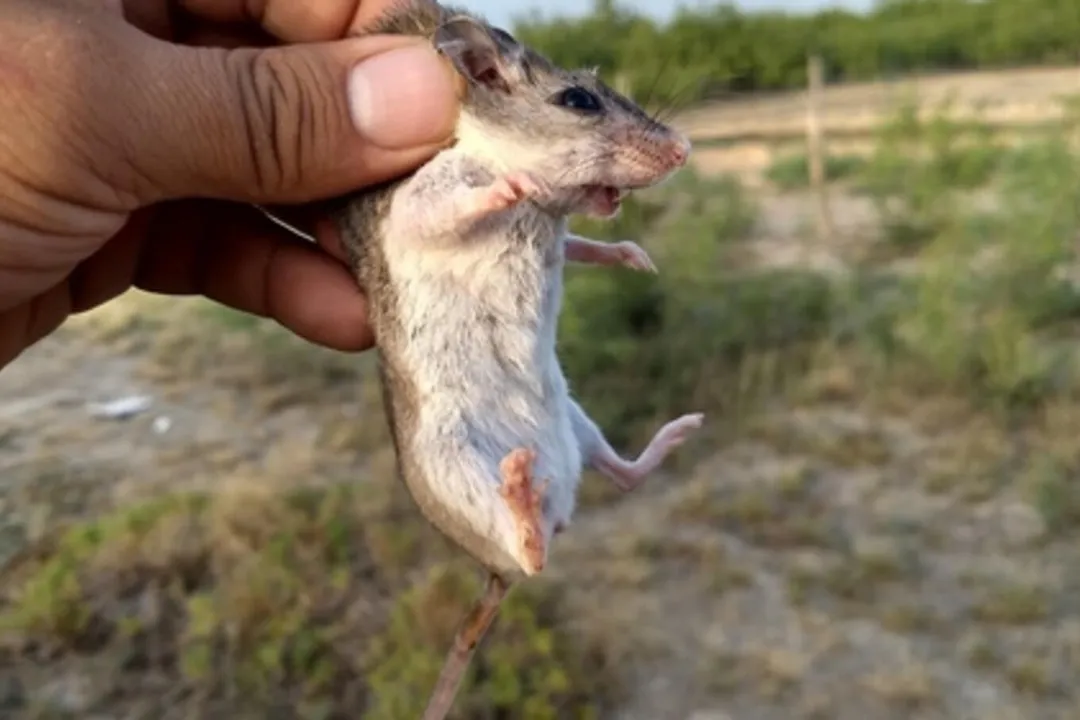
The grasshopper mouse, despite the slightly deceptive ring of its common name, is far from a typical herbivorous rodent content to graze on seeds and grasses. [1] Instead, these small mammals possess a surprisingly fierce and dedicated carnivorous identity, making them notable predators in the arid ecosystems they inhabit. [3][7] While grasshoppers feature prominently in their diet, their menu extends far beyond those long-legged insects, showcasing an adaptability that sets them apart from many of their small mammal counterparts. [1][9]
# Carnivore Identity
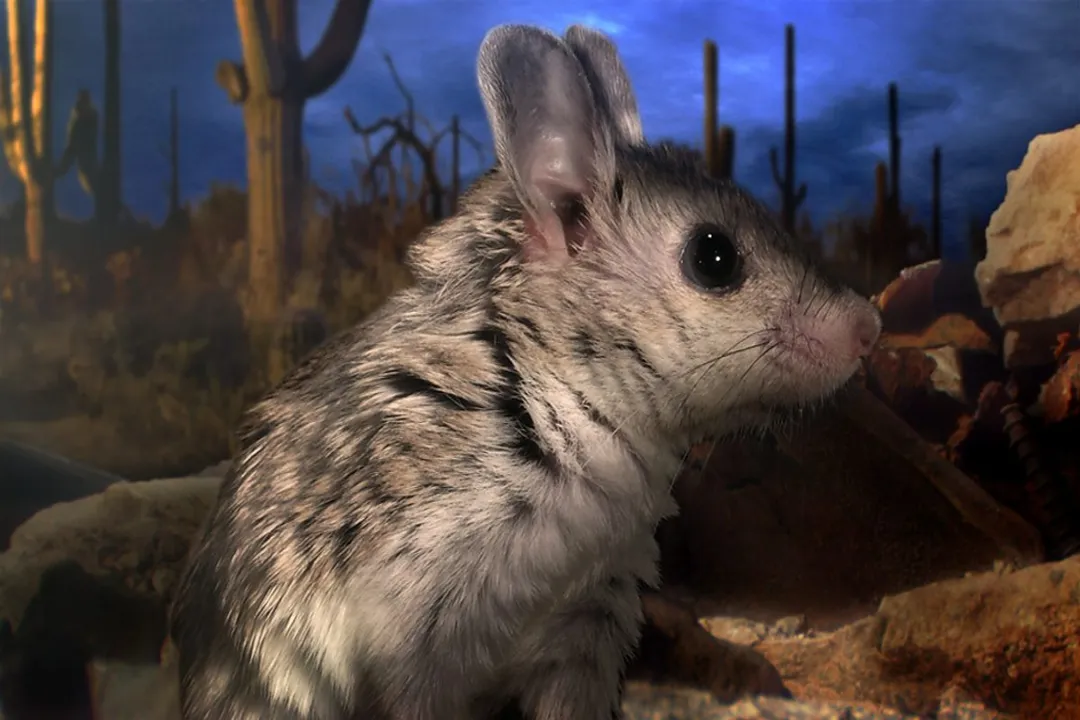
The fundamental truth about the grasshopper mouse, particularly species like Onychomys leucogaster, is that they are carnivorous rodents. [3] This dietary classification means a significant portion of their sustenance comes from animal protein rather than plant matter. [7] This characteristic is particularly striking when considering that many other small desert rodents rely heavily on seeds and vegetation, which typically offer less immediate nutritional density but are easier to acquire safely. [7] The preference for meat dictates their behavior, driving them to actively hunt rather than passively forage. [1]
# Insect Staples
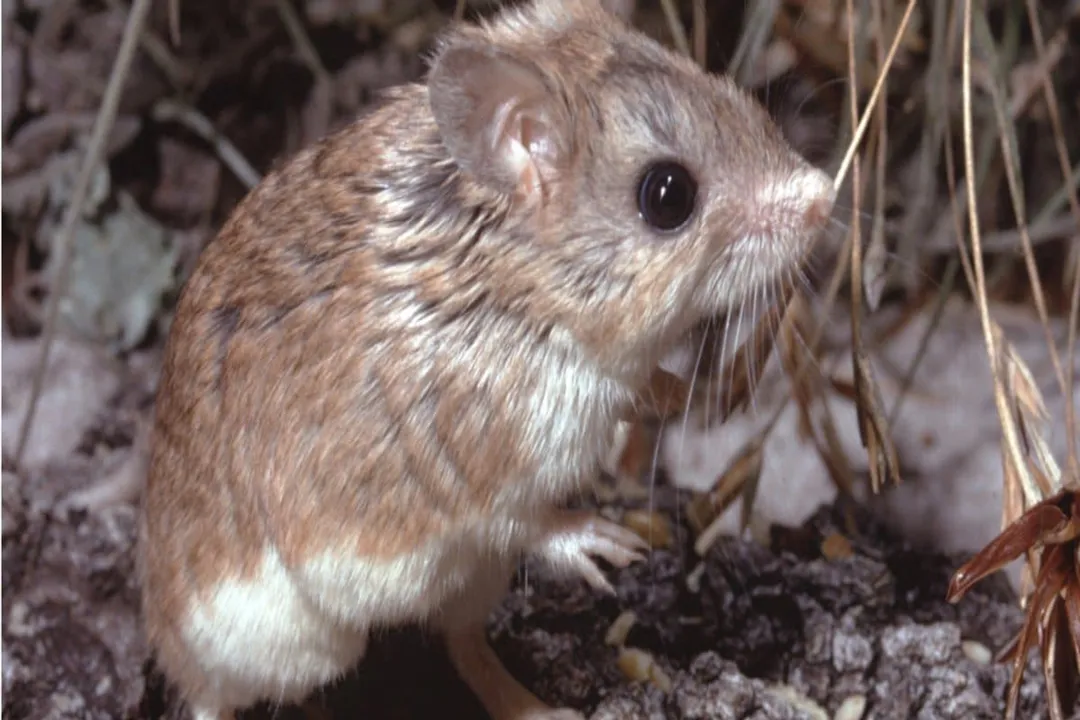
The insect world provides the most consistent foundation for the grasshopper mouse's daily caloric intake. [9] As their name suggests, grasshoppers are a primary food source, often being numerous and relatively easy targets in their native habitats. [1][4][9] Beyond these, the diet is heavily supplemented by other arthropods, including various species of beetles and crickets. [3][4][9] For an animal living in an environment where consistent, high-energy food can be scarce, securing a steady supply of insects provides reliable energy and hydration. [9]
It’s interesting to consider the energy equation here: while a grasshopper is a quick meal, securing enough of them daily requires consistent, focused hunting effort, contrasting with the slow, steady reward of consuming desert seeds. The grasshopper mouse seems to favor the high-impact, high-protein return of animal prey, even if it requires more direct confrontation. [7]

# Scorpion Defense
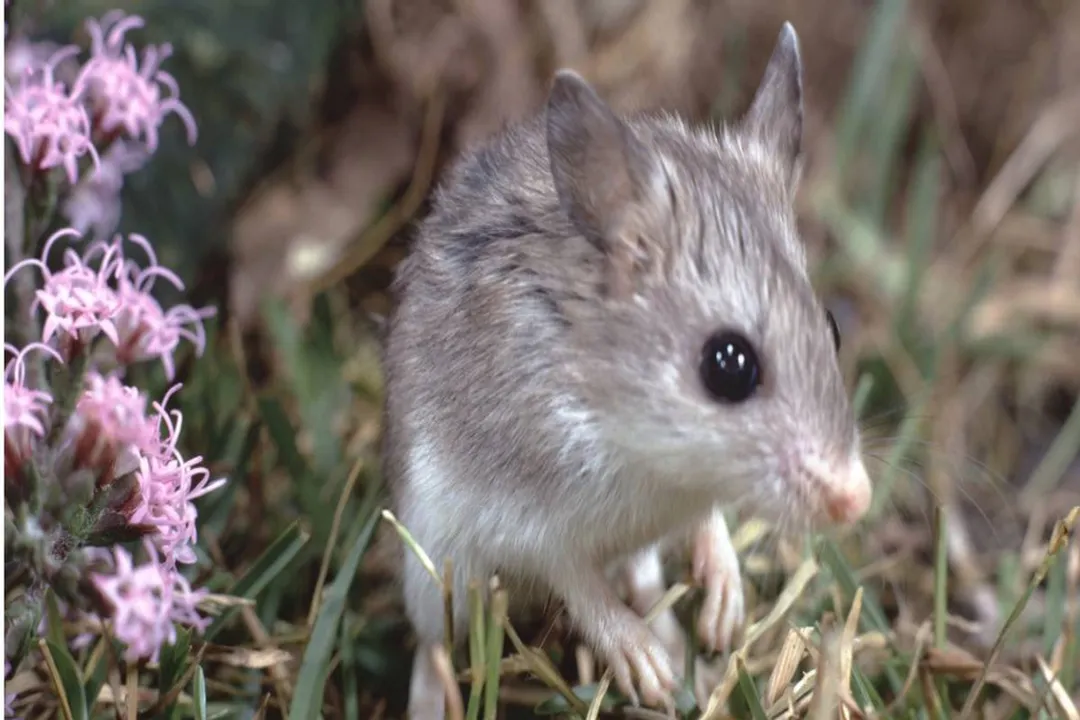
Perhaps the most famous aspect of the grasshopper mouse's feeding habits involves its willingness to tackle highly venomous prey: scorpions. [2][7] These rodents actively hunt and consume these arachnids, which many other predators avoid entirely due to the sting. [9] What makes this even more remarkable is the technique observed in some hunting instances: the mouse will reportedly bite off the scorpion's venomous stinger before consuming the rest of the body. [2][6][10]
This specialized behavior suggests an evolutionary adaptation that allows the mouse to neutralize the primary defense mechanism of its prey. [10] While the exact mechanism of their resistance to scorpion venom remains a fascinating area of study—some accounts suggest they may even howl after being stung, potentially an indicator of pain or a territorial display—the result is clear: they successfully secure a calorie-rich meal that other rodents cannot safely access. [6][8] The ability to dispatch and consume scorpions grants the grasshopper mouse access to an important food niche, especially in areas where other protein sources might be limited. [2]
# Vertebrate Targets
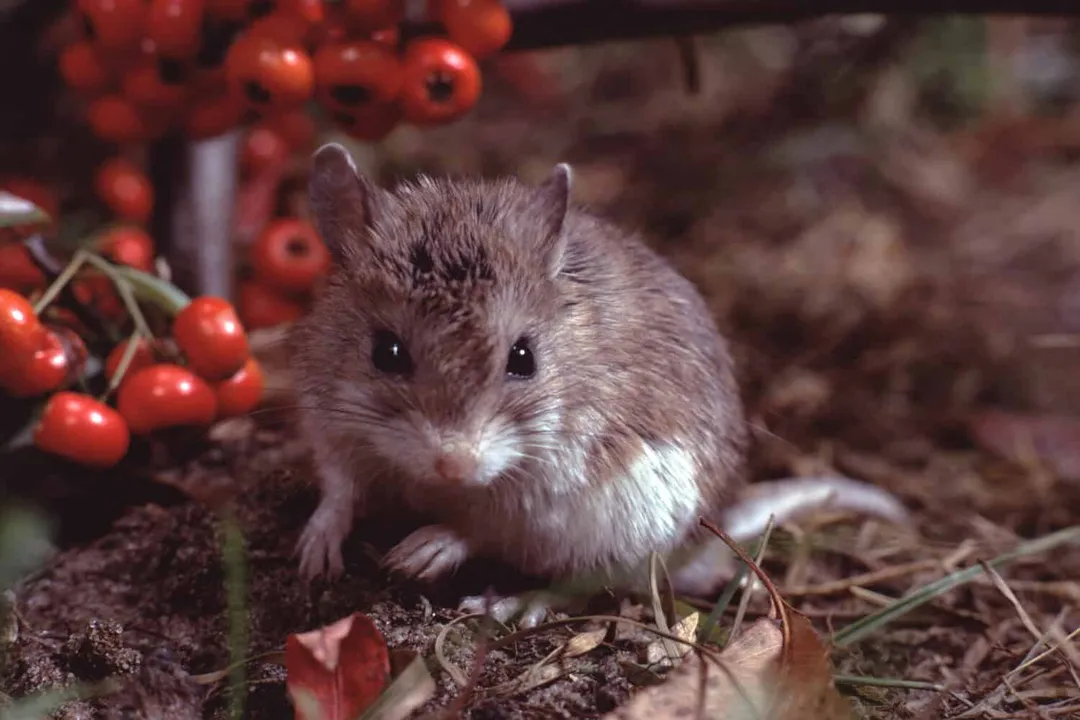
The carnivorous nature of the grasshopper mouse isn't limited to arthropods; they are fully capable of taking down small vertebrates. [1][7] Their hunting prowess extends to consuming other small mammals, such as mice and shrews, as well as small lizards and even small snakes. [3][8][9] This level of predation places the grasshopper mouse higher in the local food web than its size would typically suggest. [1]
When we contrast the consumption of a scorpion with that of a small shrew, we see a spectrum of predatory risk and reward. [7] A shrew might be a more substantial caloric gain but could also put up a fight, whereas a scorpion presents a venomous risk that the mouse has specifically learned to mitigate through its unique feeding habit. [2][10] This varied consumption of prey, spanning from fast-moving insects to slow reptiles and other mammals, highlights a broad predatory spectrum unmatched by many strictly insectivorous or granivorous desert dwellers. [3]
# Seasonal Hunting
The precise composition of what a grasshopper mouse eats is not static; it shifts depending on environmental conditions and availability throughout the year. [9] Since they are primarily nocturnal hunters, their main activity for securing food occurs under the cover of darkness. [1] In seasons when insects are abundant, the diet leans heavily toward grasshoppers, beetles, and crickets. [9] However, during leaner times, or when the opportunity arises, their predatory drive shifts to terrestrial vertebrates or other available arachnids to ensure survival. [9]
This flexibility in diet is a key survival strategy for a small mammal in variable desert or arid grassland climates. While the name suggests a specialization, their dietary reality points toward opportunistic generalism built upon a strong carnivorous foundation. This adaptability, allowing them to shift from chasing a swift grasshopper to tackling a slower lizard or a venomous scorpion depending on the moment, is a significant factor in their continued survival across various North American landscapes. [4][9]
Related Questions
#Citations
Grasshopper mouse - Wikipedia
Northern Grasshopper Mouse | Colorado Parks and Wildlife
Onychomys leucogaster (northern grasshopper mouse)
Northern Grasshopper Mouse | Rare Species Guide | Minnesota DNR
Grasshopper mouse unique behavior and diet - Facebook
TIL the Grasshopper mouse is a carnivorous rodent that eats ...
Grasshopper Mouse Animal Facts
Grasshopper mouse - Hidden Kingdoms - BBC
Meet the Critters! The Grasshopper Mouse - Kansas Wetlands ...
Predatory grasshopper mice: Current Biology - Cell Press