What does a grey mouse lemur eat?
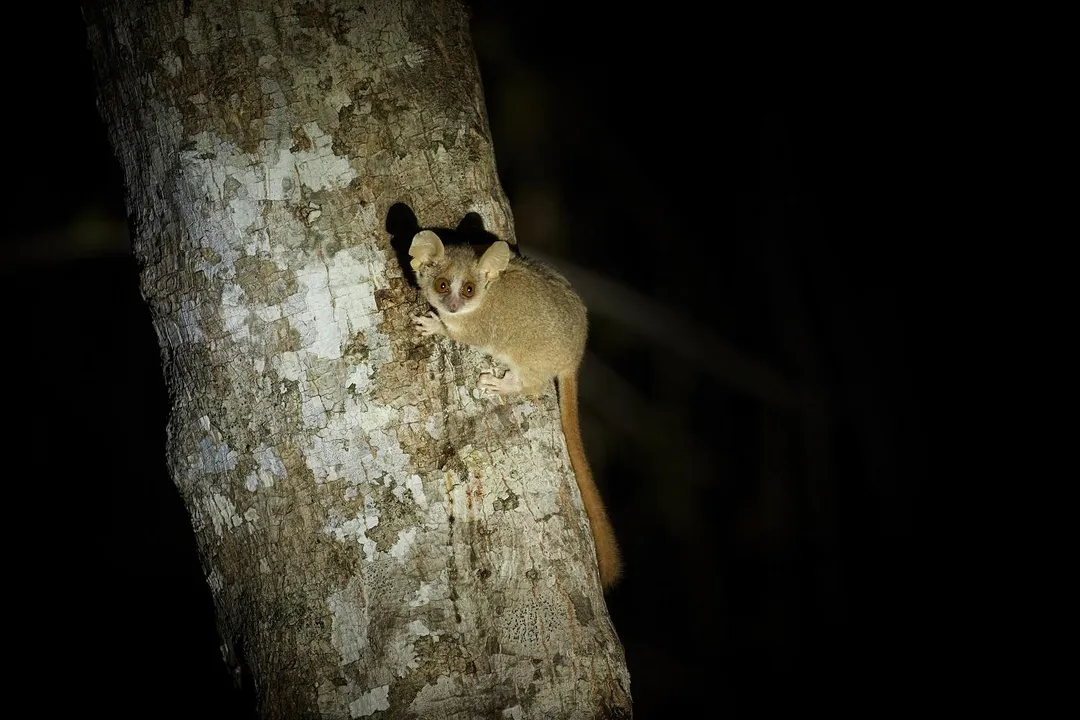
The grey mouse lemur, Microcebus murinus, maintains a nutritional strategy that firmly places it in the omnivore category, though its menu leans heavily in one specific direction. When observing what sustains these tiny primates throughout their active hours, the overwhelming evidence points toward an insectivorous foundation, supplemented by readily available vegetation products. Understanding this balance is key to appreciating how such a small mammal thrives in the diverse and sometimes challenging ecosystems of Madagascar.
# Omnivore Status
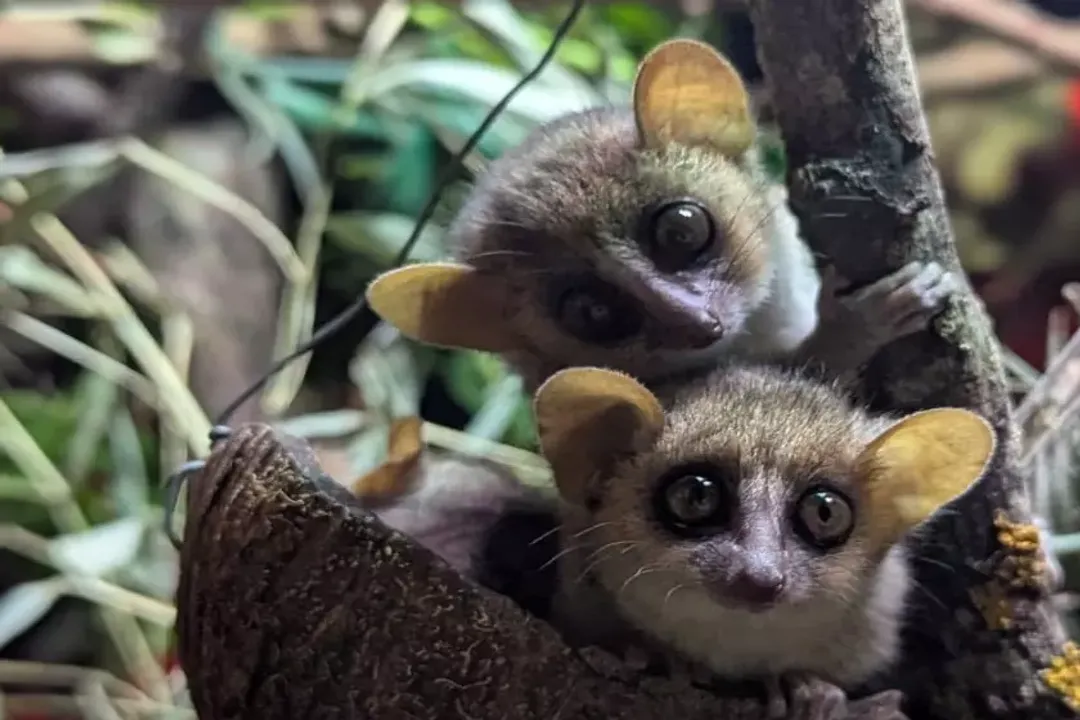
While the term "omnivore" correctly describes the grey mouse lemur's capability to consume both animal and plant matter, it doesn't fully capture the proportion of its intake. In practice, their survival seems intrinsically linked to the availability of animal protein, which forms the bulk of their caloric intake. This classification is crucial because it separates them from strictly frugivorous or nectarivorous primates, allowing them access to a wider array of nutrients when primary food sources fluctuate.
# Insect Focus
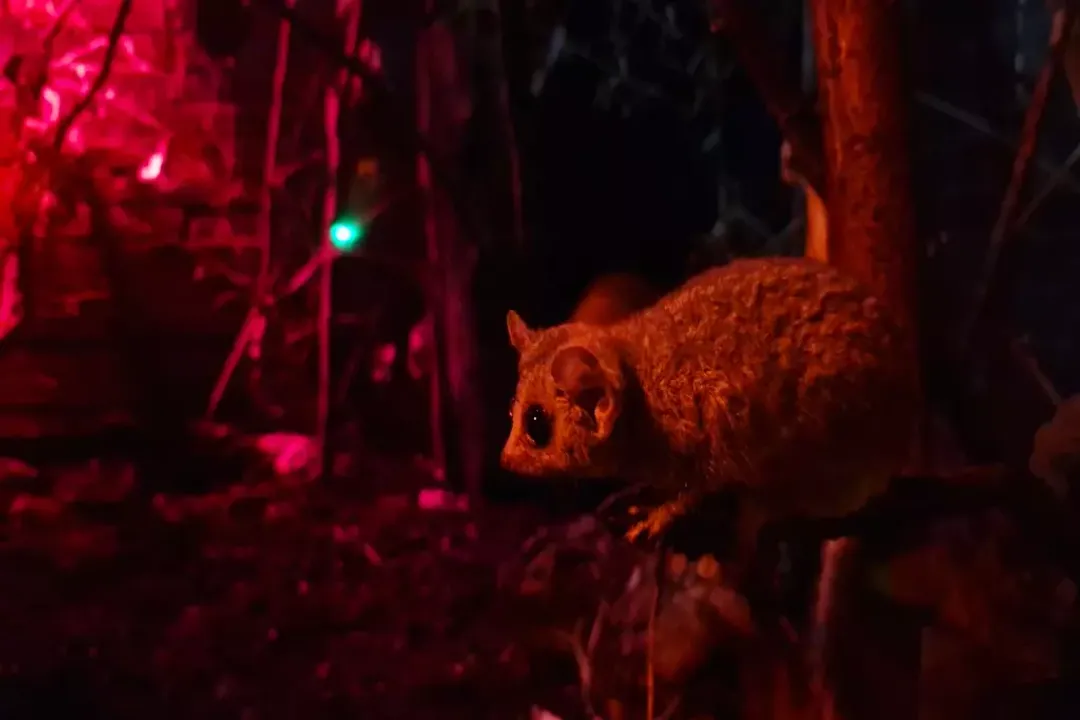
Insects represent the cornerstone of the grey mouse lemur's diet, making them decidedly primarily insectivorous. This preference is logical for a nocturnal, small-bodied creature; insects provide a dense package of protein and fat essential for maintaining their high metabolism. Their foraging time, which occurs under the cover of darkness, is spent actively hunting down these small prey items. While the specific types of insects consumed can vary based on location and season, the consistent need for this animal matter drives a significant portion of their nightly activity.
# Sugar Sources
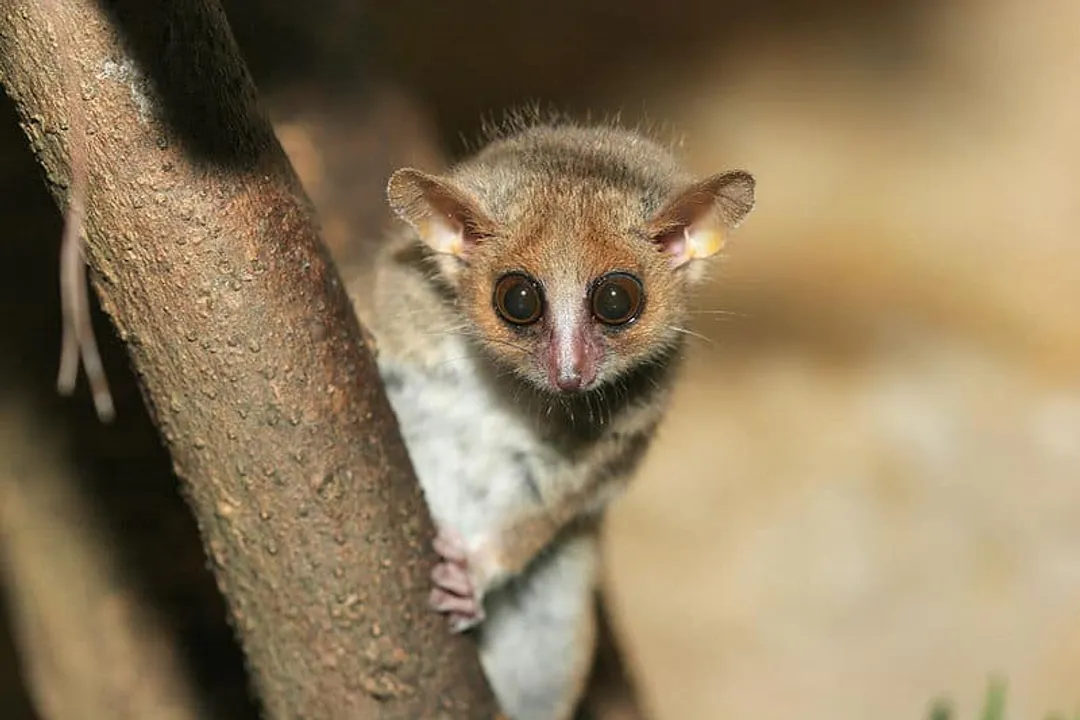
Beyond insects, the lemur supplements its intake with sweet and sugary items derived from plants. Nectar is a notable component, offering quick energy, likely gathered from small, night-blooming flowers. Fruit also finds its way into their diet when in season, providing essential vitamins and simple carbohydrates. Flowers themselves are sometimes ingested, adding variety and perhaps trace minerals to their feeding routine.
One component often mentioned alongside nectar and fruit is gum or tree exudate. This sticky substance, secreted by certain plant species, requires a specific feeding technique—often involving licking or scraping—to consume. The inclusion of gum suggests a specialized behavioral adaptation to exploit these slow-moving, energy-rich resources.
| Food Category | Primary Components | Citation Support |
|---|---|---|
| Animal | Insects | |
| Plant Sugars | Nectar, Fruit | |
| Exudates | Gum/Tree Sap | |
| Other Plant | Flowers |
# Diet Flexibility
The necessity of switching between catching a moth one night and licking sap the next highlights an important characteristic of these lemurs: pronounced dietary plasticity. Unlike some primates that specialize in leaves or a single type of fruit, the grey mouse lemur must remain opportunistic. This ability to pivot between high-protein insect capture and easily accessible plant sugars speaks volumes about the environment they inhabit. The forests of Madagascar are known for their seasonal variability, meaning that a dependable, narrow diet is often a recipe for disaster when resources become scarce, as they inevitably do during dry seasons or periods of low insect activity. Their generalized omnivorous structure acts as an ecological safety net, ensuring that if one food group vanishes, another can temporarily take its place to prevent starvation.
This reliance on diverse food sources suggests that the quality of the local habitat, rather than the presence of just one abundant resource, determines the population health of these small primates. For instance, a location rich in insects but lacking flowering plants or gum-producing trees might support the lemurs for a time, but a prolonged drought that affects both insect populations and plant exudates would put severe pressure on the local group.
# Nocturnal Menu
Considering their tiny size—often fitting in the palm of a hand—the grey mouse lemur’s feeding schedule is dictated by its need to avoid diurnal predators and exploit a different set of available resources. The fact that they rely on nectar and sometimes flowers implies they may be filling an ecological niche as nocturnal pollinators, an aspect of their feeding behavior that remains less studied than their insect consumption. While larger lemurs might focus on the ripe fruit that drops during the day, the mouse lemur targets the immediate, often hidden, nighttime bounty. This scheduling separation allows different primate species in the same forest to access food without direct competition for the exact same items at the exact same time.
If one were monitoring their feeding habits in a protected area, tracking the availability of nocturnal blossoms would be a far better predictor of their short-term energetic success than simply tracking fruit fall, as nectar provides immediate, high-octane fuel perfect for their active, nocturnal existence. This intricate dance with the nocturnal flora demonstrates a co-evolutionary relationship where the lemur gets calories, and the plant potentially gets its pollen moved under the cover of darkness.
# Summary
The grey mouse lemur’s diet is a testament to practical survivalism in a demanding environment. They are not strict insectivores, nor are they purely frugivores; they are fundamentally adaptable omnivores. By placing insects at the center of their feeding habits for necessary protein, they round out their caloric needs with energy-rich sugars from nectar, fruit, and tree gum. This flexible, opportunistic approach, executed under the cover of darkness, allows this tiny Malagasy native to persist where more specialized feeders might struggle.
Related Questions
#Citations
Gray Mouse Lemur - Facts, Diet, Habitat & Pictures on Animalia.bio
Grey Mouse Lemur - Microcebus murinus - A-Z Animals
Gray Mouse Lemur, Microcebus murinus
Eat Me: A Coevolution Story - Duke Lemur Center
Grey mouse lemur | London Zoo
Gray mouse lemur Facts for Kids
Though Grey mouse lemurs primarily eat insects and fruit ... - Reddit