Are grey mouse lemurs endangered?
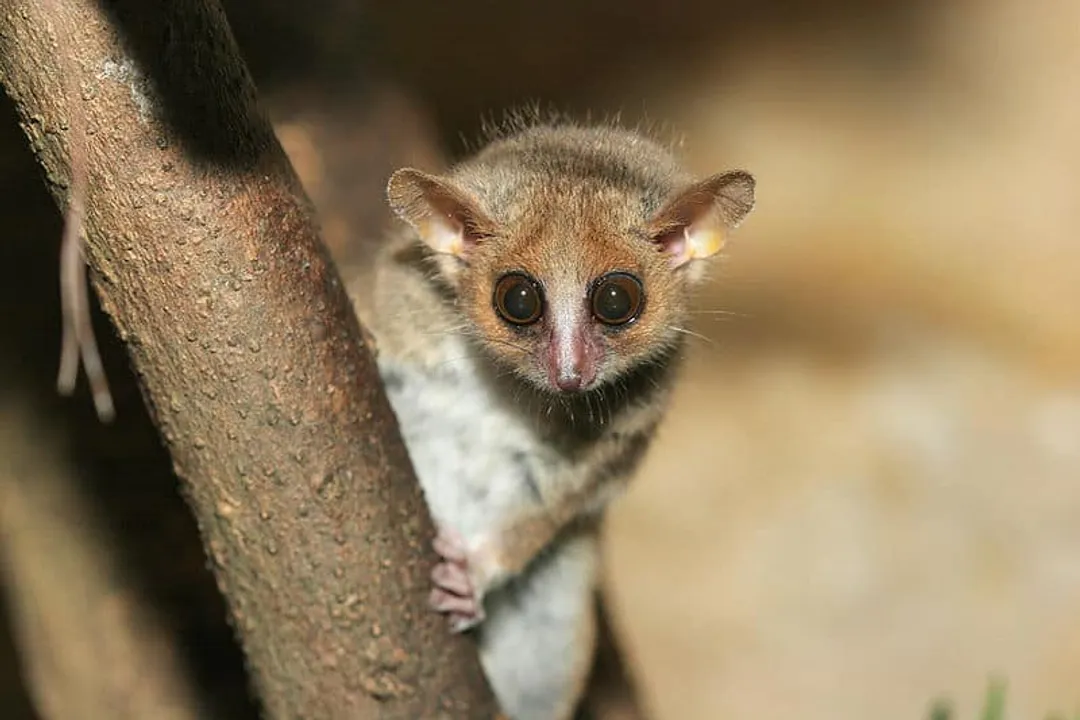
The grey mouse lemur, Microcebus murinus, is a creature so small it seems almost mythical, a tiny, nocturnal resident of Madagascar that embodies the island's unique evolutionary path. Weighing in at barely more than a few coins, this primate is easy to overlook, yet its conservation status is often misunderstood. The question of whether this miniature marvel is endangered requires a nuanced answer, one that places its specific classification in the context of the broader, imperiled lemur order.
# Status Check
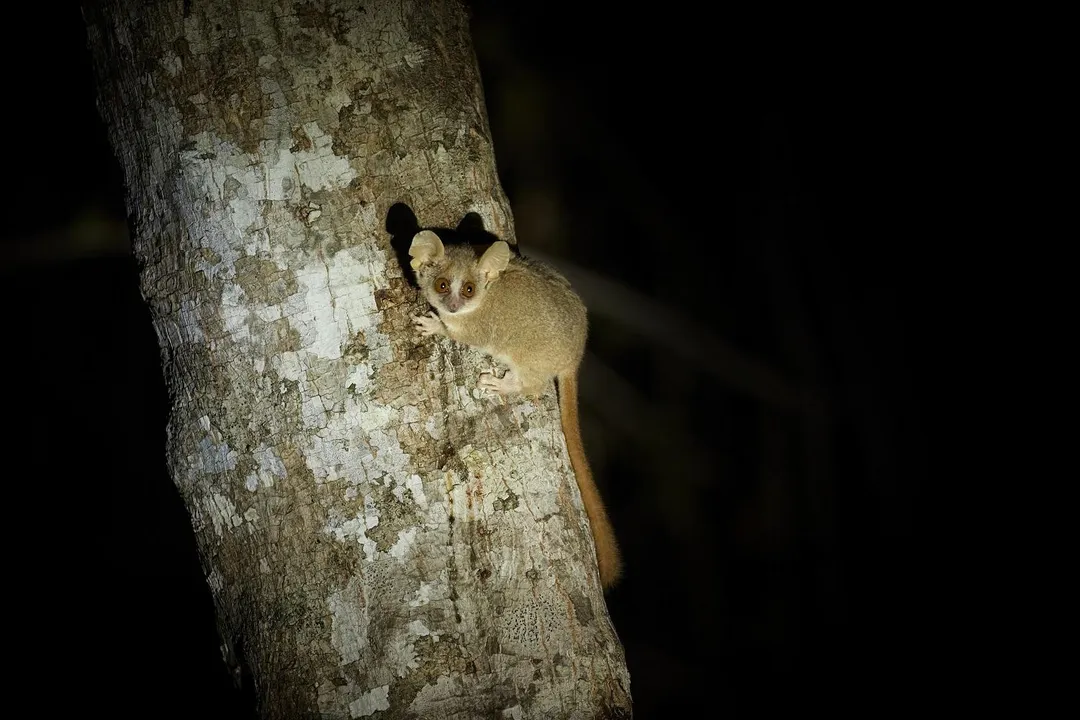
The grey mouse lemur is currently not classified as endangered by the International Union for Conservation of Nature (IUCN). The most recent assessments have listed Microcebus murinus as Least Concern (LC) on the IUCN Red List of Threatened Species, a status it held as of April 2020. This designation sets it apart dramatically from the majority of its relatives; in fact, a 2012 assessment indicated that over 90 percent of the world's lemur species were considered imperiled. While this official rating offers a temporary reprieve, it comes with a significant caveat: the population is known to be declining. Its status as "Least Concern" likely reflects its high adaptability compared to other, more specialized lemur species.
# Tiny Primate
These animals live up to their name, being among the smallest primates globally. An adult grey mouse lemur typically has a head and body length between 12 to 14 cm, with a tail that is often longer than its body, measuring around 13 to 15 cm. Their weight fluctuates significantly depending on the season, generally ranging from about 58 to 67 grams (around 2 to 2.4 ounces). This seasonal weight change is vital, as they fatten up their tails and hindquarters during times of plenty to sustain them when food becomes scarce. Their appearance is mouse-like, featuring soft, greyish-brown fur with reddish tones, prominent rounded ears, and large, round eyes that grant them exceptional night vision, aided by a reflective layer called the tapetum lucidum. For personal maintenance, they possess a specialized grooming claw on a hind digit and a dental comb formed by finely spaced lower incisors.

# Survival Cycles
As obligate nocturnal creatures, grey mouse lemurs spend their days sleeping, typically congregating in communal nests located in tree holes or dense leaf clumps when females are not tending to their young alone. They are arboreal, skilled at navigating the forest canopy by leaping up to 3 meters (nearly 10 feet) in a single bound. Their diet confirms their omnivorous nature, leaning heavily toward insects—beetles are a favored protein source—but also including fruit, flowers, nectar, and occasionally small reptiles or amphibians.
Their ability to persist, despite being a small mammal in a predator-rich environment, is partly due to an extraordinary physiological adaptation: torpor. During the drier, colder months (roughly May through August) when food is less available, the lemur drastically slows its metabolism, breathing, and body temperature to conserve energy. This hibernation-like state allows them to subsist on fat reserves. However, to meet the essential needs of recovery and muscle restoration, they must periodically emerge from torpor to experience normal sleep during the day, a complex balancing act that researchers find fascinating. The flexibility inherent in this adaptation—allowing them to survive in fragmented landscapes where other lemurs might fail—is likely why they remain relatively abundant across their varied range. This physiological adaptability, paired with their ability to utilize the "fine-branch niche" inaccessible to larger omnivores, gives M. murinus an ecological resilience that many of its lemur cousins lack.
# Social Dynamics
Despite being solitary foragers, social interaction is central to their survival, particularly for females. Female grey mouse lemurs exhibit unconditional dominance over males; they win nearly all competitions over food and space, which is thought to ensure females can secure the resources needed to raise their pups without male interference, as males offer no parental care. Females often form stable, related sleeping groups that function as a family unit during the day.
Communication relies heavily on scent marking and vocalizations, as vision is limited in the dense, dark forest. Their vocal range is surprisingly complex, featuring many calls too high-frequency for human hearing (ultrasonic). A notable discovery is the presence of "parental signatures" in male mating calls, which female offspring can identify, allowing them to vocally avoid mating with their fathers and thus mitigate inbreeding risk. This ability, once thought exclusive to large-brained, highly social species, shows a sophisticated foundation for social recognition in this seemingly primitive primate.
# Habitat Pressure
Grey mouse lemurs are restricted entirely to the island of Madagascar, inhabiting dry deciduous forests, scrublands, and even degraded areas near plantations along the western side of the island. While their adaptability allows them to persist across various wooded zones, the primary danger facing them, as with all lemurs, is the relentless loss of this native environment. Deforestation driven by agriculture, logging, and human expansion fragments their habitat, creating isolating patches of forest.
It is interesting to note the subtle, modern pressures they face. Research indicates that the presence of artificial illumination, or light pollution from human development, causes these strictly nocturnal animals to reduce their foraging time, as they actively try to avoid the light and the open corridors it illuminates. This means that even in protected areas, if development creeps close, the functional habitat size shrinks because the lemurs avoid traveling through brightly lit spaces to reach food. The survival of this species, even at "Least Concern" status, is directly tied to managing these pervasive, modern threats to the remaining tracts of Malagasy forest. Considering that this tiny animal may hold genetic keys to understanding human aging and diseases like Alzheimer’s—a key reason it is studied in research colonies—the irony of its continued existence hanging on the edge of escalating human encroachment is striking.
# CITES Listing
Although not immediately facing extinction, the trade in these animals is regulated internationally. The grey mouse lemur is listed under Appendix I of CITES (Convention on International Trade in Endangered Species), which means international commercial trade in wild-caught specimens is prohibited, though exceptions exist for accredited research and breeding programs. This protective measure is crucial, as illegal trapping for the pet market remains an identified threat to local populations. For the grey mouse lemur, stability comes from its generalist nature, but the future of all lemurs hinges on broader habitat protection efforts across Madagascar.
Related Questions
#Citations
Gray Mouse Lemur, Microcebus murinus
Grey Mouse Lemur - Microcebus murinus - A-Z Animals
Microcebus murinus (gray mouse lemur) - Animal Diversity Web
100 Lemurs, Days 46-60
Despite small brains, gray mouse lemurs use calls to avoid inbreeding
[PDF] IUCN Red List Status of Lemurs (Infraorder Lemuriformes)