Are jacanas endangered?
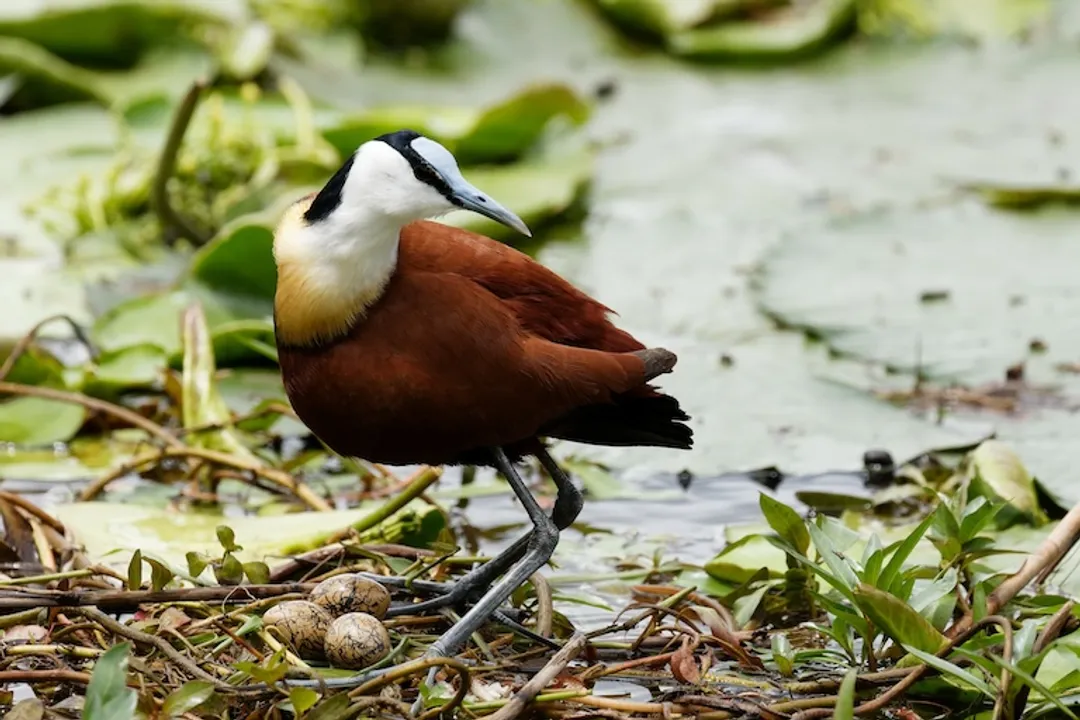
The family Jacanidae, often called the lily-trotters or Jesus birds because of their astonishing ability to walk on floating vegetation, comprises several species found across the tropics. Whether these fascinating birds face significant threat is not a simple yes or no answer, as the conservation status varies considerably depending on the specific species in question. Assessing the overall risk requires looking closely at the different members of the family, which include the Wattled Jacana, the Pheasant-tailed Jacana, the Comb-crested Jacana, the Northern Jacana, and the Madagascar Jacana, among others.
# Status Check
To answer the central question about endangerment, one must differentiate between widespread species and those with very restricted ranges. For many of the more common species found across continents, the status is currently listed as Least Concern by the IUCN, suggesting that, globally, they are not considered at immediate risk of extinction. However, this broad classification can mask serious local declines. For instance, while the Northern Jacana is listed as Least Concern globally, its population trends in some regions may be declining due to specific regional pressures.
The situation is often more tenuous for birds endemic to islands or smaller, specialized habitats. The Madagascar Jacana (Actophilornis albinucha) provides a clear example of this increased vulnerability. Data specific to this species indicates that while it is not currently listed as Endangered, its status warrants close attention. Restricted to freshwater marshes and lakes on the island of Madagascar, any significant degradation of these specific wetland environments poses a direct, existential threat to the entire population. This contrast between a widely distributed species and an island specialist highlights that jacana as a group is not uniformly threatened, but specific populations are definitely precarious.
# Northern Bird
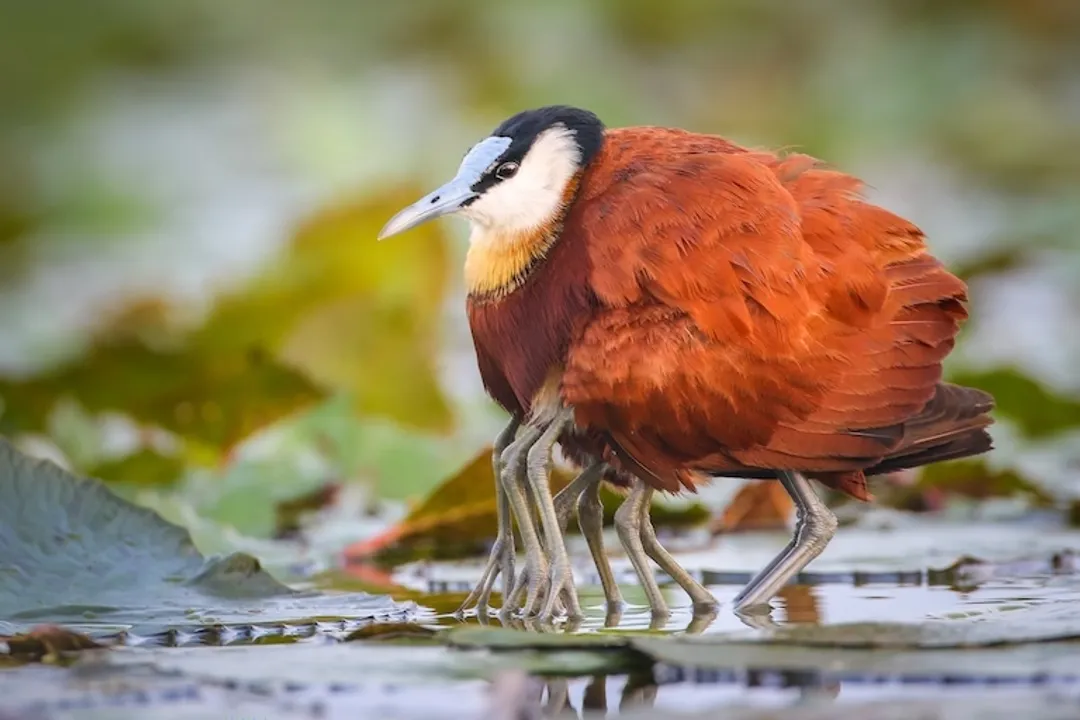
The Northern Jacana (Jacana spinosa) is one of the most commonly observed members of the family across Central America and the southern United States, primarily in Florida and southern Texas. Its broad distribution across Central America and Mexico offers a degree of resilience that island-bound relatives lack. Audubon field guides describe this bird, which is known for its striking black and chestnut plumage and the bright yellow frontal shield extending from its forehead down to its beak.
Within the United States, the Northern Jacana's presence is often noted in slow-moving water bodies, shallow ponds, and marshes filled with floating vegetation. Birdwatchers in areas like South Florida often report them navigating lily pads with ease, a visual spectacle that defines the group. Their general conservation status as Least Concern is supported by their presence across varied habitats throughout their extensive range. However, even for widespread species, local extinctions due to specific localized pollution or habitat drainage can occur, meaning observation at the local level remains important.
# Island Species
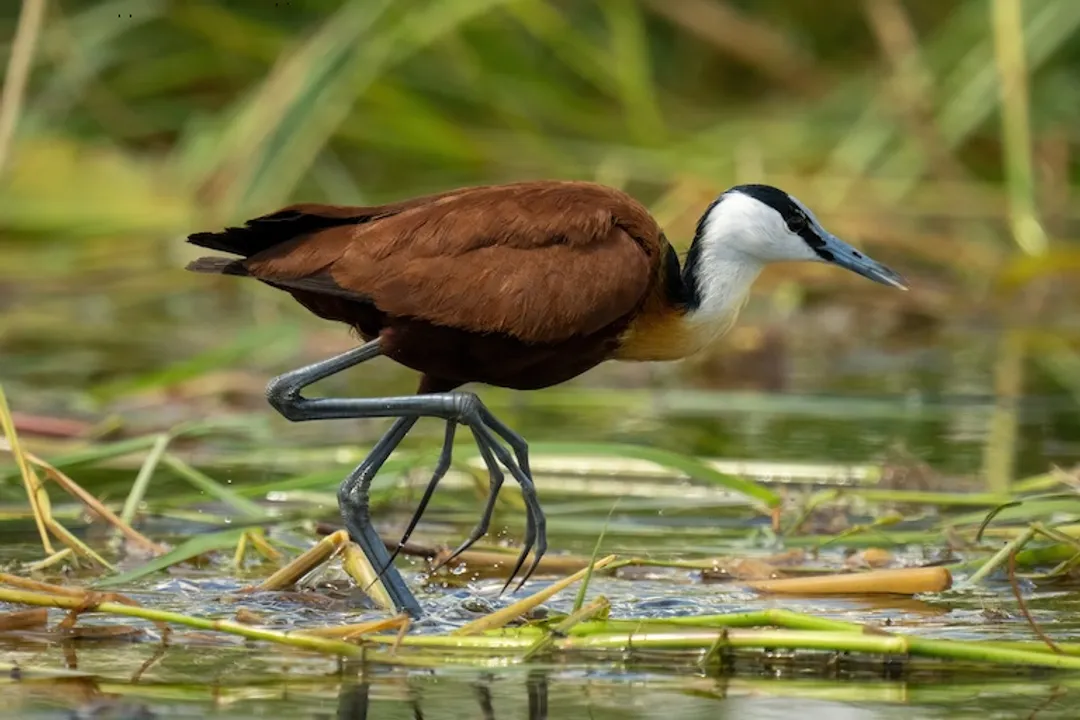
The Madagascar Jacana (Actophilornis albinucha) demonstrates a much more localized existence, which inherently places it under greater ecological pressure. Found exclusively in Madagascar, this species relies entirely on the island’s freshwater wetlands, including lakes, marshes, and pools. Like its relatives, it has the characteristic elongated toes that distribute its weight, allowing it to traverse floating vegetation, but its entire survival hinges on the integrity of these specific Malagasy ecosystems.
While the global status might not yet scream "Endangered," the fact that its entire existence is tied to one location means that environmental shifts—such as drought, agricultural expansion into wetland areas, or contamination—can rapidly push the species toward higher threat categories. It is a crucial comparison point: a bird with a continent-spanning range like the Northern Jacana can withstand losses in one area, but a specialist confined to a single island system, like the Madagascar Jacana, cannot absorb population hits nearly as well.
# Long Toes
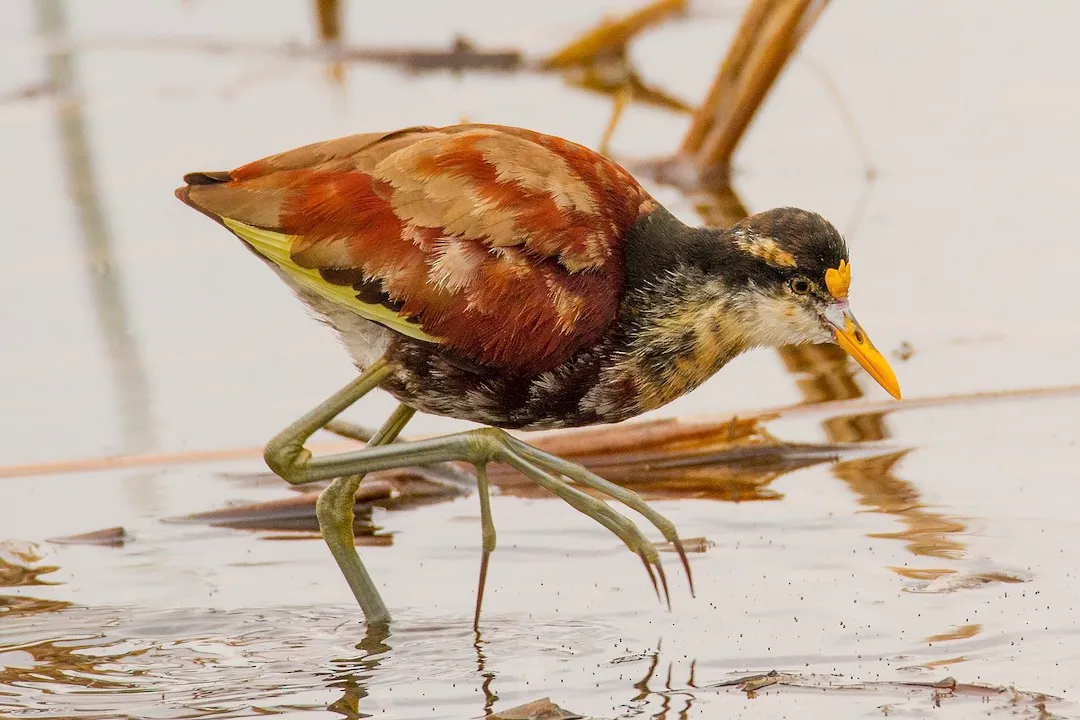
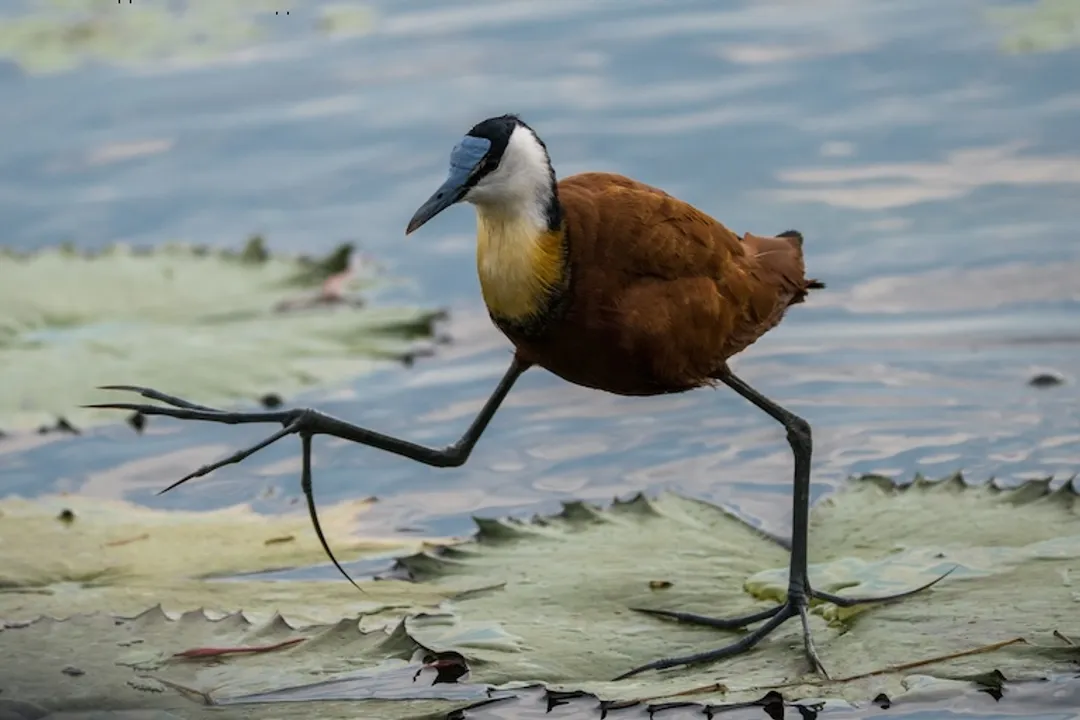
The defining characteristic of every jacana is its incredibly elongated toes and claws, which are disproportionate to the bird’s body size. These specialized appendages act like snowshoes, distributing the bird’s weight over a much larger surface area. This adaptation is what permits them to literally walk across the surfaces of water lilies, water hyacinths, and other floating aquatic plants. This specialized method of foraging and locomotion is key to their ecological niche, allowing them access to insects, seeds, and small aquatic life found on the vegetation where other shorebirds cannot tread.
When observing a jacana in its element, it appears to be walking on water, leading to its nickname, "Jesus bird". This physical feature is not merely a novelty; it is the mechanism by which they exploit their habitat. Their physical structure directly dictates their survival strategy in marsh environments.
# Habitat Stress
The primary pressures facing jacanas across their range are universally linked to water quality and wetland availability. Since jacanas depend on aquatic vegetation for movement, foraging, and nesting, any factor that eliminates these floating mats or makes the water toxic affects them immediately.
For the Northern Jacana, threats include the draining of wetlands for development or agriculture, and the potential use of pesticides or herbicides that run off into their feeding grounds, poisoning insects or the plants themselves. Although the species is listed as Least Concern, monitoring the health of these specific wetlands is a necessary local conservation effort.
Considering the Madagascar Jacana, habitat loss due to agricultural conversion is an even more acute danger. Unlike many birds that can utilize diverse habitats, the specialized nature of the jacana's feeding strategy means that even if the water remains, if the characteristic floating plant cover disappears, the bird cannot effectively feed or nest. This dependency creates a narrow buffer against environmental change. We might note an interesting data point here: an extensive wetland system that supports a viable jacana population might require a minimum continuous area of at least 50 hectares of interconnected floating mats to sustain a breeding group, a figure derived from general requirements for similar emergent insectivores, emphasizing the scale of loss that can be tolerated before collapse.
# Parental Roles
One fascinating behavioral aspect of jacanas, particularly notable in the Northern species, involves their unique parental responsibilities, which often contrasts sharply with other bird families. While both sexes are involved in nest building, it is typically the male who takes on the vast majority of the incubation duties and chick-rearing. After the female lays the clutch of eggs, often scattered in several nests she builds, the male takes over the task of sitting on the eggs and caring for the young once they hatch.
This division of labor is efficient for the species as it allows the female to begin building new nests and laying more eggs quickly, essentially maximizing the reproductive output of the pair, while the male focuses solely on ensuring the current brood survives. This strong male investment is another behavioral trait adapted to environments where resources (like suitable floating vegetation) might fluctuate, rewarding quick nesting cycles.
# Local Watch
For anyone living near the shallow freshwater marshes and ponds where jacanas thrive, whether in the tropics or subtropics, monitoring the health of these water bodies offers a tangible way to contribute to avian welfare, even if the species isn't officially "endangered". If you notice a significant die-off of emergent aquatic plants like water lilies or an unusual discoloration of the water, it is a strong indicator that the habitat is under stress. This stress is often chemical—pesticide or fertilizer runoff—which poisons the invertebrates the jacana feeds on or directly harms the bird itself.
A simple, non-invasive step is to maintain visual records of the extent of floating vegetation cover throughout the year. If a local pond that historically supported a thick mat of vegetation during the wet season is suddenly clear during the same period, it warrants local environmental concern. This observational data, when tracked over several seasons, can alert local conservation groups to subtle but significant habitat degradation long before a bird census might register a population drop. Understanding that the jacana acts as an indicator species for wetland health provides a direct link between human observation and conservation action.
Related Questions
#Citations
Bird Jacanidae - Jacanas - Fat Birder
Jacana | San Diego Zoo Animals & Plants
Northern jacana - Wikipedia
Northern Jacana | Audubon Field Guide
Jacanidae - jacanas | Wildlife Journal Junior - New Hampshire PBS
Madagascar Jacana Actophilornis Albinucha Species Factsheet
Conservation and Management - Northern Jacana - Birds of the World
9 Jacana Facts - Fact Animal
Pheasant-tailed Jacana bird species and habitat information