What dual utility heritage shaped the development of the Wyandotte breed?
Answer
Providing both adequate meat and reliable egg production
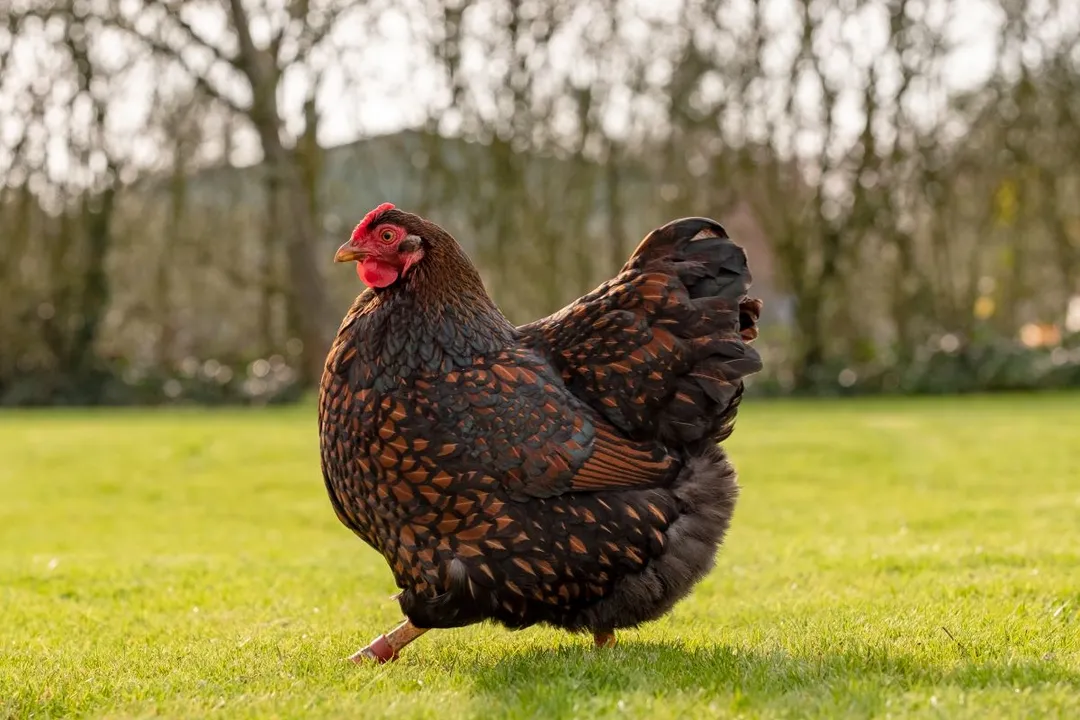
The Wyandotte was intentionally developed in the late 1800s to be a highly functional bird suitable for the American homestead environment. This is reflected in its dual-purpose heritage. It was bred to be substantial enough to yield adequate meat when necessary, while simultaneously being a reliable producer of eggs. This practicality, combined with its robust build and hardiness, made it a valued utility fowl, supported by its heavy, sturdy body structure and deep chest.
Related Questions
What comb structure provides Wyandottes with good protection against frostbite?What is the standard weight range for a mature Wyandotte hen?What defines the feather pattern of the original recognized Silver Laced Wyandotte?What is the physical characteristic of the Wyandotte’s legs and underlying skin color?What dual utility heritage shaped the development of the Wyandotte breed?Despite variations in feather lacing color, what color are the large eggs the Wyandotte produces?How is the Wyandotte’s dense feathering functionally described in relation to climate?What does the presence of a single comb on a Wyandotte chick strongly indicate?Which specific Native American group lent their name to this American chicken breed?How is the overall physical silhouette of the Wyandotte bird usually described?