Wyandotte Chicken Physical Characteristics
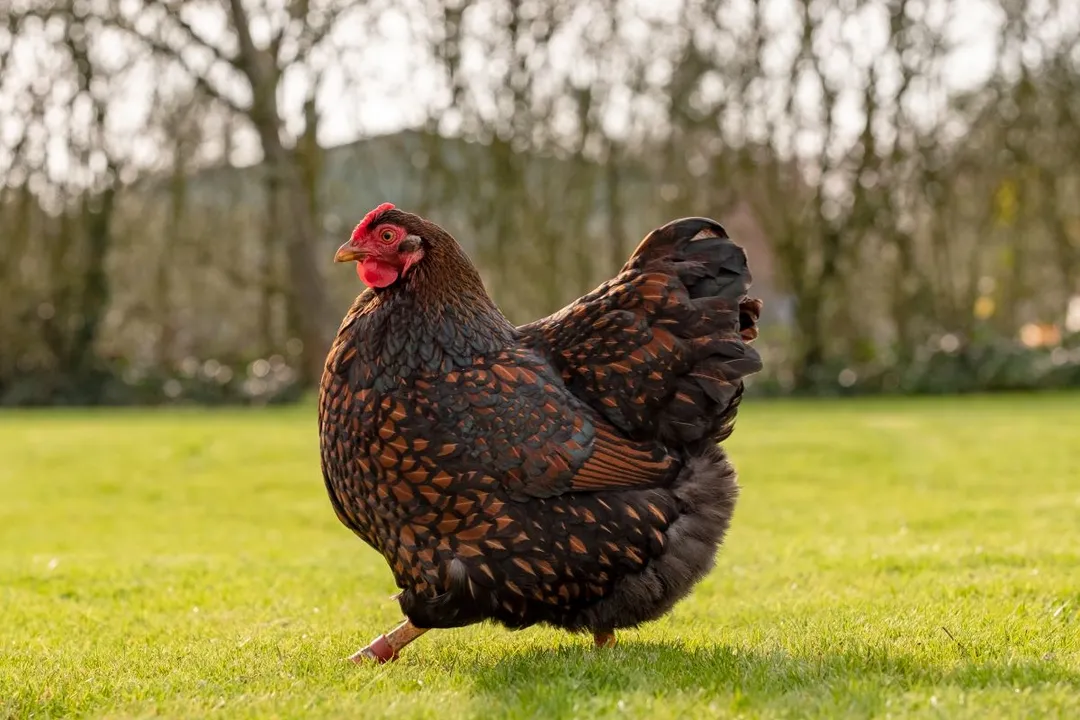
The Wyandotte chicken cuts an instantly recognizable figure in any flock, possessing a substantial, attractive build that speaks to its dual-purpose heritage. Developed in America during the late 1800s, this breed carries an air of stately beauty mixed with dependable practicality. [2][3][4] They belong to the American Class of poultry and were named in honor of the Wyandot people, despite the exact connection to the tribe remaining uncertain. [1][2] When assessing this bird’s physical makeup, several defining characteristics stand out, particularly those features that contribute to its hardiness and famed visual appeal.
# Stature and Weight
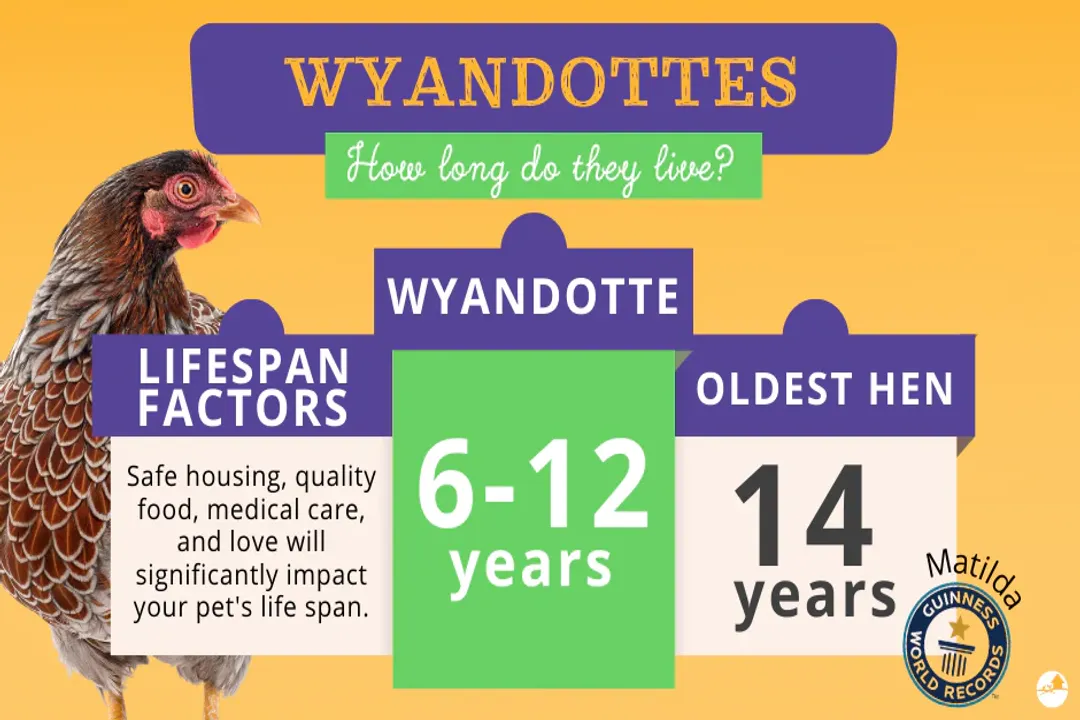
The foundational characteristic of the Wyandotte is its robust physical structure. This is a medium to large breed, intended from its inception to be a useful dual-purpose bird, providing both adequate meat and reliable egg production. [3][5] They are consistently described as heavy and sturdy, featuring a broad body and a deep chest, which gives them a rounded, full silhouette. [1][5]
Standard weights provide a clear picture of this substance. A mature Wyandotte rooster typically weighs in the range of 8.5 to 9 pounds. [1][3][5] The hens are slightly smaller but still substantial, generally clocking in between 6.5 and 7 pounds. [1][3][5] For breeders tracking growth, the cockerel is listed around 7.5 pounds and the pullet at 5.5 pounds. [1] It is worth noting that while the larger standard birds are common, the Wyandotte breed also has a recognized Bantam size, offering a smaller counterpart that retains the same desirable physical traits. [2]
When observing a flock, a keeper might notice that the heavier body contributes significantly to their noted cold hardiness. [2][5] A heavier bird often has better thermal mass to retain warmth. However, this same density means Wyandottes are generally not known for being strong flyers and may prefer to stay close to the ground or their immediate surroundings.
# Comb Structure
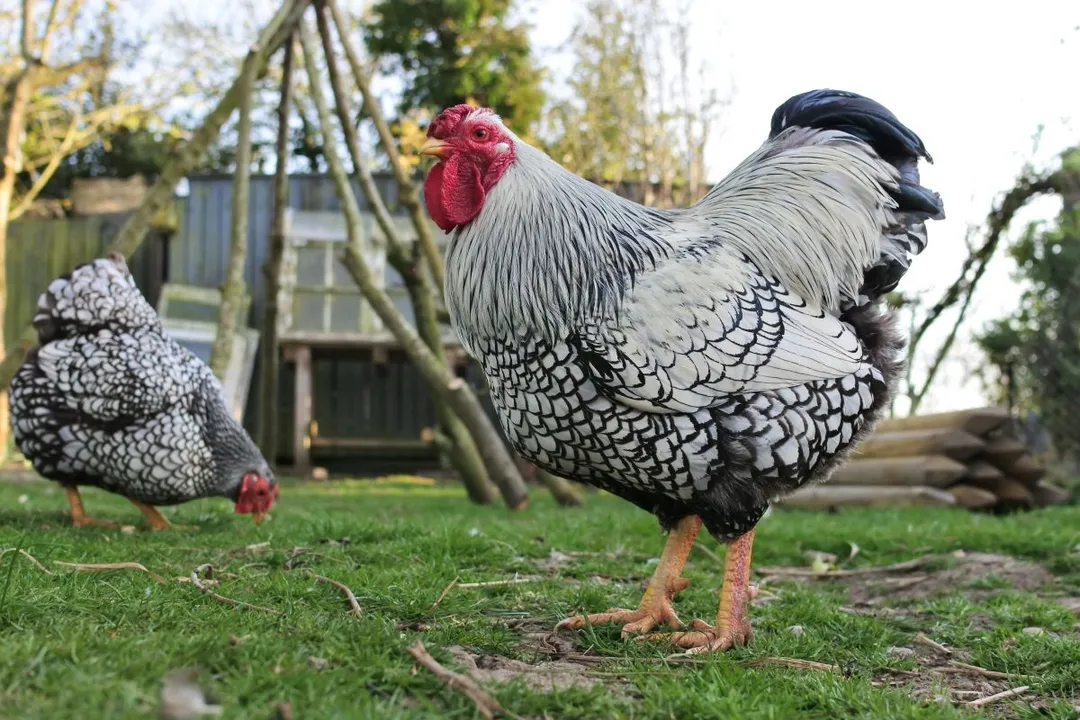
Perhaps the most functionally significant feature on the Wyandotte’s head is its rose comb. This structure is distinctively low-profile, appearing relatively flat and decorated with small, rounded points. [3][5] Crucially, the rose comb is considerably smaller on the hen than on the rooster. [3]
This specific comb style is a major advantage for keepers in colder regions. Unlike the large, floppy, single combs found on breeds like the Rhode Island Red, the rose comb is much less susceptible to frostbite. [1][3][5] When temperatures plummet, large single combs can freeze, crack, and potentially lead to infection or stress, whereas the Wyandotte’s tight profile keeps that sensitive tissue relatively protected. If a keeper notices a Wyandotte chick developing a single comb, it is a strong indicator that the bird is not purebred, as these single-combed offspring should generally be excluded from breeding programs aiming for the standard. [1]
The facial features accompanying the comb are consistently bright red. This includes the face, the wattles hanging beneath the beak, and the earlobes. [3] The rooster also displays full and flowing neck hackles, adding to the breed's overall ornamental appeal. [3]
# Feathering and Lacing
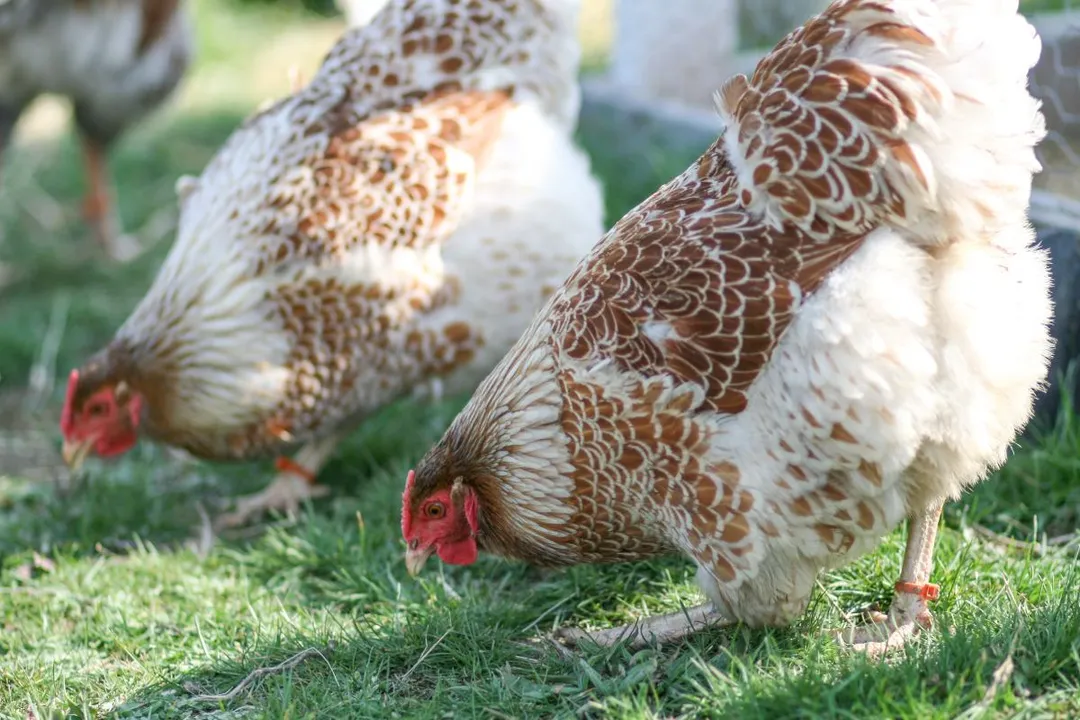
What truly brings the Wyandotte into the realm of being a "splendid bird" is its plumage. [2] The feathering is characterized as being dense and fluffy, which contributes to both its beautiful appearance and its excellent insulation against the cold. [5][2]
The pattern is key to their popularity, especially the laced varieties, which are frequently cited as the most visually striking. [2][5] Lacing refers to the dark outline of a feather contrasting sharply with the lighter color of the feather's center. The two foundational and most common varieties showcase this perfectly:
- Silver Laced Wyandotte: This was the original color recognized by the American Poultry Association (APA) in 1883. [3] It features a white ground color with a precise black edge defining each feather. [3]
- Golden Laced Wyandotte: Similar to the silver, this variety uses a rich, golden-buff color for the feather center, again bordered by a distinct black line. [2][4]
Beyond these laced standards, the APA recognizes several other established patterns, including solid colors and penciling. [1][4] The recognized APA varieties include: Black, Blue, Buff, White, Partridge, and Silver-Penciled. [1][3][4][5] Furthermore, breeders have developed less common or non-APA recognized colors such as Blue-Laced Red, Chocolate, and Lavender, showcasing ongoing development within the breed. [3][4] It is an interesting point that while the Blue Laced variety has striking blue/grey lacing, they still produce the breed’s standard large brown eggs; the feather color does not dictate egg color. [2]
A practical physical characteristic related to the dense feathering is the rear end. Keepers should be aware that the Wyandotte’s particularly feathery and fluffy behind can sometimes accumulate droppings, necessitating an occasional trim to maintain cleanliness and health. [2]
# Legs and Undercarriage
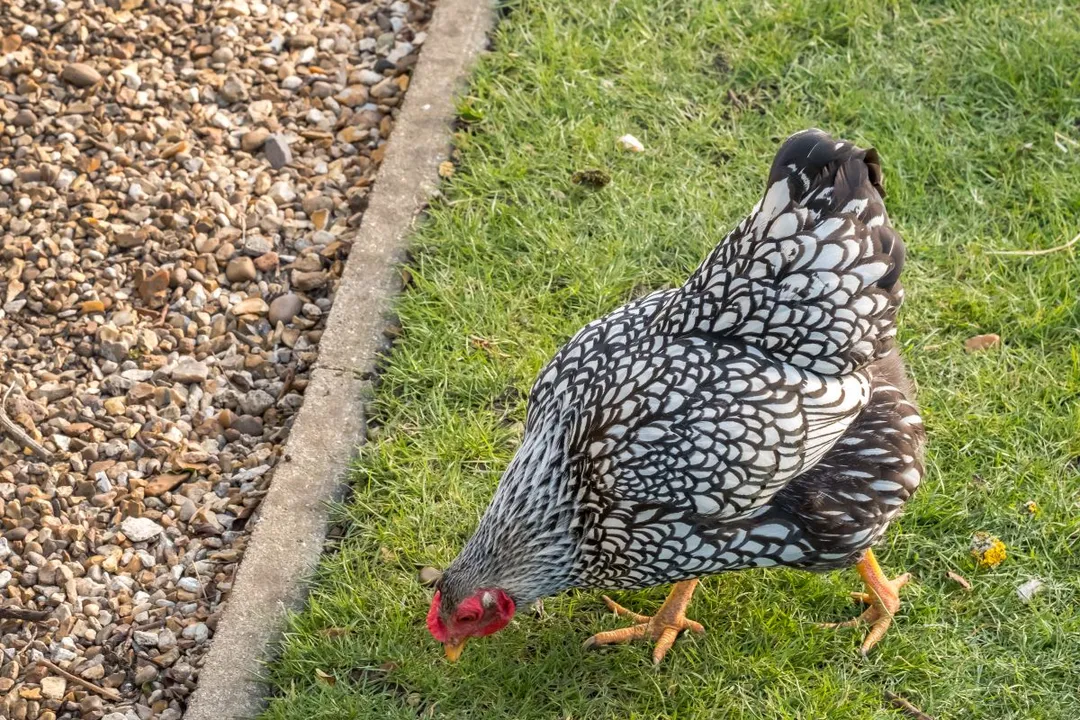
The lower extremities of the Wyandotte are distinctly characterized by clean, feathered yellow legs. [3][5] Clean legs mean there is no feathering extending down the shanks or onto the outer toes, which is common in breeds like the Cochin. This lack of feathering is advantageous in muddy or snowy conditions, as it reduces the chance of mud packing up or ice balling around their feet, a trait that simplifies winter care compared to heavily feathered-legged birds. [2] Like most chickens, they possess four toes on each foot. [3][5] The skin color underneath the yellow shanks is typically described as yellow. [1]
# Color Variety Management in the Backyard
For the average backyard keeper, selecting a variety often comes down to aesthetic preference, but there is a subtle functional difference related to camouflage and visibility. While the Golden Laced and Silver Laced are stunning, a solid-colored bird, like a Black or White Wyandotte, might be less conspicuous to aerial predators when free-ranging in certain environments compared to a highly patterned laced bird. [1] Conversely, the striking patterns of the laced varieties make them exceptionally easy to spot in tall grass or brush, which is a benefit when doing your daily flock count or ensuring no one has wandered too far. [3] A balanced approach might involve selecting a mix of patterns to enjoy the variety while ensuring a few solid-colored birds offer slightly better visual blending depending on your specific landscape.
# Key Physical Summary Table
To clearly illustrate these defining traits, a quick reference is helpful:
| Feature | Description/Standard | Significance |
|---|---|---|
| Comb Type | Rose Comb (flat, small rounded points) [1][5] | Excellent cold-weather hardiness; minimizes frostbite risk. [3] |
| Legs/Feet | Clean, Yellow legs; Four toes [3][5] | Easier maintenance in wet/muddy conditions than feathered legs. [2] |
| Body Type | Heavy, Broad, Rounded, Deep Chest [5] | Contributes to dual-purpose utility (meat/eggs) and cold tolerance. [5] |
| Rooster Weight | 8.5 to 9 lbs [1][3][5] | Medium to large classification. [5] |
| Hen Weight | 6.5 to 7 lbs [1][3][5] | Medium to large classification. [5] |
| Skin Color | Yellow [1] | Standard for this American breed. [1] |
| Plumage Base | Dense and Fluffy [5] | Provides insulation, aiding cold-hardiness. [2][5] |
The Wyandotte is a breed defined by its pleasing geometry—the rounded body, the neat rose comb, and the striking repetition of the laced pattern across its dense feathers. These physical attributes combine to create a bird that is not only beautiful enough for the show pen but rugged enough for the typical American homestead.
Related Questions
#Citations
Wyandottes: A Comprehensive Guide - Backyard Chicken Coops
Wyandotte Chickens - Breeds of Livestock - Oklahoma State University
Wyandotte Chicken Breed Guide - Tractor Supply
Wyandotte Chicken Breed Profile: A Handsome Homestead Favorite
Wyandotte Chicken Breed: The Ultimate Guide
A Guide to Wyandotte Chickens - Tennessee Farmers Cooperative
Breed Profile: Wyandotte Chickens — A Top Backyard Choice
Wyandotte Chicken - The Livestock Conservancy