What condition does resisting slight manual pressure suggest in torticollis assessment?
Answer
A more structural or osseous problem.
When assessing an adult experiencing torticollis, the response to gentle manual pressure provides a diagnostic clue regarding the origin of the misalignment. If the restricted head posture strongly resists even slight movement when an external force is applied, this rigidity points toward underlying structural pathology. This type of resistance implies that the limitation is rooted in the physical components like the bones or joints of the cervical spine, categorized as an osseous problem. Conversely, if the position yields to gentle correction, it suggests a functional cause, such as acute inflammation or a muscle spasm, which involves soft tissue that is less rigid than bone or joint structure.
Related Questions
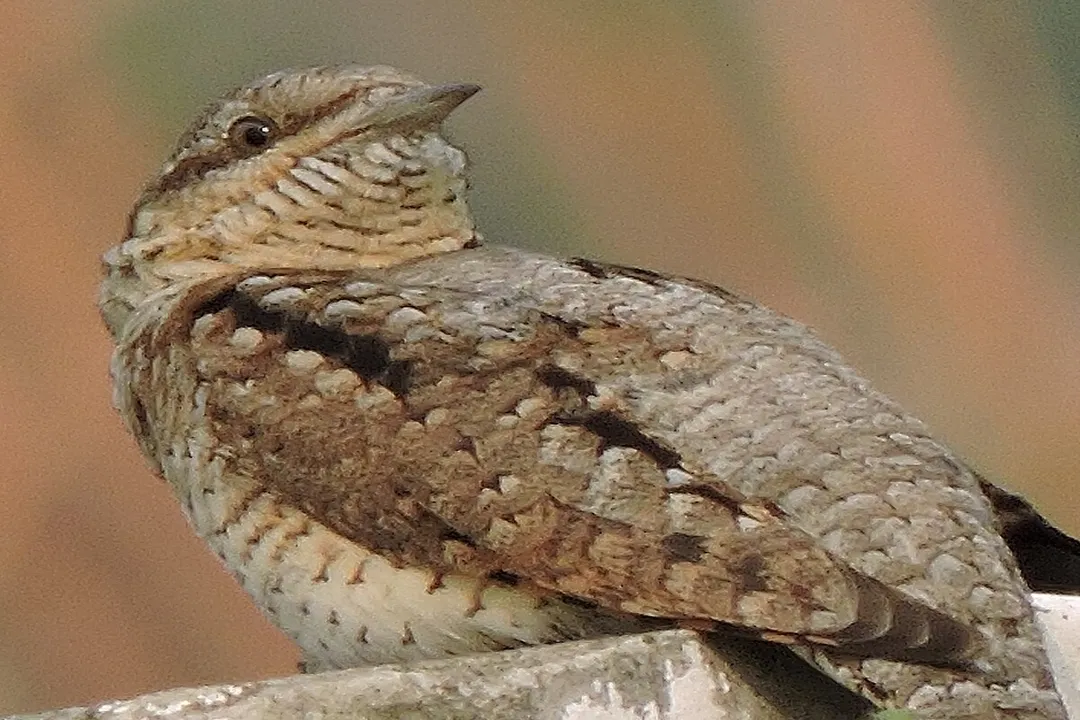
What head posture defines human torticollis regarding the chin and ear?What condition does resisting slight manual pressure suggest in torticollis assessment?Which muscle is primarily shortened in Congenital Muscular Torticollis (CMT)?What small, firm mass can sometimes be palpated within the affected SCM in CMT infants?What secondary skull characteristic often results from persistent head tilt in infants with CMT?What is the scientific name given for the bird species referred to as the wryneck?How do the tail feathers of the wryneck differ from those of "true" woodpeckers?What creature does the Eurasian Wryneck deliberately mimic during its defensive display?What is identified as the root physical anomaly in Congenital Muscular Torticollis (CMT)?When might the visual asymmetry of torticollis in an adult only become apparent?