Wryneck Physical Characteristics
The presentation of a wryneck, whether referring to the human medical condition known as torticollis or the specialized bird species, immediately suggests a deviation from the expected norm regarding the head and neck alignment. For people, this term generally describes a twisting or tilting of the neck that causes the head to be held awkwardly, with the chin typically rotated toward one shoulder while the ear on the same side tilts toward that shoulder. This misalignment can be acute, appearing suddenly, or chronic, developing over time. The physical manifestation is often quite noticeable; the person may exhibit a fixed head position that is difficult or uncomfortable to change.
# Posture Observation
In an adult experiencing torticollis, the physical characteristic is the abnormal posture itself, which might stem from various underlying causes ranging from muscle tightness to structural issues within the cervical spine or nervous system. When assessing the physical tilt, it is helpful to note if the head position is completely fixed. If the restricted position can be voluntarily or gently corrected by manual pressure, it might suggest a functional cause, such as a muscle spasm or acute inflammation. Conversely, a posture that resists even slight movement points toward a more structural or osseous problem involving the bones or joints themselves. Sometimes, the visual asymmetry is slight, meaning it may only become apparent when the individual is fatigued or performing specific actions, yet other times the deviation is pronounced and constant.
# Tissue Origins
The physical characteristics of torticollis are intrinsically linked to what is physically restricted. In congenital muscular torticollis (CMT), the primary physical characteristic is the shortening or tightening of the sternocleidomastoid muscle (SCM) on one side of the neck. This specific muscle connects the breastbone and collarbone to the mastoid bone behind the ear. In many cases of CMT, particularly in infants, a small, firm, non-tender mass or "knot" can sometimes be felt within the affected SCM muscle. If the condition is due to skeletal issues, the physical appearance relates to the abnormal shape or fusion of the cervical vertebrae—the bones of the neck—rather than just soft tissue restrictions. Different origins produce different tactile and visible physical differences, even if the resulting head tilt appears similar externally.
# Infantile Signs
For infants diagnosed with congenital muscular torticollis, the physical characteristics can involve more than just the neck tilt itself. Because an infant’s skull is soft and malleable, a persistent head tilt can lead to secondary physical characteristics, notably plagiocephaly, or a flattening of one side of the back or front of the head. Parents might also notice that the baby consistently favors turning or looking only in one direction. While this preference is neurological, it is rooted in the physical limitation imposed by the tight SCM muscle. Observing the infant’s face can also sometimes reveal subtle differences in height or positioning between the eyes and cheeks due to the constant, asymmetrical pull on the skull base and facial structures. It is important to remember that while the immediate symptom is postural, the root physical anomaly in CMT is tissue restriction, making the muscle the key area of difference.
It can be insightful to track head circumference measurements in infants with any noted positional preference, not just for clinical evaluation, but to document the rate of change in skull flattening over months. A consistent pattern of uneven growth in the head shape, even when the neck movement seems marginally improved, flags the need for continued physical therapy intervention to ensure symmetry is fully regained.
# Avian Structure
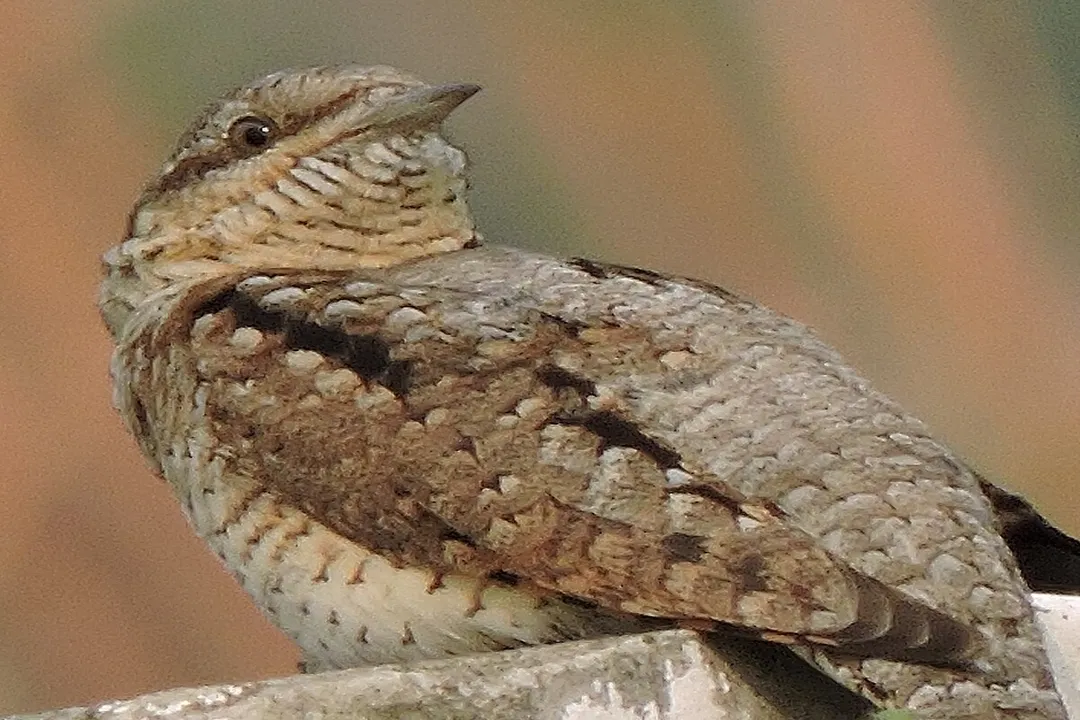
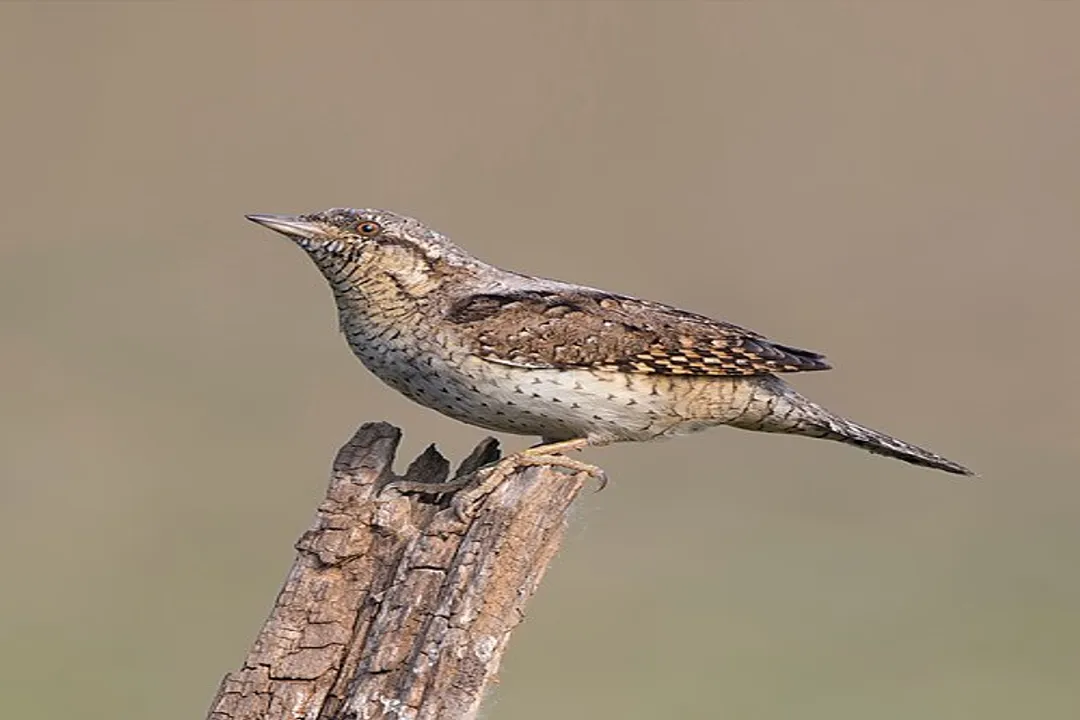
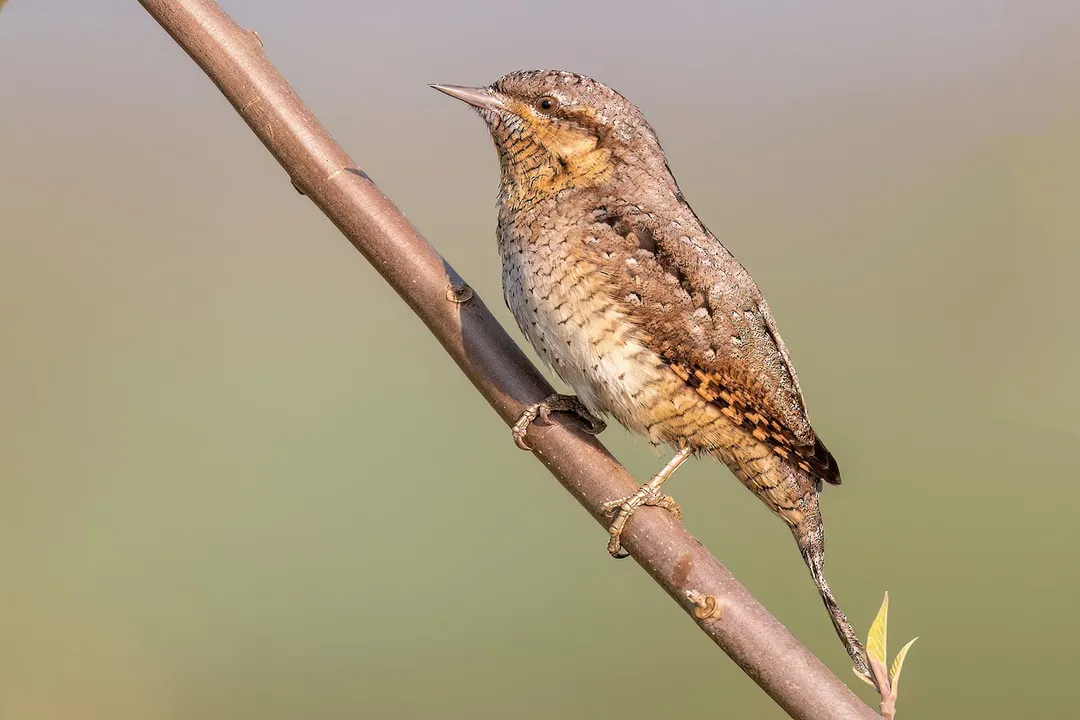
Shifting focus entirely from medicine to ornithology, the term wryneck refers to a bird species, most commonly the Eurasian Wryneck (Jynx torquilla). Physically, this bird is smaller than many typical woodpeckers, to which it is closely related, possessing a slender, pointed bill suitable for probing. Its overall size is relatively small, usually measuring around 16 to 17 centimeters in length.
Its plumage offers superb camouflage, crucial for a bird that often nests in tree cavities or relies on hiding on bark. The upper parts are typically mottled brown, gray, and black, effectively mimicking rough tree bark. The underside is paler, often appearing creamy or buff, marked with dark streaks or spots. A distinguishing physical trait that separates it from the "true" woodpeckers is its tail; unlike those birds, the wryneck's tail feathers are soft, meaning they cannot be used to prop itself up vertically against a tree trunk for support.
# Defensive Display
Perhaps the most memorable physical characteristic of the Eurasian Wryneck is its unique defensive behavior, which directly relates to its name. When confronted or disturbed, especially near its nest, the bird will adopt a dramatic posture quite unlike its usual subtle appearance. It will fan out its wings and tail, hiss loudly, and then begin to jerk its head spasmodically from side to side. This side-to-side swaying, combined with the hissing, creates a startling illusion—the bird deliberately mimics a snake to deter predators. This striking performance is a temporary but significant physical transformation from its otherwise drab, cryptic appearance.
Considering the bird's excellent bark-mimicking camouflage, the snake-like defensive display serves as a necessary second line of defense. The bird spends much of its time looking like an inanimate part of the tree, but when that camouflage fails, the sudden, jerky, hissing movement acts as an effective startle tactic, suggesting danger or toxicity where there is none. This transition from stillness to erratic motion is a critical physical adaptation for survival in its specific ecological niche.
Related Questions
#Citations
Torticollis (Wryneck) | Johns Hopkins Medicine
Wryneck - Wikipedia
Torticollis (Wryneck): Symptoms, Causes & Treatment
Torticollis (Wryneck} - Boston Children's Hospital
Wry Neck (Torticollis): Causes, Types, and Symptoms - Healthline
Wryneck - The Wildlife Trusts
Eurasian Wryneck - Jynx torquilla - Birds of the World
Understanding Wry Neck: Causes, Symptoms, and Treatment
Congenital Muscular Torticollis (Twisted Neck) - OrthoInfo - AAOS