What characteristic of meadow voles distinguishes their feeding behavior?
Answer
They show a strong bias toward above-ground vegetation like grasses and seeds
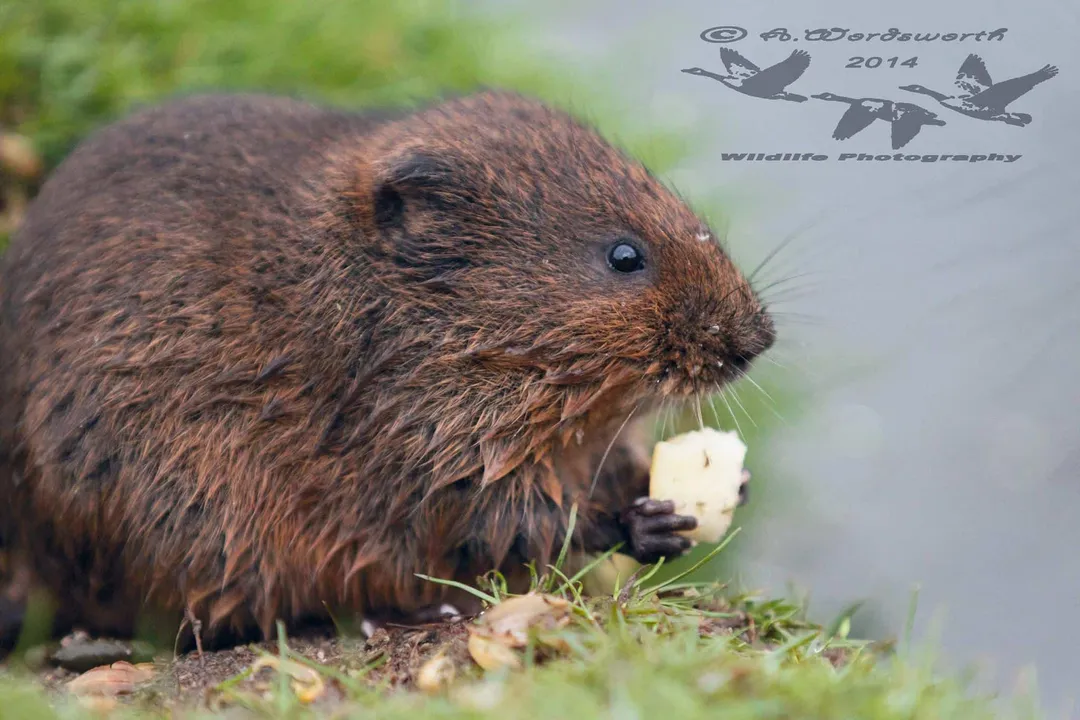
Meadow voles, also known as field mice, have specific dietary inclinations that influence the type of damage they cause in a landscape. Unlike pine voles, which focus on underground components, meadow voles are primarily focused on the surface. They rely heavily on above-ground plant materials, specifically targeting grasses and seeds. Consequently, their presence is often marked by surface-level damage, such as visible runways in turf or the consumption of surface-level plants, rather than the systemic underground destruction associated with other species.
Related Questions
What is the primary dietary classification of voles based on their feeding habits?What specific behavior results in the death of woody plants due to vole activity?Which plant parts do pine voles specifically target more frequently than meadow voles?What causes the seasonal shift in the diet of voles from green vegetation to bark and roots?Why must voles feed frequently throughout the day?What is the primary function of the tunneling behavior of voles in relation to their diet?Why is vole damage to subterranean plant parts often mistaken for disease?During the active growing season, what is the preferred food source for voles?How does the consumption rate of a single vole family impact a garden during peak feeding times?What characteristic of meadow voles distinguishes their feeding behavior?