Vole Diet
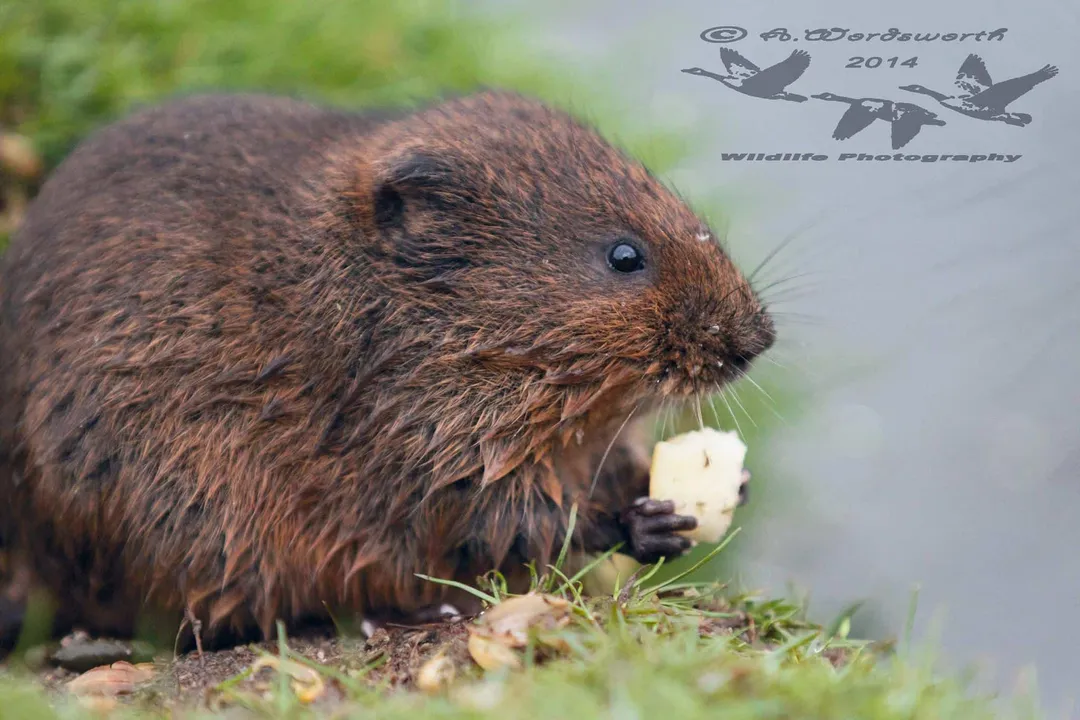
Voles are perhaps best known for being prolific burrowers and creating visible runways across lawns, but understanding what drives their movements—their diet—is key to predicting their presence and impact on a landscape. These small rodents are strictly herbivores, meaning their entire sustenance comes from plant matter, though the specific menu changes dramatically depending on the time of year and what vegetation is locally available. [3][7] Their dietary flexibility is what allows them to thrive in such a wide range of habitats, from open fields to suburban yards.
# Herbivore Staples
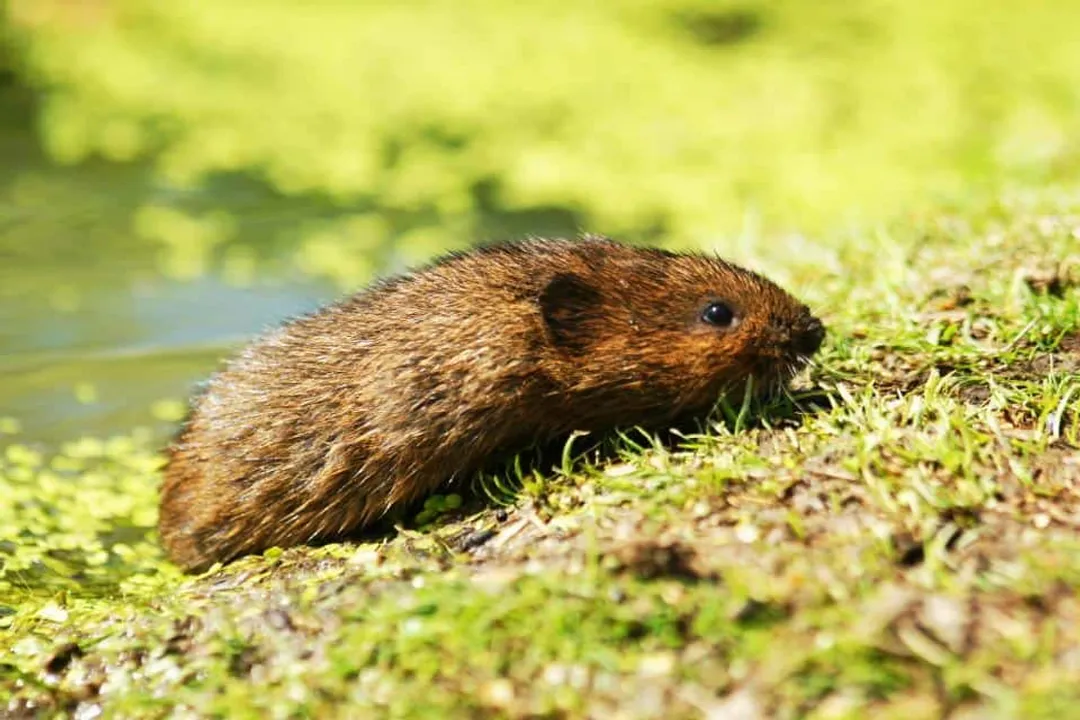
The foundation of the vole diet, especially during the active growing season, consists of grasses and leafy vegetation. [1][2] They are voracious grazers, and while they favor the tender, new growth, they will consume almost any available green material. [8] This includes lawn grasses, clovers, alfalfa, and the seedlings of various garden vegetables and flowers. [1][2]
Beyond the above-ground growth, voles also consume seeds and fruits when they are in season. [4][5] For many species, the consumption rate is quite high, meaning they must feed frequently throughout the day to meet their metabolic needs. [8] In areas with lush, consistent vegetation, such as an unmanaged lawn or field, their presence might be noted only by the superficial grazing damage or the network of trails they create, rather than the total destruction of established plants.
# Subterranean Feeds
While surface feeding is visible, a significant portion of a vole's diet often comes from beneath the soil, particularly when considering species like the pine vole. [4] These underground portions of plants—the roots, tubers, and bulbs—are crucial food sources. [2][8]
When voles target the underground storage organs of plants, the damage is often more definitive than surface grazing. If a vole severs the primary roots of a mature plant or consumes the central bulb of a tulip or iris, the entire plant will perish, often without the gardener realizing the culprit was a small mammal rather than a disease or simple transplant failure. [8] This subterranean activity is closely linked to their tunneling behavior; they are not simply randomly digging, but often creating networks that give them direct, protected access to these energy-rich food caches. [4]
# Seasonal Eating
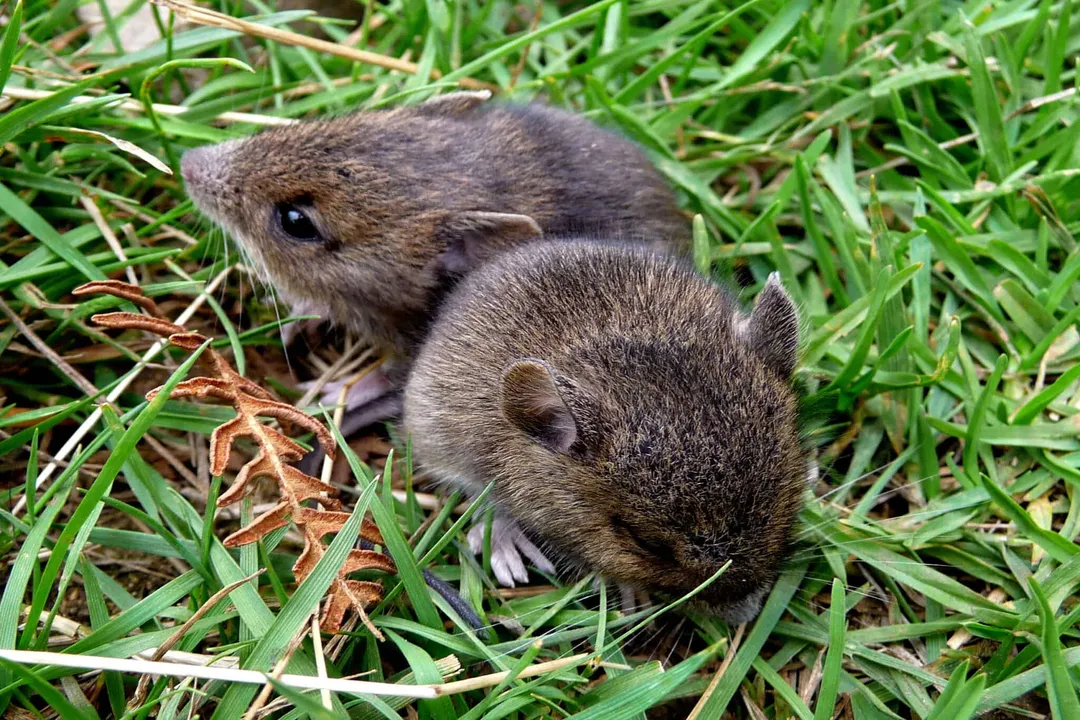
The most important factor dictating what a vole eats at any given moment is the availability of fresh forage, which leads to distinct seasonal shifts in their menu. [1][8]
During the warmer months, when grass is green and abundant, voles subsist primarily on surface vegetation, as this requires the least effort to obtain. [1] However, as autumn progresses and temperatures drop, the availability of soft, green material decreases significantly.
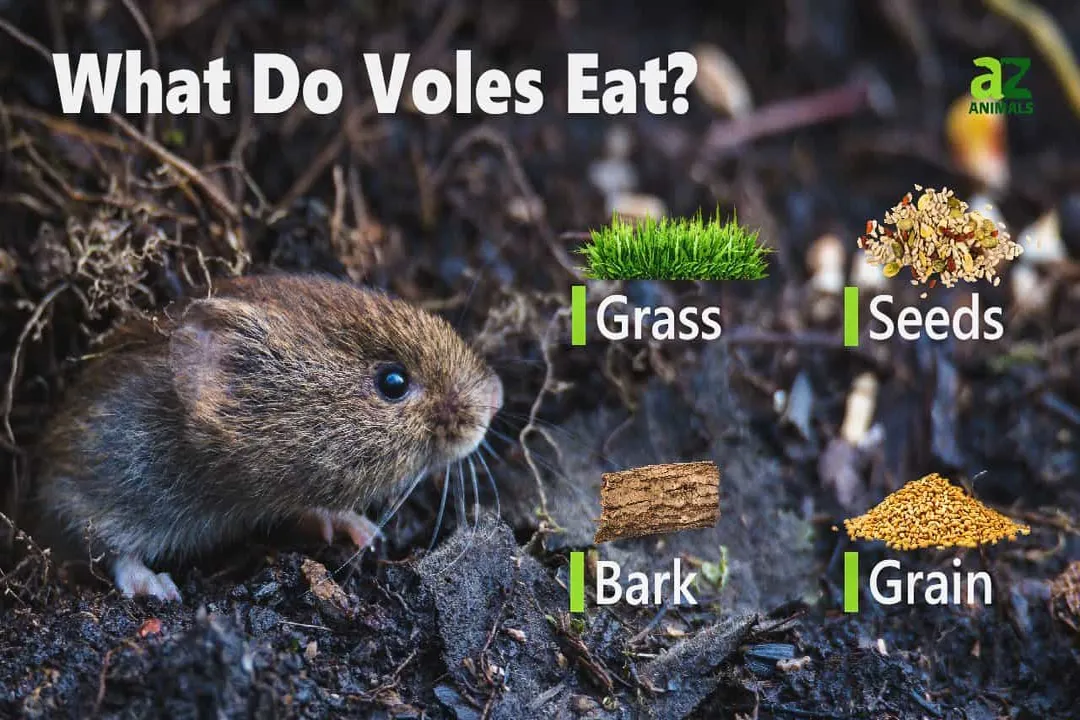
This scarcity forces a dietary switch to tougher, more durable food items. [8] In winter, voles rely heavily on stored vegetation, woody materials, and subsurface items. They will gnaw on the bark and roots of woody plants, including young trees, shrubs, and fruit trees, often girdling the base of the plant right at or just below the soil line. [1][8] This behavior is not opportunistic; it is a necessary survival strategy when surface grazing is no longer an option. A homeowner managing a yard in a region with harsh winters must recognize that the threat shifts from chewing on grass blades to potentially killing established landscape specimens through bark removal. [8] Thinking about the energy density required for survival when digging through frozen ground, it makes sense that they target the concentrated energy of bulbs and bark during this lean period, even if it means more exertion than simply clipping a blade of grass.
# Dietary Variances
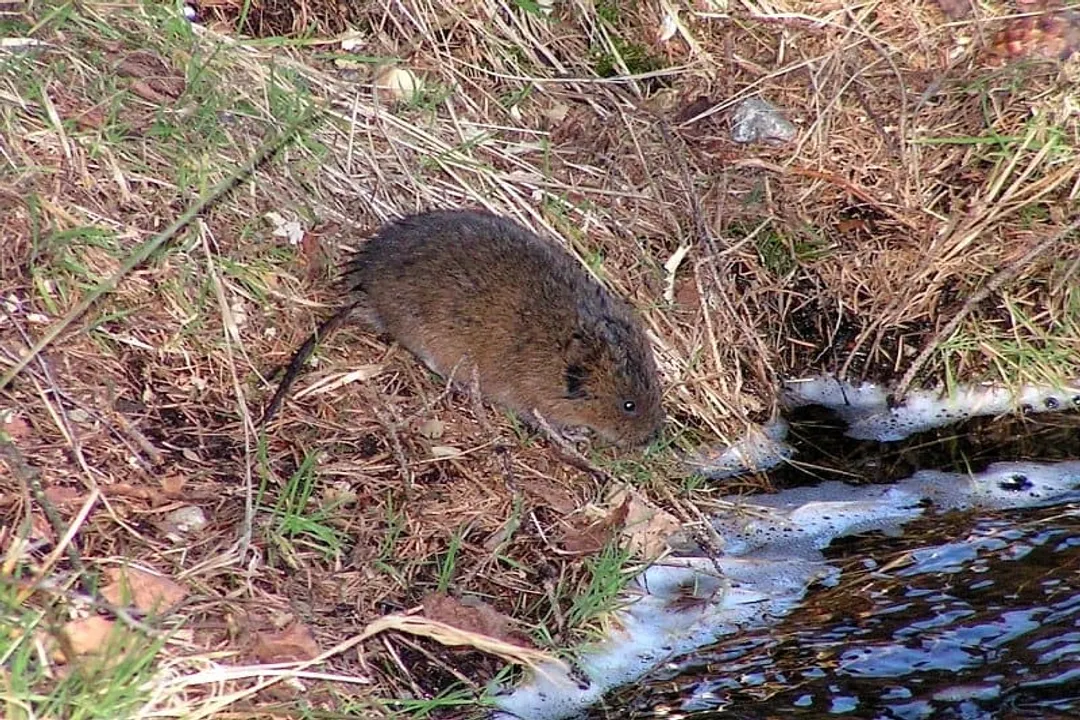
While the general description covers most voles, subtle differences exist between common types, which can influence where you find the most intense damage. [4] For example, meadow voles (also called field mice) tend to be heavily biased toward above-ground vegetation, favoring grasses and seeds. [4]
In contrast, pine voles often show a stronger preference for subterranean foods, consuming a greater proportion of roots and tubers, which means they might cause more subtle, systemic damage to established plantings rather than just tearing up the lawn surface. [4] When dealing with pest control or garden protection, recognizing which type of vole might be dominant in a specific area—one with dense grass versus one with heavy perennial beds—could slightly inform the placement of protective measures.
# Landscape Impact
The cumulative effect of these dietary preferences translates directly into visible damage across a property. [1] The consumption of grasses leads to the characteristic, meandering tunnels often seen in turf areas. The consumption of seeds and seedlings affects ground cover regeneration. [1]
The most serious damage, however, stems from their winter diet involving woody plants. When voles chew the bark completely around the circumference of a small tree or shrub—a process called girdling—they sever the plant's vascular system, stopping the flow of nutrients between the roots and the leaves. [1][8] This can lead to the death of the entire woody plant the following spring, an outcome far more devastating than simple grazing damage.
Considering how frequently voles must eat to maintain their small body mass, even a small, established population can clear a surprising amount of vegetation quickly. If you have a dense area of desirable, easy-to-access food—like a patch of sweet clover or a collection of newly planted spring bulbs—a single vole family can severely deplete that resource within a matter of days during peak feeding times, far faster than one might assume based on observing one or two individuals at a time. This rapid consumption means that damage assessment needs to be frequent, especially when food sources are newly available or suddenly scarce.
In summary, the vole diet is a story of seasonal adaptation, driven by the necessity of a strictly herbivorous diet in the face of changing weather. They are opportunists, favoring easy-to-access green matter when available, but possessing the necessary drive and adaptations to switch to tough bark and hidden roots when winter forces them underground or into tight cover. [1][8]
Related Questions
#Citations
Diet: What Do Voles Eat? - Critter Control
What Do Voles Eat? 15+ Foods These Rodents Consume
Facts About Voles | Vole Facts | Havahart®
Nutrient Requirements of the Vole - NCBI - NIH
What Do Voles Eat? - Burrowing Pests - Thanos Home Forums
What are your Voles favorite foods? - Reddit
Vole | Description, Types, Rodent Behavior, Habitat, Diet, & Facts
Voles (Meadow Mice) - UC IPM
Vole - Wikipedia