What causes the seasonal shift in the diet of voles from green vegetation to bark and roots?
Answer
The scarcity of soft green material during autumn and winter
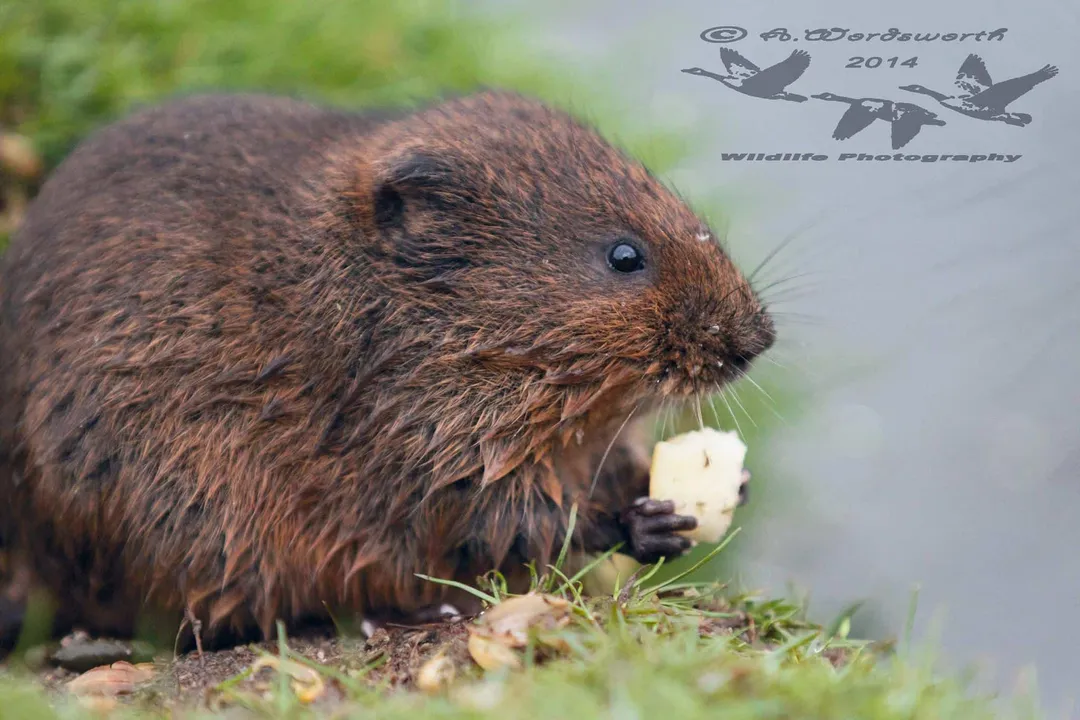
Voles are opportunists that prioritize easy-to-access green matter whenever it is available during the warmer months. As temperatures drop and autumn progresses, this preferred soft vegetation becomes scarce. This environmental change forces the voles to adapt their feeding strategy. To survive the lean winter period, they must switch to tougher, more durable food items like woody bark and subsurface items, which require more exertion to obtain but provide the necessary energy density to survive cold conditions.
Related Questions
What is the primary dietary classification of voles based on their feeding habits?What specific behavior results in the death of woody plants due to vole activity?Which plant parts do pine voles specifically target more frequently than meadow voles?What causes the seasonal shift in the diet of voles from green vegetation to bark and roots?Why must voles feed frequently throughout the day?What is the primary function of the tunneling behavior of voles in relation to their diet?Why is vole damage to subterranean plant parts often mistaken for disease?During the active growing season, what is the preferred food source for voles?How does the consumption rate of a single vole family impact a garden during peak feeding times?What characteristic of meadow voles distinguishes their feeding behavior?