What characteristic of holding the lower jaw must anglers be mindful of to protect delicate jaw tissues?
Answer
Applying even pressure across the bone structure
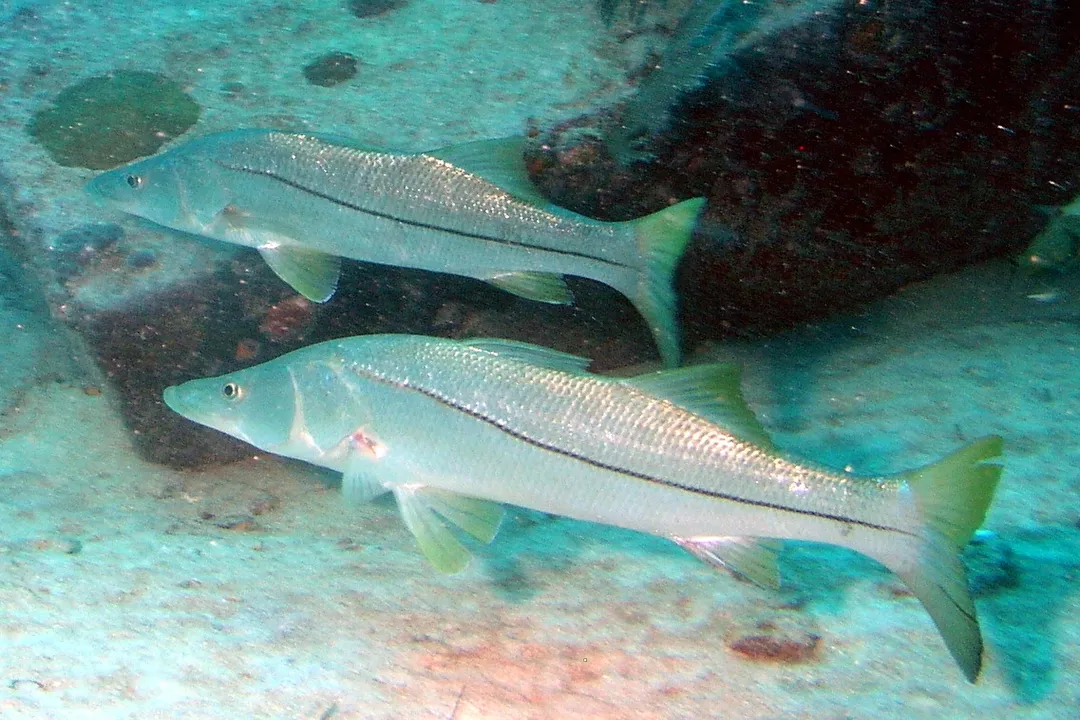
When employing the common holding technique where pressure is applied directly to the lower jaw of a snook, careful technique is necessary due to the lining inside the mouth. Because the interior surfaces are armed with rough, sandpaper-like structures, applying uneven or excessive pressure against the bone structure can easily abrade the delicate tissues that line the jaw structure. Therefore, if this grip is necessary, it must be applied evenly across the supportive bone framework to prevent tearing or scraping the soft internal lining when the fish struggles against the hold.
Related Questions
How many rows of teeth does the common snook's upper jaw (maxilla) typically possess?What texture best describes the general structure of the common snook's rasp-like dentition?What is the specialized purpose of the snook's small, rasping teeth in its predatory toolkit?How many rows of teeth does the lower jaw (mandible) of a common snook generally hold?What specific type of injury do the rasping surfaces of the snook's mouth present when handling the fish?Besides small fish, what other common food items does the generalist predator diet of the snook readily include?Unlike some predators, what common cutting tool are the snook's teeth explicitly described as NOT resembling?What specialized handling tool is recommended for anglers practicing catch-and-release with snook?What characteristic of holding the lower jaw must anglers be mindful of to protect delicate jaw tissues?How does the dental development of juvenile snook compare to adults inhabiting coastal estuaries?