Do longnose gar have teeth?
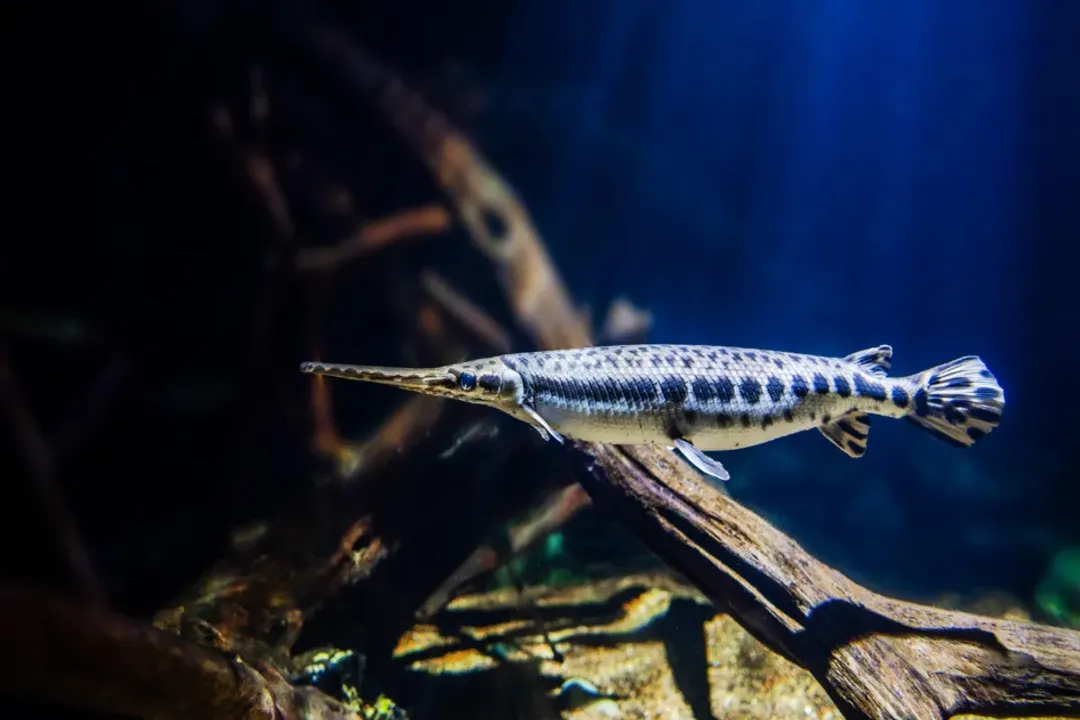
The very first thing that strikes anyone encountering a longnose gar (Lepisosteus osseus) is its formidable, elongated jawline, which immediately raises questions about its armament. It is not a fish known for subtlety, possessing an ancient, torpedo-shaped body covered in armor-like scales. To directly address the prominent query regarding their dental assets: yes, the longnose gar absolutely has teeth, and they are a defining feature of this "living dinosaur". These fish are equipped with a substantial set of dentition housed within that characteristic, needle-like snout.
# Snout Structure
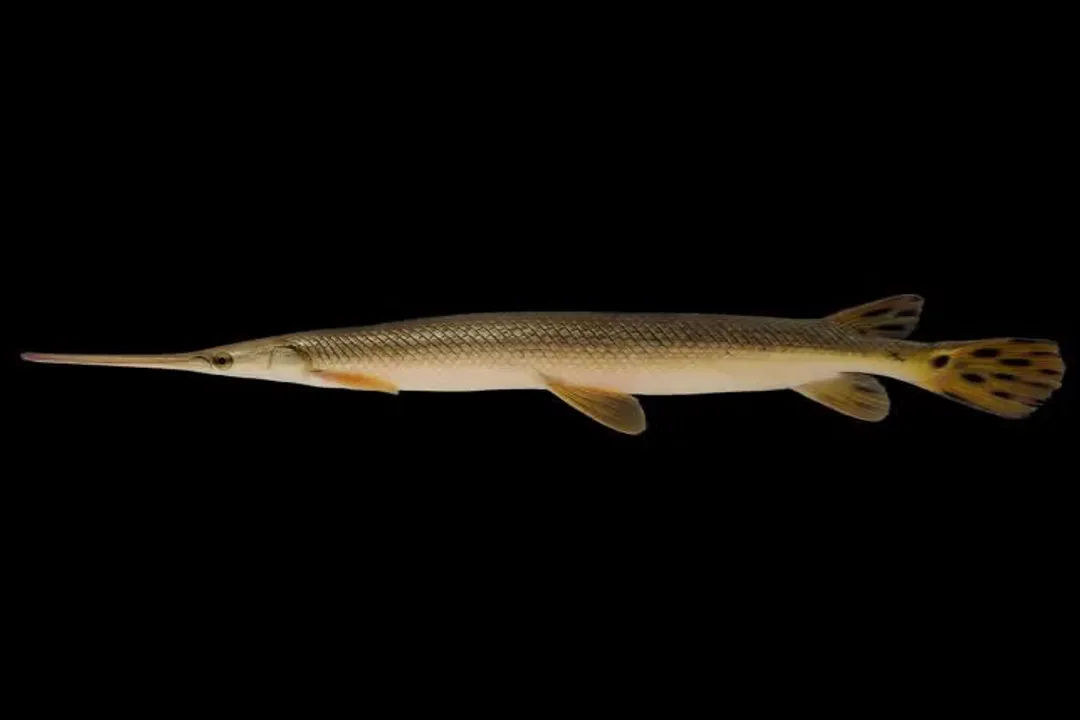
The namesake of the species, the longnose gar’s snout, is remarkable for its length and structure. This rostrum is often described as being nearly twice the length of the rest of the head, or in some assessments, almost three times the head’s length. It is not just a long piece of bone; it is the primary vehicle for its hunting strategy and houses its weaponry. While the bony material itself provides an almost inflexible sheath protecting the fish, it is what fills that elongated space that concerns potential encounters.
# Dental Arrangement
The interior of this elongated jaw is densely packed with teeth. Specifically, the longnose gar possesses a single row of long, sharp, villiform teeth on each side of the upper jaw. Other descriptions confirm the presence of sharp, cone-shaped teeth or simply razor-sharp teeth. Unlike some fish whose teeth are designed for crushing or grinding, the gar’s teeth serve a singular purpose: securing the prey. They are numerous and needle-like, engineered to prevent any slippery victim from escaping the moment it is caught. It is this specific arrangement—a single line of long, sharp implements—that differentiates the longnose gar from the alligator gar, which has a different tooth configuration.
Thinking about the mechanics of this setup, it becomes apparent why the longnose gar is rarely caught intentionally by standard hook-and-line methods. Those long, sharp teeth, while fantastic for impaling a minnow darting past, are not built for easily grasping a curved piece of metal or a soft lure. The hard, bony jaws themselves also resist taking a hook properly, suggesting that specialized gear, perhaps resembling the frayed rope lures sometimes mentioned, is necessary to secure one reliably. This structural efficiency highlights an evolutionary path focused purely on capture, not chewing.
# Hunting Technique
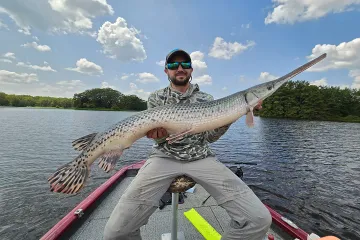
The teeth dictate the feeding method. Longnose gar are classic ambush predators, often remaining motionless, looking much like a drifting log or stick. They frequently position themselves near the water's surface, patiently awaiting prey. When a suitable target—often small fish, crustaceans, or insects—comes into range, the gar executes a sudden lunge.
The primary action involves using that long snout to thrash the head rapidly from side to side, effectively impalement rather than grasping the prey directly in the center of the mouth. The numerous sharp teeth ensure the prey, once struck, cannot slip free. After the victim is sufficiently secured, the gar maneuvers it into position to be swallowed whole, always headfirst. A curious detail noted by observers is that despite their fearsome dental display, longnose gar cannot actually open their mouths extremely wide. This limitation is another factor pushing their diet toward smaller organisms like minnows and juvenile panfish, rather than large sport fish they might be unfairly accused of targeting.
# Armor Scales
Beyond their jaws, the rest of the gar’s anatomy speaks to its ancient lineage. Gars are a primitive group of bony fish that have persisted for over 100 million years. Their defense mechanism is their hide. They are covered in thick, overlapping rhomboidal ganoid scales. These scales interlock to form a virtual suit of armor, composed of an outer layer of ganoin and an inner layer of isopedine, both penetrated by blood vessels. This robust, nearly inflexible sheath leaves the adult fish with very few natural predators other than humans.
# Air Breathing
Another primitive, yet highly effective, adaptation is the gar’s ability to breathe atmospheric air. Their swim bladder is connected to the esophagus, functioning like a primitive lung. This means they can periodically swim to the surface and gulp air, allowing them to survive in waters that are sluggish, warm, or severely low in dissolved oxygen where other fish might perish. This capability allows them to inhabit environments that might otherwise be considered inhospitable or stagnant for common game fish.
# Ecosystem Role
While sometimes viewed as a nuisance competing with more "desirable" sport fish, the longnose gar serves an important ecological function. As an apex predator in many systems, they help regulate fish populations, preventing certain species from overpopulating a habitat, which contributes to overall ecosystem balance. Their diet, while sometimes shifting based on availability, generally consists of numerous fish species. For example, in some areas, their primary food sources are gizzard shad or bullhead catfish, showing they target abundant, sometimes less desirable, species. Understanding that their specialized teeth only allow for the capture of prey they can impale and swallow—like smaller fish—should adjust the perception of them as active threats to mature, large sport fish populations. The danger they pose to humans is limited to cuts or lacerations from handling them due to those sharp teeth, and their eggs are known to be poisonous.
Related Questions
#Citations
Longnose Gar – Discover Fishes - Florida Museum of Natural History
Longnose Gar - National Aquarium
Longnose gar - Wikipedia
Longnose Gar | Vermont Fish & Wildlife Department
Longnose Gar - Missouri Department of Conservation