Do common snook have teeth?
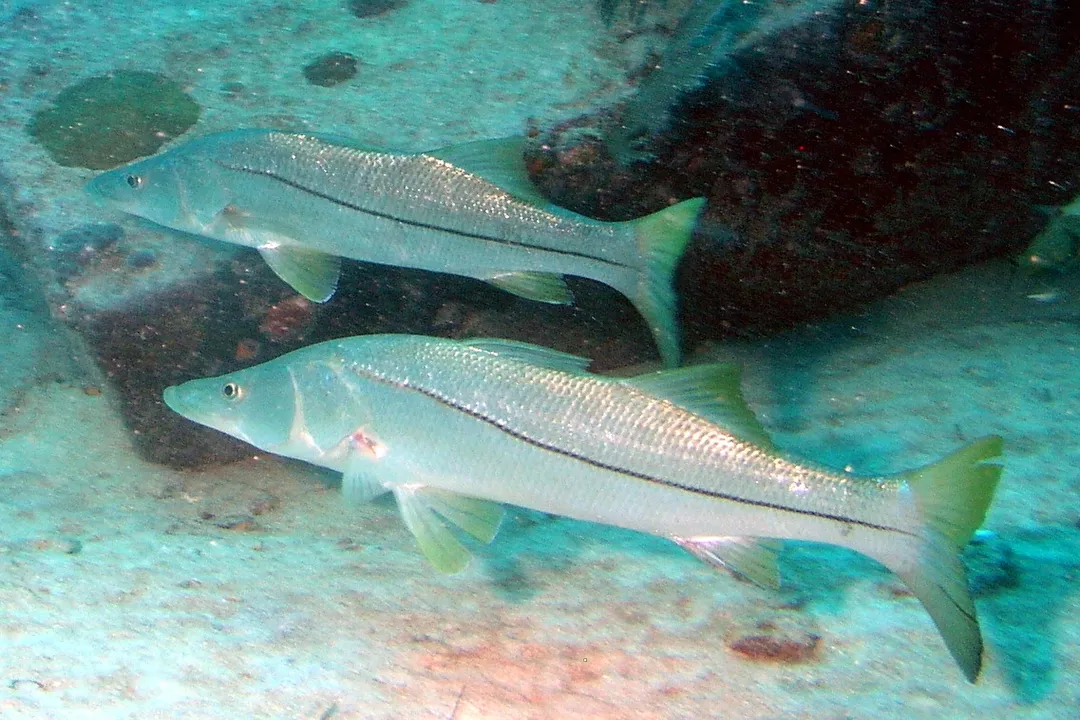
The common snook, that iconic game fish of warm coastal waters, often prompts questions regarding its predatory nature, and a primary curiosity centers on its dental setup. The short answer is indeed affirmative: common snook possess teeth. However, these are not the large, conical, dagger-like teeth one might associate with top-tier oceanic predators. Instead, the configuration and texture of a snook's teeth are perfectly tuned to its specific feeding strategy, primarily involving securing smaller, often slippery, prey items.
# Mouth Configuration
A closer examination of the snook's oral anatomy reveals a sophisticated structure designed for capture and retention. Snook are equipped with teeth on both the upper and lower jaws. Specifically, scientific descriptions note that the upper jaw (maxilla) typically sports two rows of teeth, while the lower jaw (mandible) generally holds just one row. This arrangement provides an extensive array of gripping surfaces within the mouth cavity.
The general structure is described consistently across several sources as being comprised of small and rough teeth. Another accurate descriptor used is rasp-like. This texture is key to understanding their function. If you were to run your finger (cautiously, in theory) across the inner surface of a snook's mouth, you would feel a surface more akin to fine sandpaper than a collection of distinct spikes. The fact that they possess these two sets of opposing jaws, both armed with this rough dentition, indicates an evolutionary preference for securing prey through friction and a strong grasp rather than relying solely on piercing power. This dual-jaw system, coupled with the abrasive surfaces, allows the fish to effectively ambush and hold fast to its target once the strike is made.
# Predatory Tools
The nature of these teeth dictates the type of diet the common snook sustains. Snook are recognized as carnivores and generalist predators. Their primary food source consists overwhelmingly of small fish, which they often ambush in shallow water or near structure.
However, their diet is not limited strictly to swimming organisms. They readily consume crustaceans like shrimp and crabs when the opportunity arises. It's in the pursuit of these varied, often fast-moving, and sometimes hard-shelled items that the small, rasping teeth prove their worth. They are not built for shearing or tearing large flesh; rather, they are specialized for immobilization. Think of it less like a serrated steak knife and more like a high-friction clamp. This specialization means that while they are undeniably hunters, their dental apparatus is optimized for retention in a dynamic environment, where a missed grip or a slippery scale could mean the loss of a meal.
When considering the size difference between a massive adult snook and the tiny prey it consumes, the efficiency of this dental structure becomes apparent. An angler familiar with live bait knows that even small mullet or pilchards can be surprisingly difficult to keep hold of once engulfed by a hard-striking predator; the snook’s teeth create a surface that prevents this escape once the initial engulfing action—the famous "snook suck"—is complete.
# Angler Interaction and Safety
For recreational anglers, understanding the presence and texture of snook teeth translates directly into handling protocols, both for personal safety and the well-being of the fish itself, especially in catch-and-release scenarios. While the teeth are not large or sharp enough to inflict serious, deep lacerations on a person, the roughness presents its own hazard.
When you must handle a hooked snook, particularly when attempting a hook removal or positioning it for a photograph, you must treat the mouth area with caution. The rasping surfaces can easily scrape skin, causing painful abrasions that are sometimes more irritating than a clean puncture wound because of the large surface area contacting the skin. This abrasion is significantly more likely if the fish thrashes while being held incorrectly.
If you are practicing strict catch-and-release, especially with trophy-sized fish, a mindful approach to mouth handling is paramount to minimize stress and physical harm to the animal. Because the interior of the mouth is lined with these rough structures, it's advisable to use long-nosed pliers or specialized dehooking tools, minimizing the need to insert fingers deep into the mouth cavity. Furthermore, any pressure applied directly to the lower jaw—a common holding technique—must be done evenly across the bone structure. The sandpaper-like interior can easily abrade the delicate tissues lining the jaw if the fish struggles against the grip. A quick, firm grip that supports the fish’s entire body weight, allowing the mouth to remain relatively unmanipulated unless necessary for dehooking, is often the best practice when dealing with fish that possess this abrasive dentition. This shows respect both for the gear and the game fish itself.
# Snook Life Stages
It is also worth noting that the development of these dental features coincides with the maturation of the fish and its dietary shift. Juvenile snook, when they are much smaller and often inhabiting brackish or freshwater environments, have mouths perfectly sized for the tiny invertebrates and fry available to them. As they grow, their mouth size scales up, and their feeding habits broaden, allowing them to target larger baitfish, which necessitates the fully developed dual-jaw, rasp-like system found in the adults inhabiting coastal estuaries and the nearshore ocean. This continuous adaptation throughout their life cycle ensures that the common snook remains an efficient predator across various habitats and prey sizes available to it in its range spanning from North Carolina down to Brazil. The effectiveness of the tooth structure, irrespective of the fish's size, underscores its importance to the species' overall survival strategy.
Related Questions
#Citations
Common snook - Canvas of the Wild
Common Snook - Pro Angler
Snook Fishing - Florida Sportsman
Centropomus undecimalis (Common snook) - Animal Diversity Web
Centropomus undecimalis - NCFishes.com
Snook Fishing in Florida is Fishing Capital of Snook - iOutdoors
Common snook - Wikipedia
Flats Fishing Charters on Biscayne Bay - Miami Florida: Snook