What is the most common cause of death in Italian Greyhounds?
The loss of an Italian Greyhound, especially when it happens suddenly, is a deeply distressing experience for any owner who cherishes these elegant, sensitive companions. Owners frequently seek answers regarding what dangers lurk beneath their slender frames, trying to pinpoint the most common culprit behind unexpected farewells in this unique breed. While statistics can be hard to pin down universally across all greyhound types, looking closely at reported health crises within the breed reveals a few conditions that stand out, often leading to fatal outcomes far too soon. [4][6]
# Sudden Fatality
When discussing sudden death in Italian Greyhounds, one specific, alarming condition surfaces repeatedly in owner testimonials and veterinary discussions: Idiopathic Thrombocytopenic Purpura (ITP). [1][3][8] ITP is not typically something that manifests slowly; it can present with little warning, making the outcome devastatingly rapid. [2]
# Understanding ITP
Thrombocytopenia refers to an abnormally low count of platelets in the blood, which are the crucial components responsible for clotting. [3][8] When the platelet count drops too low, the dog loses its ability to effectively stop bleeding, leading to potentially fatal internal hemorrhaging. [3] The "Idiopathic" designation means the exact cause is unknown, though it is often believed to be an autoimmune response where the body mistakenly attacks and destroys its own platelets. [3][8]
Reports from owners who have faced this tragedy paint a harrowing picture. A dog might seem perfectly fine one day, only to show sudden signs of distress or even collapse due to internal bleeding. [2][3] Visible signs, though sometimes subtle until a crisis hits, can include tiny red or purple spots on the skin or gums (petechiae), excessive bruising, or nosebleeds. [3] In cases where the death is sudden, the underlying hemorrhage may have been internal and undetected. [1][8] For an Italian Greyhound, which can be delicate to begin with, a sudden drop in clotting ability presents an immediate, life-threatening emergency. [2][6]
While ITP can affect any dog, its recurring mention in relation to sudden, tragic loss in the Italian Greyhound community suggests a predisposition or heightened vulnerability within the breed that warrants increased awareness from their caretakers. [3][8] This underlines the importance of not dismissing signs of easy bruising or bleeding, no matter how slight they may appear.
# Fragile Frame Risks
Beyond acute blood disorders, the very structure of the Italian Greyhound presents another area of concern regarding longevity and quality of life: their slender, fine-boned physique. [6][7] This delicacy makes them prone to specific orthopedic challenges that, while perhaps not the most common cause of sudden death like ITP, are undeniably the most common health issues they face. [4][6]
# Bone Integrity
Italian Greyhounds possess legs that are beautifully refined and long relative to their body size, but this structure inherently means their bones are more fragile than those of sturdier breeds. [6] This susceptibility means that seemingly minor accidents—a jump off furniture that lands awkwardly, a slip on a slick floor, or rough play—can result in serious fractures. [6][7] While a fracture itself isn't always fatal, complications arising from severe breaks, the extensive surgery required, or the difficulty of recovery in such an active, slender dog can severely compromise their well-being. Furthermore, complications during anesthesia for setting a break introduce another layer of risk, which is always a concern with this breed. [7]
# Joint Instability
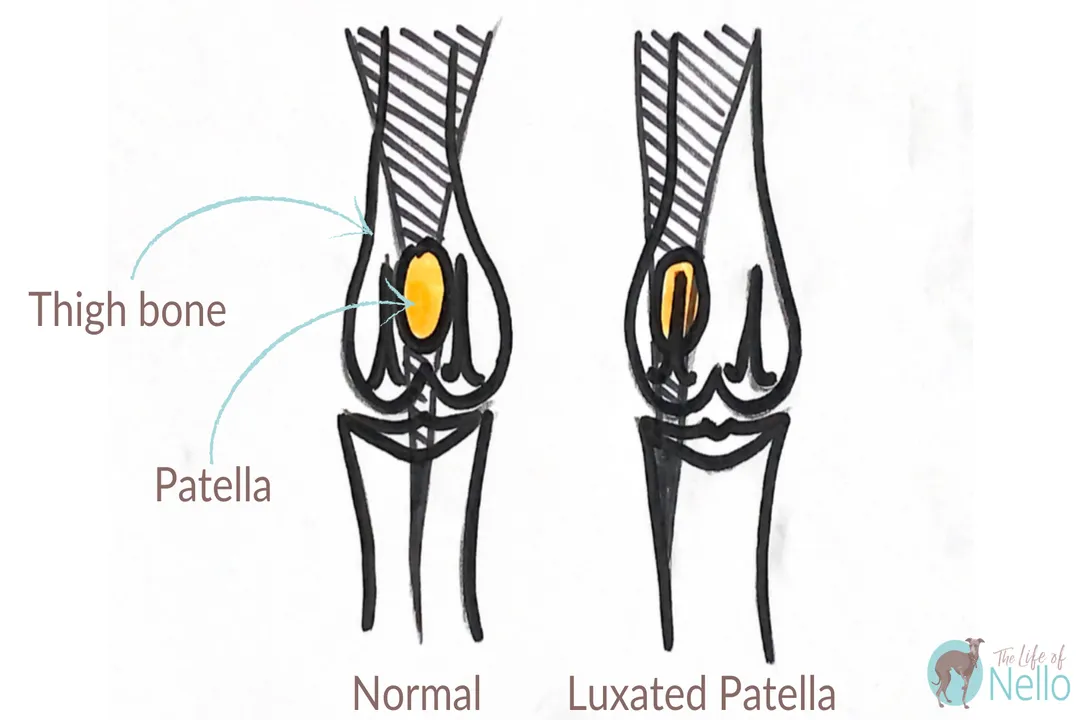
Another common orthopedic problem frequently noted in the breed is luxating patella, or a dislocating kneecap. [6] This condition causes an intermittent, skipping gait where the kneecap slips out of its groove, causing momentary lameness that can sometimes correct itself. [4][6] While often manageable through surgery or physical therapy, chronic instability can lead to pain, arthritis, and changes in gait that increase the risk of secondary injuries like tendon or ligament strains, subtly impacting overall physical health over time. [7]
Considering the inherent fragility, proactive environmental management becomes a surprisingly important part of preventative care. For owners of IGs, thinking about their living space as an obstacle course to be softened is key. Installing carpeting or yoga mats on hardwood or tile floors throughout the main living areas dramatically reduces the chance of a slip-and-fall leading to a catastrophic break. Furthermore, securing or blocking off access to high furniture ensures that the dog cannot misjudge a jump, which is an easy mistake for an enthusiastic youngster to make. [6]

# Anesthesia Sensitivity
A concern that often overlaps with necessary surgical interventions—whether for orthopedic repair or addressing other issues—is the Italian Greyhound’s noted sensitivity to anesthetic agents. [7] Like many sighthounds, they often have a higher percentage of lean body mass compared to fatty tissue, which can affect how they metabolize drugs used for induction and maintenance during surgery. [7]
This heightened sensitivity means that any procedure requiring general anesthesia, even a routine dental cleaning or a fracture repair, carries a slightly elevated risk compared to hardier breeds. Vets familiar with sighthounds will use specific protocols, often favoring certain drug types and administering lower doses, but this remains a significant consideration for owners facing any necessary surgery. Understanding this predisposition ensures you partner with a veterinarian who is aware of sighthound anesthesia protocols or is willing to consult with specialists on dosing for such a fine-boned patient. [7]
# Systemic Health Issues
While ITP speaks to sudden death and fractures speak to physical risk, several other systemic health concerns are prevalent enough in the Italian Greyhound population to warrant consistent attention from owners. Addressing these issues is critical for maximizing the length and quality of life, even if they are less frequently cited as the immediate cause of sudden, unexpected death. [4][6]
# Neurological Concerns
Epilepsy is reported as a recurring issue in the breed. [4][7] Canine epilepsy involves recurrent, unprovoked seizures, which can range from mild and infrequent to severe and cluster-like. While many dogs with epilepsy live long lives managed by medication, severe, uncontrolled seizures certainly pose a risk to overall health and can lead to secondary complications. [4] Owners need to be diligent in monitoring seizure activity and adhering strictly to prescribed anti-epileptic drug regimens.
# Dental Disease
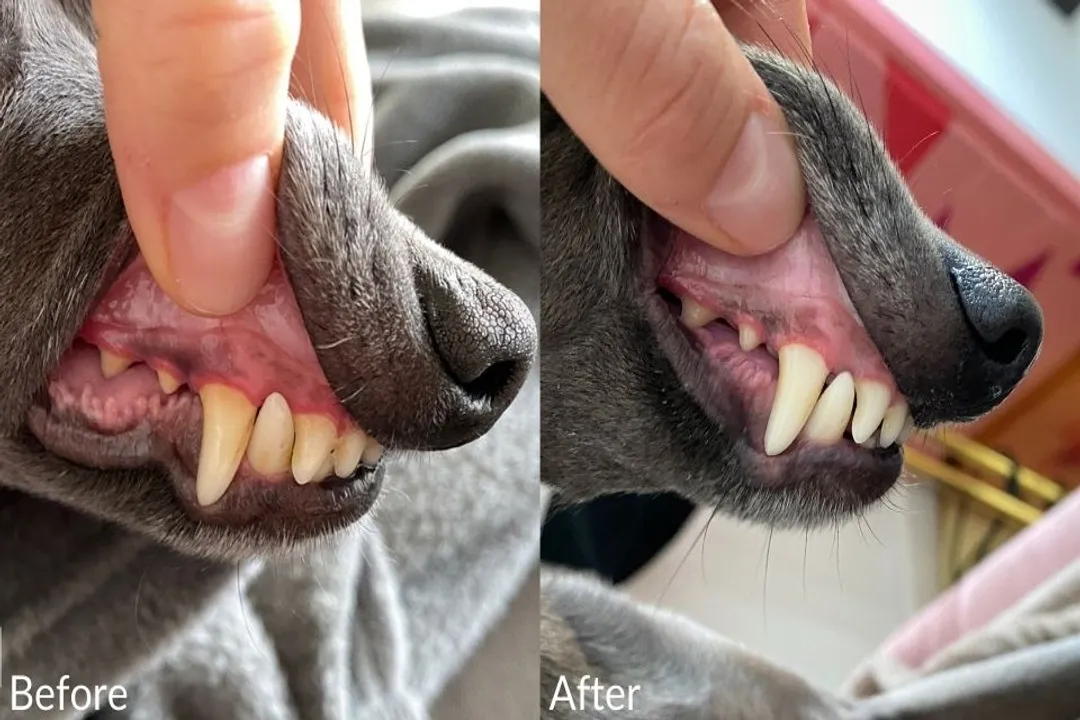
Dental health is often overlooked but is a significant factor in the overall longevity of smaller breeds, including the Italian Greyhound. [6] Their small jaws often result in crowded teeth, leading to rapid tartar buildup, gum disease (periodontal disease), and subsequent tooth loss. [7] This oral infection can, over years, lead to systemic inflammation, affecting the heart, kidneys, and liver. While not a cause of sudden death in the way ITP is, chronic, untreated dental disease undeniably shortens a dog's healthy lifespan. [6] For IGs, professional dental cleanings under anesthesia often become a routine necessity far earlier in life than for larger breeds.
# Eye Problems
Concerns related to vision are also documented within the breed's health profile. Progressive Retinal Atrophy (PRA), which slowly causes blindness, and cataracts, which cause clouding of the lens, are both seen in Italian Greyhounds. [4][6] While these conditions do not cause death, the resulting decreased environmental awareness can increase the risk of accidents, such as falls or misjudging hazards, which circles back to the danger of their fragile skeletal structure. [6]

# Proactive Screening
Given the mix of acute, life-threatening risks like ITP and chronic, quality-of-life risks like orthopedic and dental disease, a standard wellness schedule might not be entirely sufficient for an Italian Greyhound owner aiming for optimal longevity.
For instance, while all dogs need a yearly exam, an IG owner might benefit from building a relationship with a veterinarian willing to implement proactive, subclinical screening. This means looking for markers of disease before they become outwardly apparent. For a breed prone to ITP, while random testing isn't practical, vigilance for any signs of bruising is paramount. More practically, regular blood work, especially as the dog ages or before any procedure, should be standard, paying close attention to platelet counts even when the dog appears healthy, just to establish a personal baseline for that individual dog. [3]
Additionally, given the high risk of bone fracture, routine orthopedic check-ups that go beyond a simple walk-through—perhaps involving careful palpation or perhaps even baseline X-rays if a subtle limp has been noted—can catch minor misalignments or early signs of stress fractures before a catastrophic break occurs. [6] This level of heightened scrutiny, tailored to the breed's known weaknesses, moves beyond basic pet ownership into specialized care based on breed expertise. [4][7]
# Synthesis of Risk
To summarize the findings regarding the most common causes of death or severe crisis for Italian Greyhounds, we see a split between acute, often sudden, internal catastrophe and chronic, cumulative physical risks. Idiopathic Thrombocytopenic Purpura stands out as the primary documented cause of sudden, unexpected fatality based on owner reports and vet discussions surrounding acute collapse. [1][3][8] The disease strikes swiftly and often proves fatal due to uncontrolled hemorrhage. [3]
Conversely, the most common health management challenges revolve around their physical structure: bone fragility leading to fractures and joint instability like luxating patella. [6][7] While fractures often require immediate medical intervention, they highlight the structural vulnerability inherent to the breed standard.
For the dedicated owner, the takeaway is clear: attention must be paid to both the invisible threats (like platelet counts) and the very visible structural necessities of the breed. Managing a happy, long life with an Italian Greyhound requires acknowledging that they are not built for the same rough-and-tumble existence as a Labrador or a Bulldog. Their elegance comes with inherent maintenance requirements, making careful environmental control and close partnership with a knowledgeable veterinarian essential to navigate the specific health landscape they inhabit. [4]
Related Questions
#Citations
My Italian Greyhound died suddenly just after a few days of getting ...
Understanding Hemangiosarcoma in Italian Greyhounds - JustAnswer
My Italian Greyhound died suddenly from ITP (idiopathic ... - Reddit
Health - IGCA - Italian Greyhound Club of America
How the other - and that they live on average to 11.5yrs. - Facebook
10 Italian Greyhound Common Health Problems | Southern Cross Vet
10 Common Italian Greyhound Health Issues You Should Know About
[PDF] Causes of death in dogs in the province of Rome (Italy) - IZS